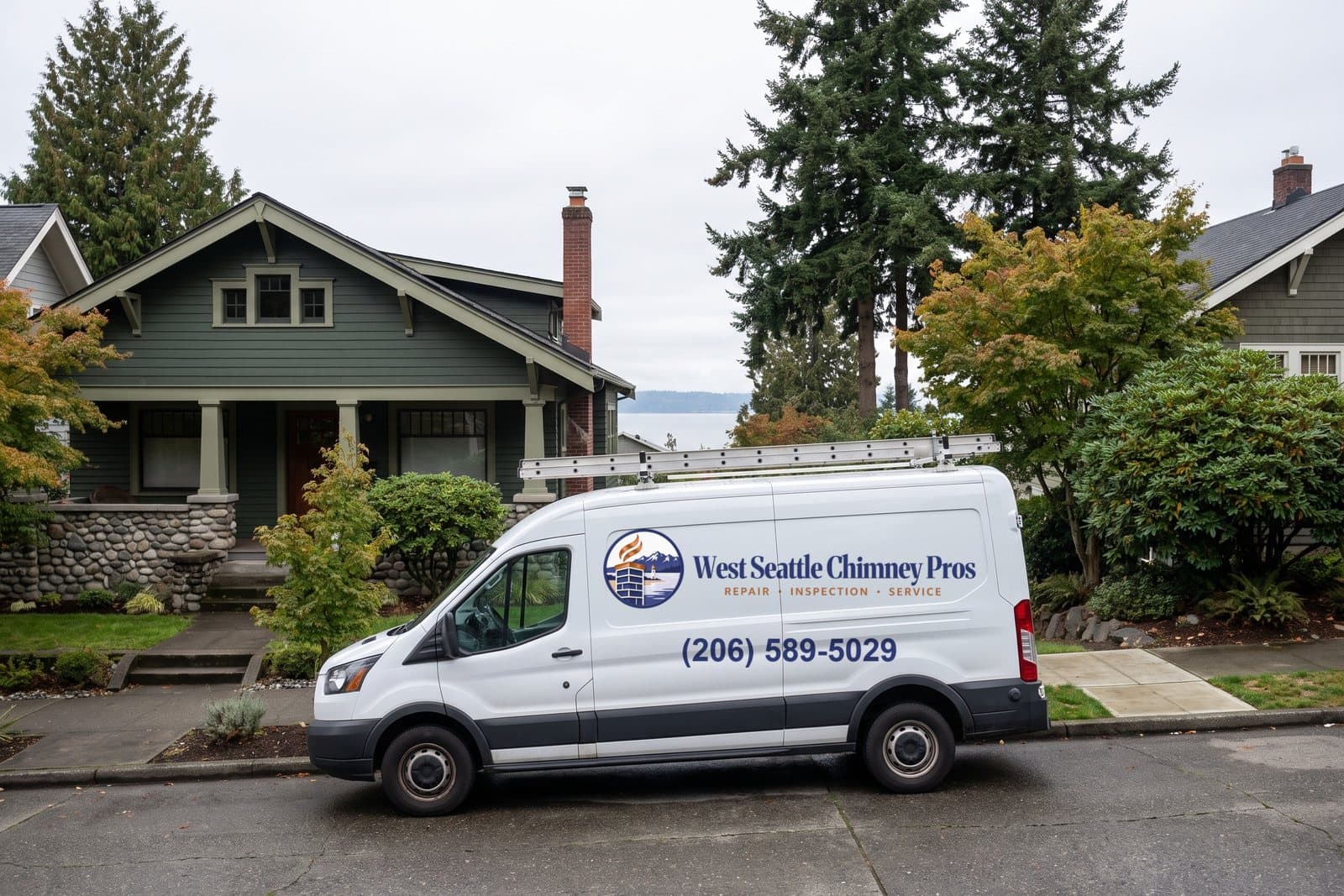
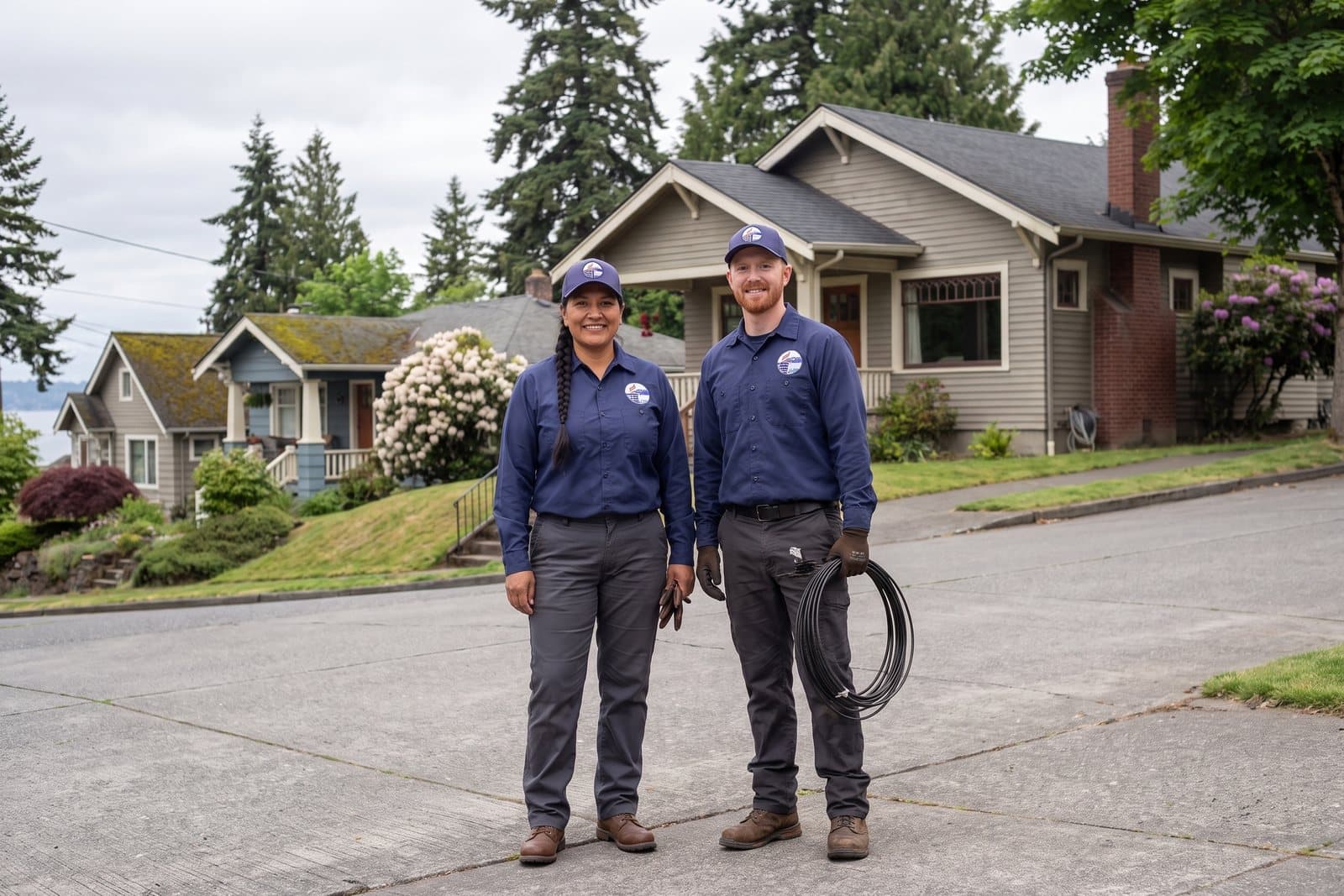
The Junction, King County
Relining a chimney in the Junction starts at $1,900. The new liner is a single run of stainless steel from the smoke chamber or appliance to the top, sized for what will burn below it. The total depends on height, diameter, whether the liner needs insulation, and how many offsets the old flue makes on its way up. We only put a number on paper after the camera has shown us the flue, because two chimneys that look alike from the street can need very different liners.
Typical investment
From $1,900
Book an inspection
Book your $99 inspection
$99 plus tax, deducted when you approve the repair
Not sure where to start
Pick what you're seeing at your The Junction home — we'll point you to the right fix.
What we do
The same crew, the same written quote — for The Junction homes.
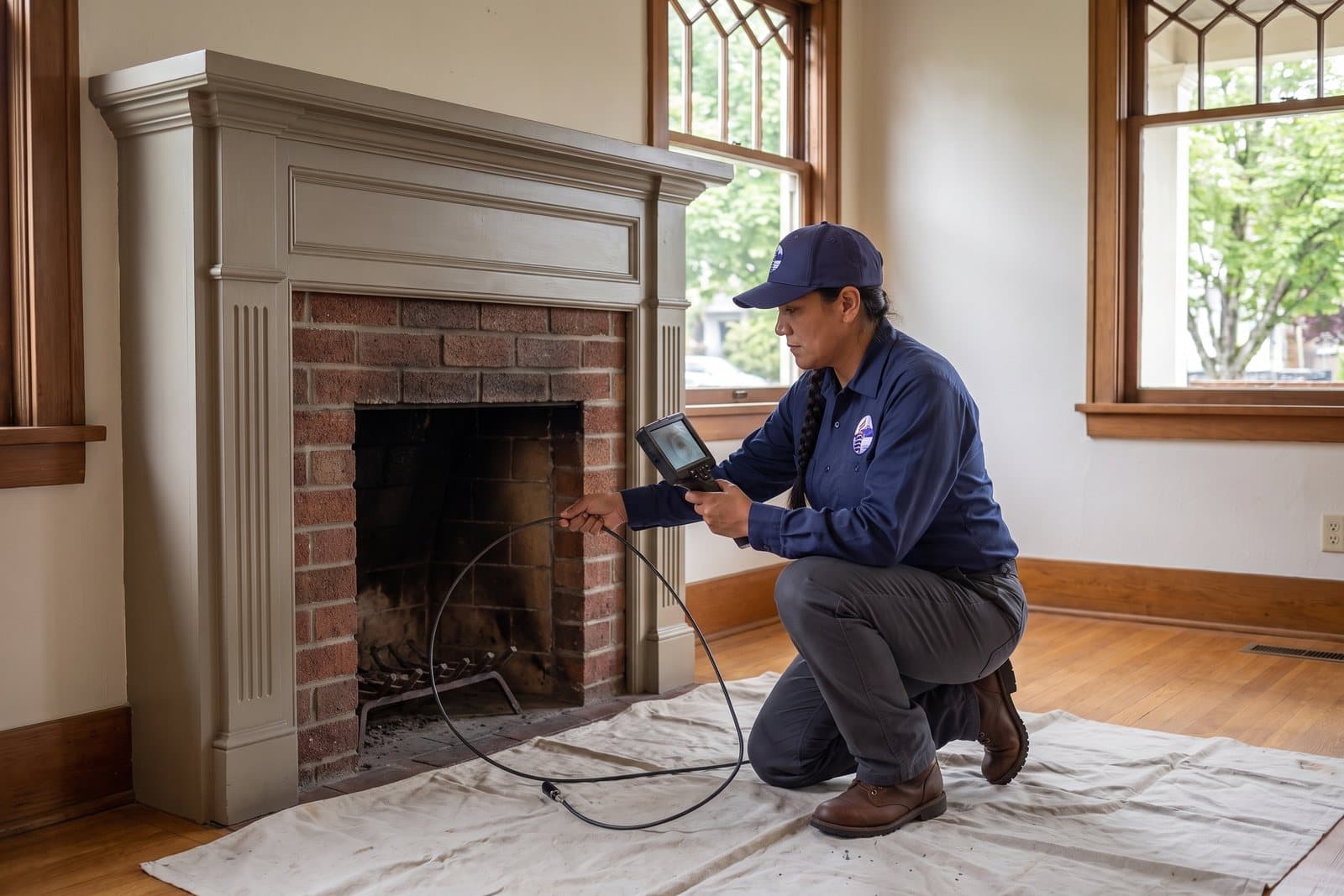
Level 1 examination of everything reachable, with a Level 2 camera pass when the reachable parts leave a question open
Learn more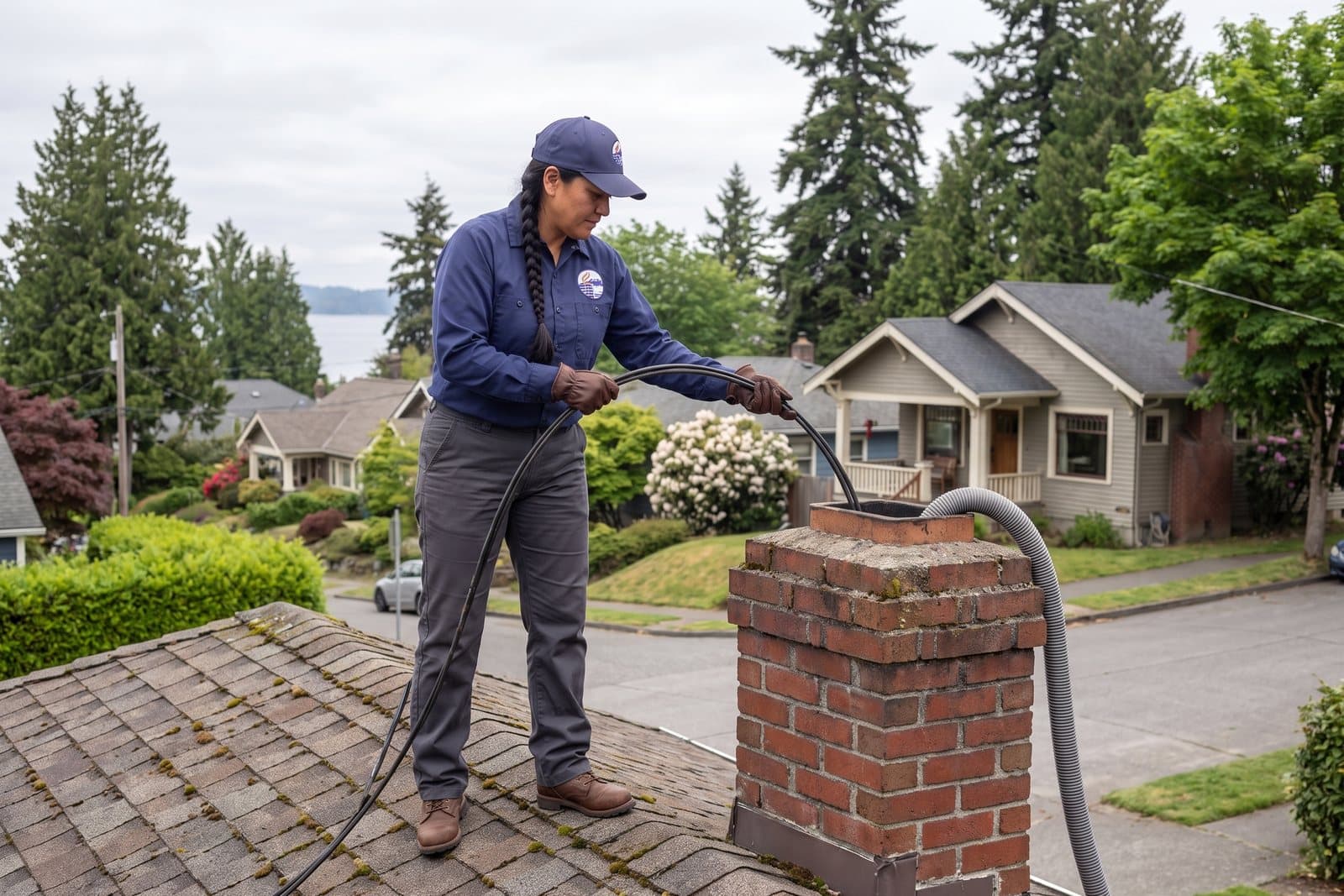
Full-height brushing of the flue with a head sized to its shape and material
Learn more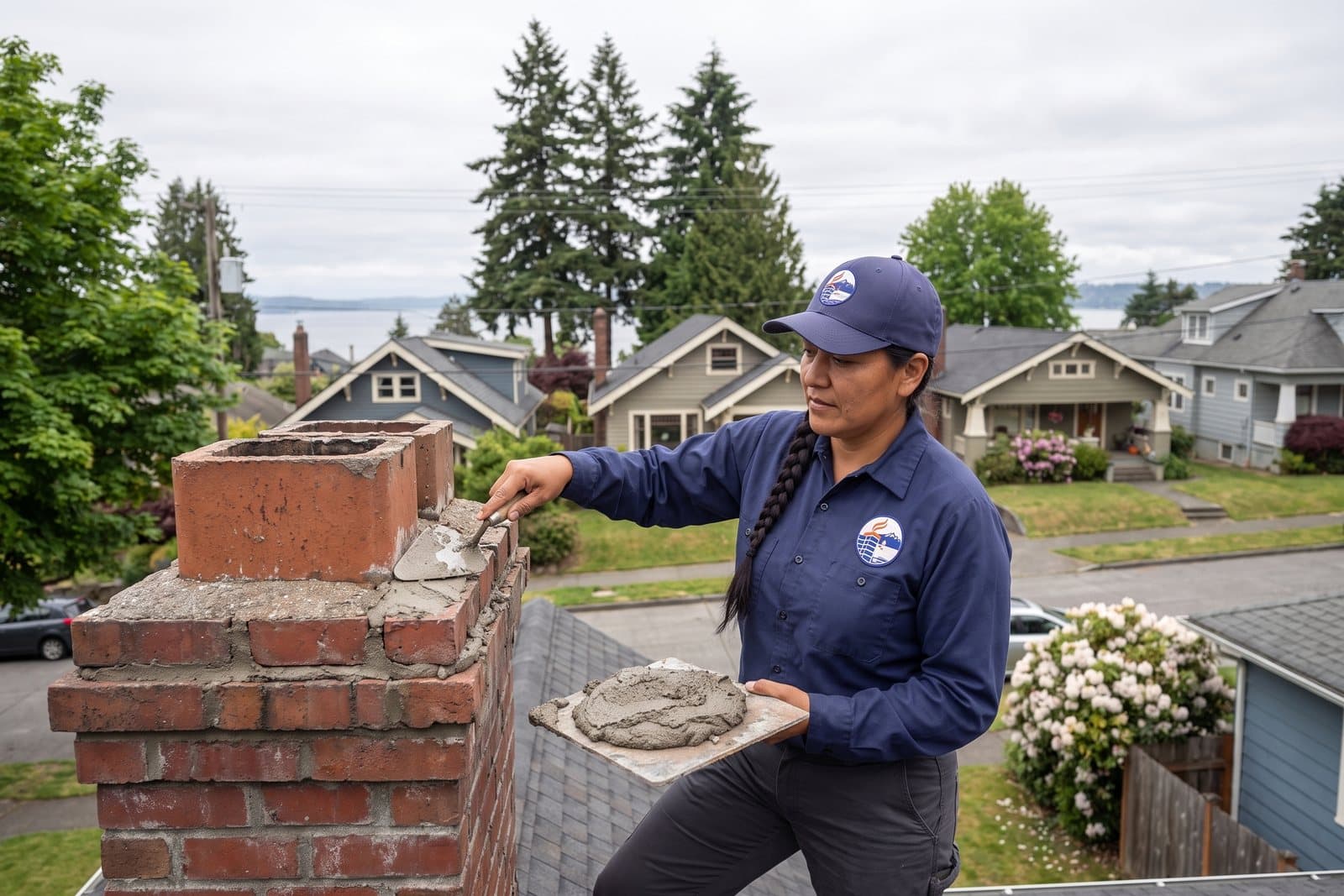
Assessment of the stack from roofline to crown, with a photo of each defect
Learn more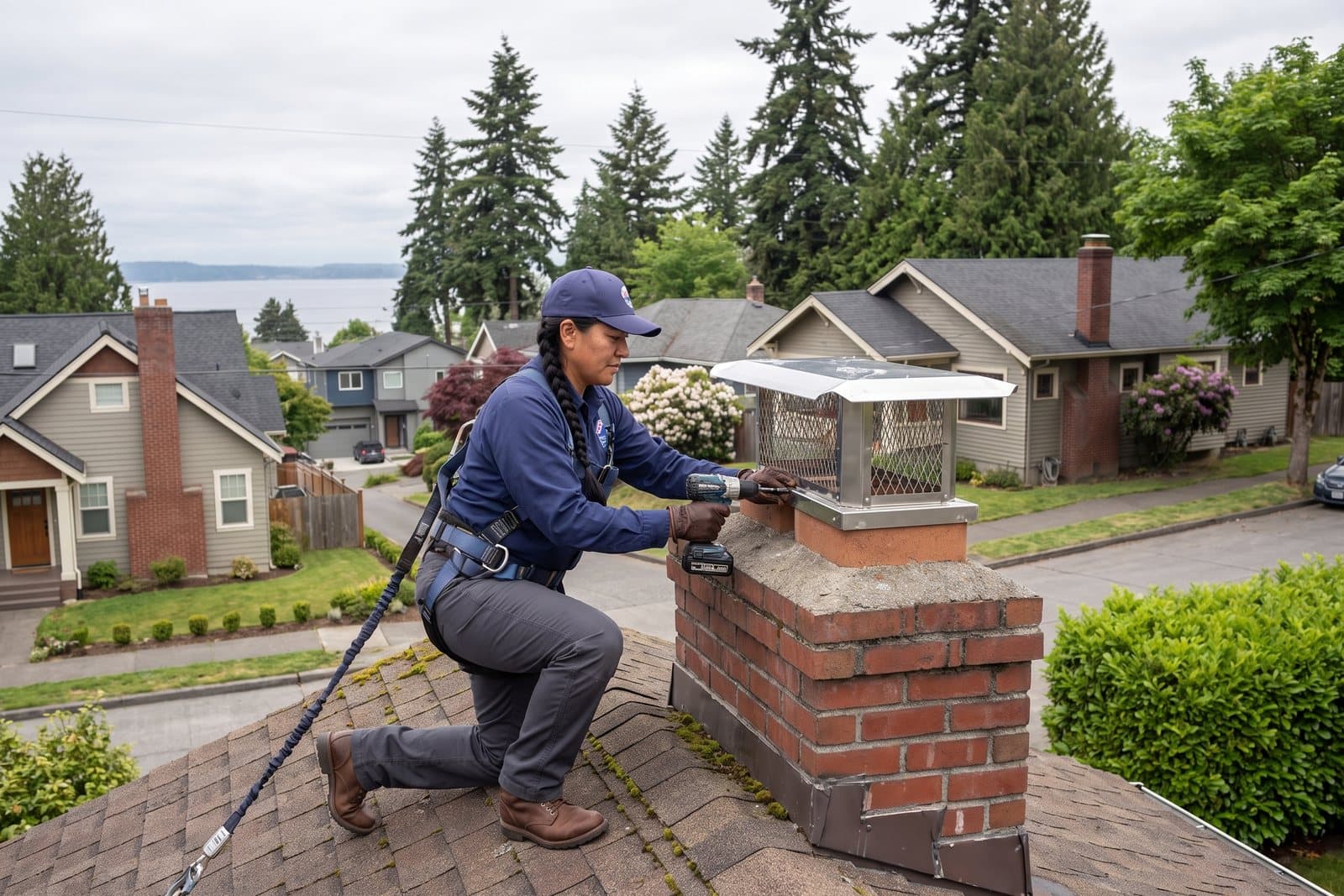
Measurement of each flue tile, or of the whole crown for a multi-flue cap
Learn more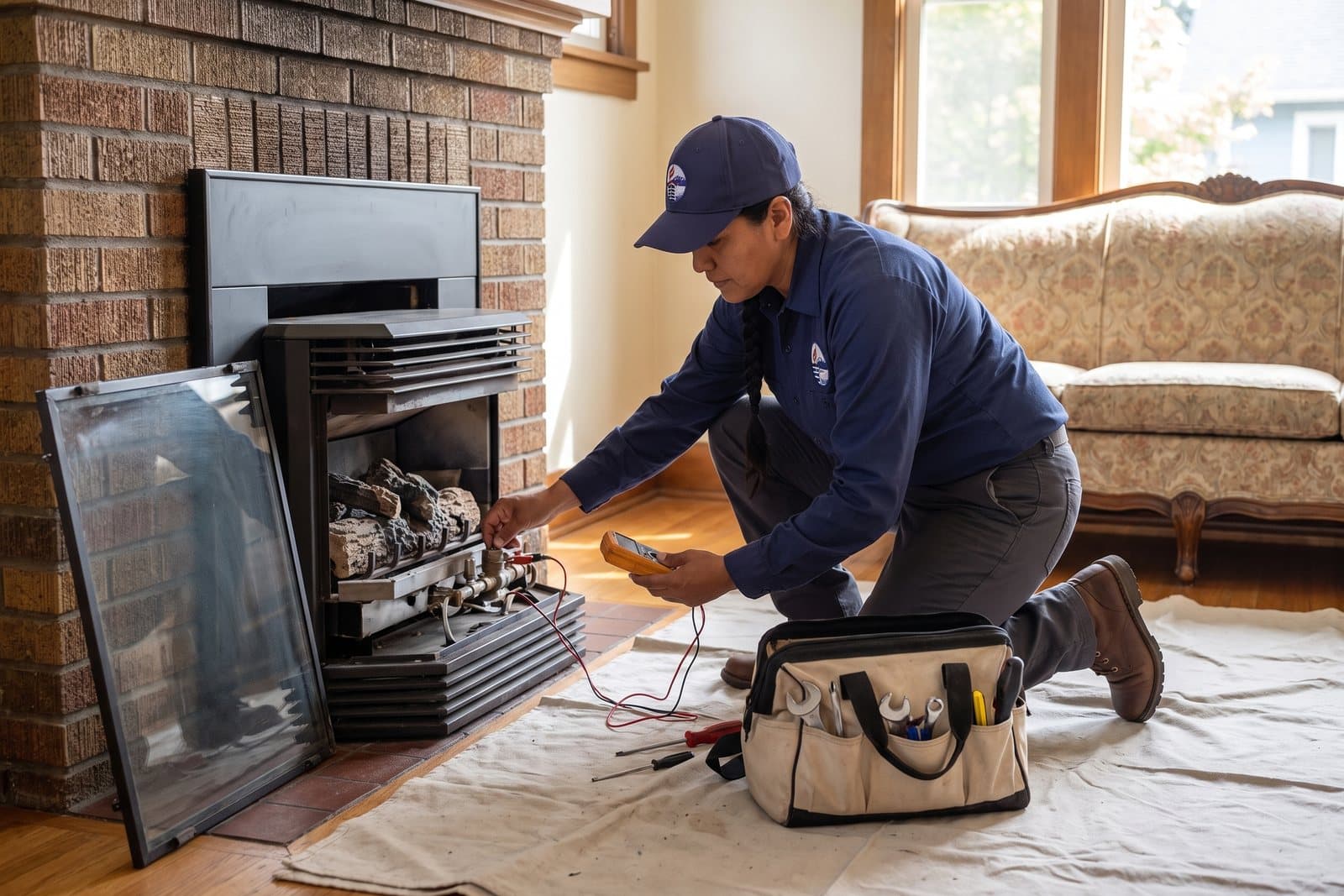
Burner, pilot assembly and firebox cleaned; logs or media put back in the layout the manual shows
Learn more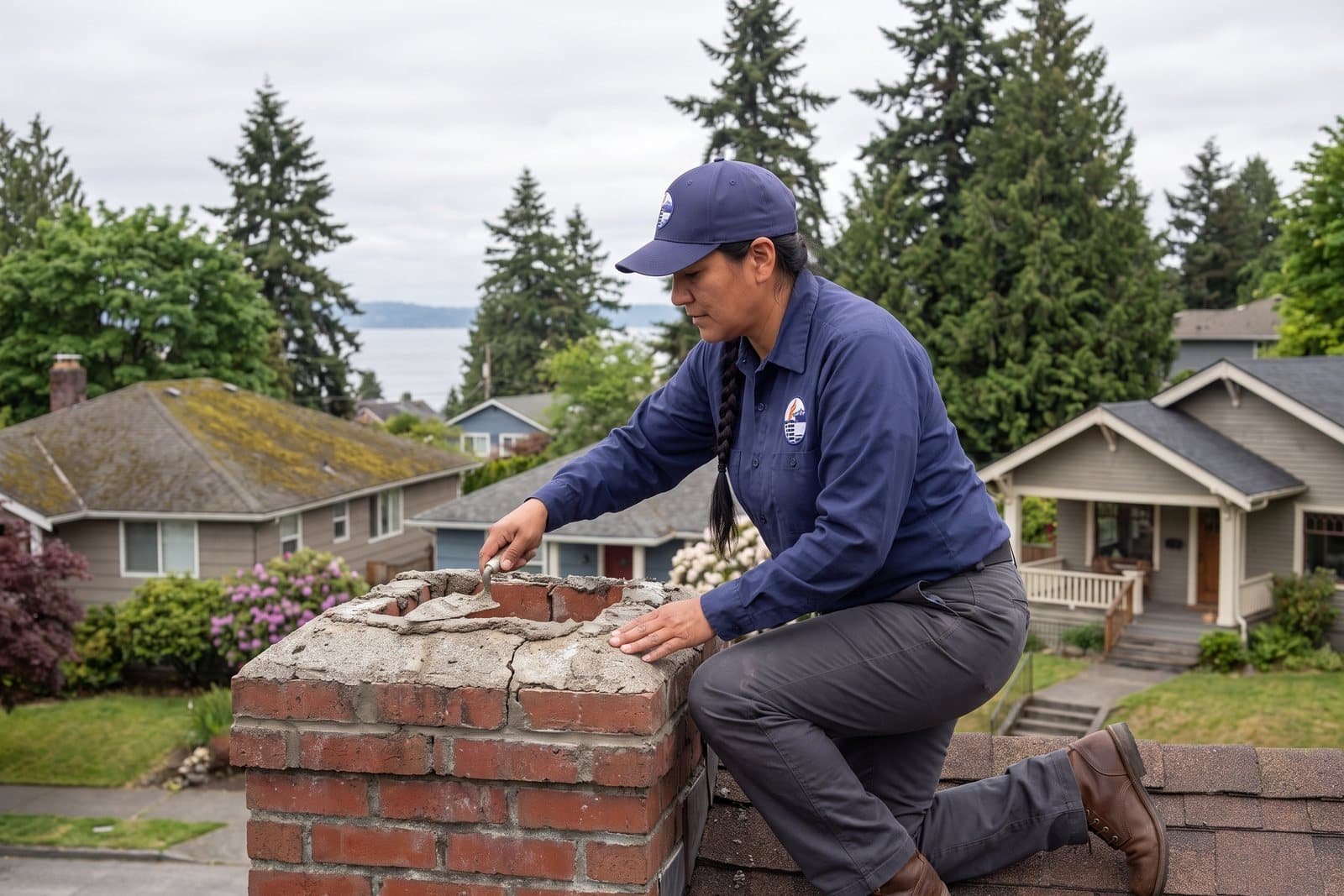
Joints cut back to firm mortar and repointed (tuckpointing) to match the existing profile
Learn moreRanges shown for orientation — the exact figure is written up on-site, after the inspection.
Census tables for the ZIP area covering High Point and the eastern blocks of the Junction count about 11,029 housing units, and their median build year is 1965. Roughly 20.2 percent went up before 1940 and another 27.9 percent between 1940 and 1959, with the 1940s alone accounting for 15.7 percent. Those are area-wide numbers, not a count of the Junction itself, and they say nothing about which houses have masonry flues. They do say that many homes near California Avenue were built before anyone was lining flues in steel.
A USGS Earthquake Hazards Program page on West Seattle models how seismic energy is focused under the peninsula. It cites 2001 recordings in which one station logged nearly three times the peak horizontal acceleration of another nearby, and it builds its model from three layers of sediment and bedrock with shear-wave speeds of 485, 725 and 1,200 meters per second. The page does not draw the effect street by street, so we do not claim it for any particular block of the Junction.
FEMA's chimney advisory, P-1024 RA1, explains why the inside of the flue matters. Aging stacks without steel and with crumbling joints are, in its reading, the ones most apt to fail; warns that a like-for-like rebuild stays just as exposed, and favors a metal flue or insert inside light framing. A stainless liner is not a seismic retrofit by itself, but it gives a cracked masonry flue a continuous, sealed path for smoke and heat.
Every chimney relining we do in The Junction includes:
Smoke coming back into the room, or a smell that won't go? Book the inspection first.
Book nowClay tile splits with heat cycles, age and ground motion. Once a tile is open, hot gas can work into the masonry and toward wood framing nearby. Relining is also the usual answer when a fireplace becomes an insert or a stove, or when an oil furnace is swapped for gas and the old flue no longer suits the new appliance. In the ZIP area above, fuel oil still heats about 5.2 percent of occupied homes, so that swap is not a rare question here.
The camera tells us where tiles have cracked, shifted or fallen, and how many bends the liner will have to follow.
Diameter comes from the appliance or the fireplace opening, and the steel grade from what it will burn.
Loose tile and heavy deposits come out first, so the liner slides down without snagging on debris.
We feed the steel down from above and couple its lower end to the stove, insert or smoke chamber.
A top plate and cap close the crown, and a final camera pass goes into your file with the photos.
When a relining comes with a new insert, Seattle's mechanical code, 2021 edition, governs the pairing. Its ninth chapter wants a UL 1482 listing on the insert's label and leaves the method of installation to the maker's instructions; pellet units answer to ASTM E1509 instead. A liner sized to an insert therefore follows the insert's own installation manual, not a rule of thumb.
In FEMA's view, each of the post-quake rebuild options it lists calls for a building permit. For a liner put in for any other reason, nothing we read settles the Seattle question, so SDCI hears from us about your house first and you hear the answer before signing.
What this work is quoted at for The Junction homes — the exact figure comes from the $99 on-site inspection, credited toward the work.
| Service | Price in The Junction | What that covers |
|---|---|---|
| Chimney Relining | From $1,900 | Full-length stainless liner, sized to the appliance |
| Chimney Sweep | $189–$449 | Full flue swept, Level 1 inspection included |
| Chimney Inspection | $99 plus tax | Level 1 visual; Level 2 adds a full camera scan |
| Chimney Repair | From $425 | Masonry repair — brick and mortar, scoped after diagnosis |
| Chimney Cap Installation | $235–$850 | Stainless cap fitted; multi-flue and custom at the top |
Ranges are what these jobs are quoted at in The Junction. The exact figure is set on site after a $99 inspection (credited toward the job if you go ahead), and you approve it before any work starts.
The Junction is the commercial heart of West Seattle, named in 1907 when two streetcar lines met at California Avenue SW and SW Alaska Street, with brick and terra cotta storefronts from the 1910s and 1920s on California Avenue and residential blocks on every side. We work every part of it — the Alaska Junction included.
The JunctionKing County, WA · 47.561, -122.387
Before and after
Illustrations of what each repair changes on a typical chimney — not photos of a specific job.
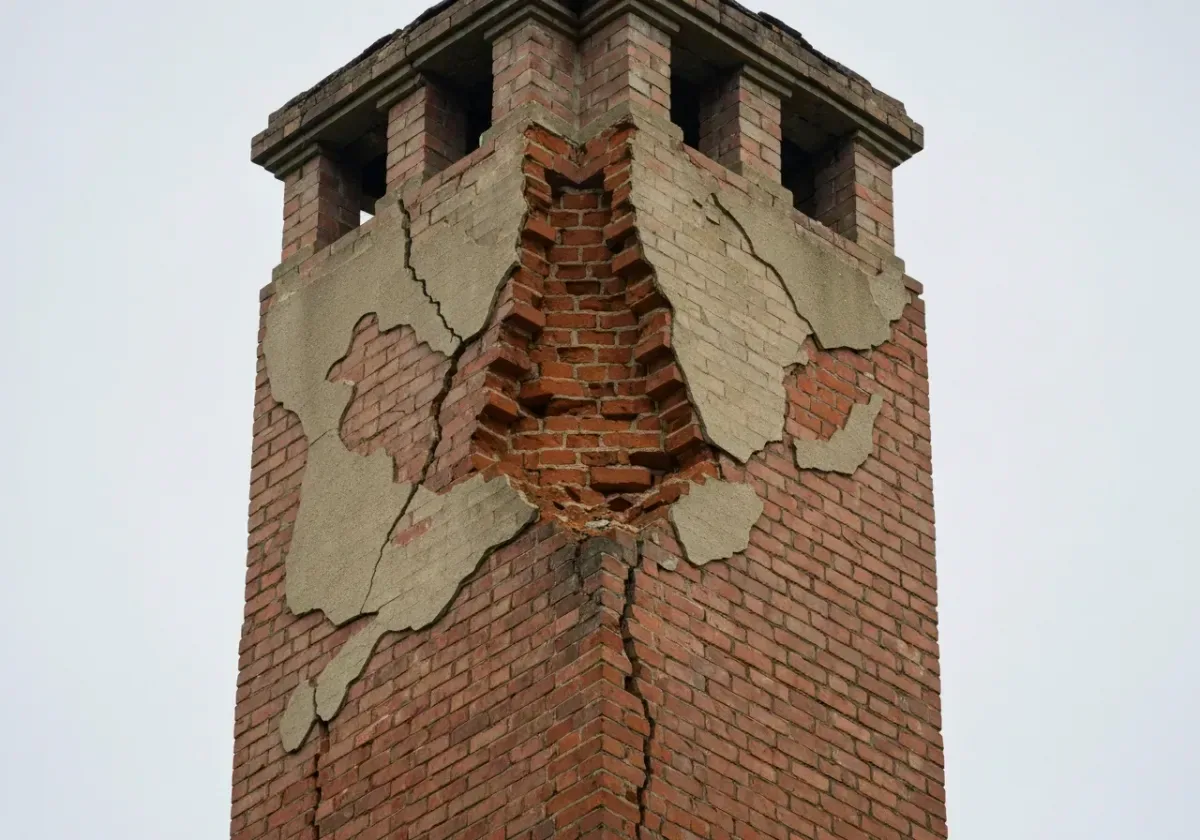 Before
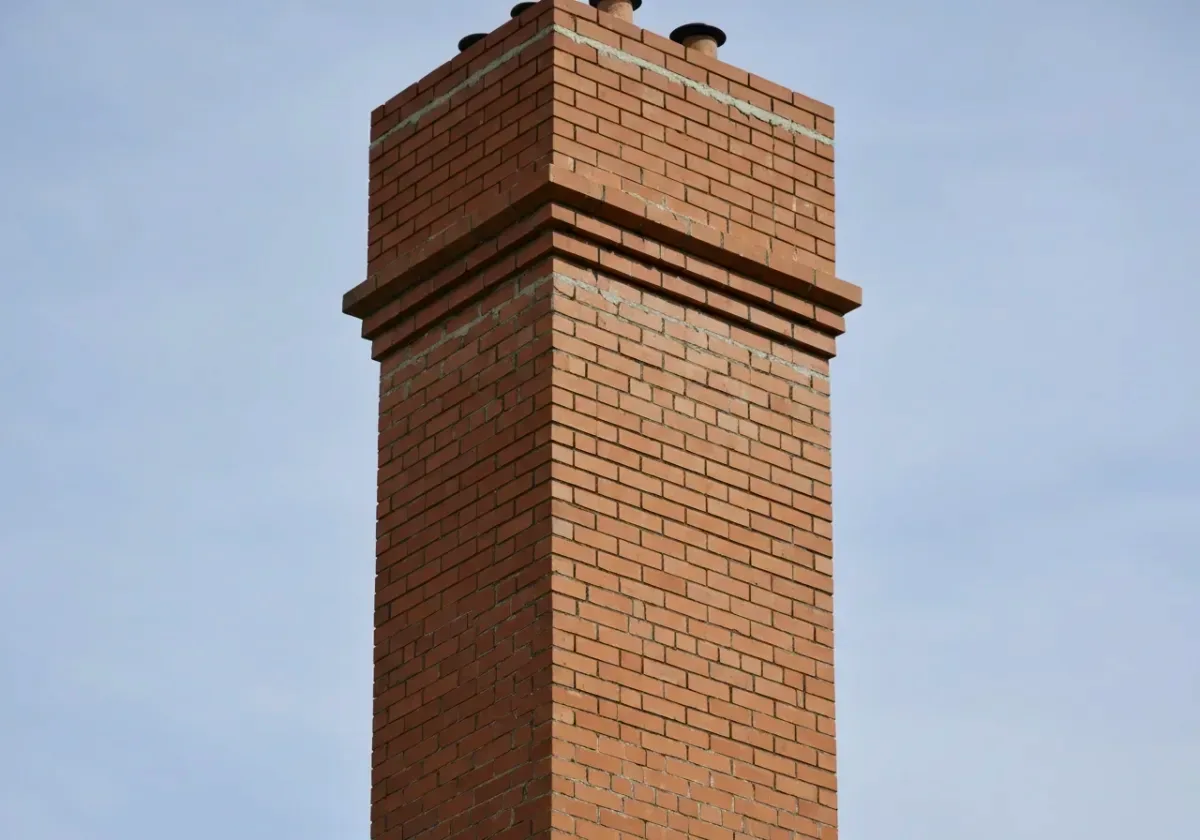 After
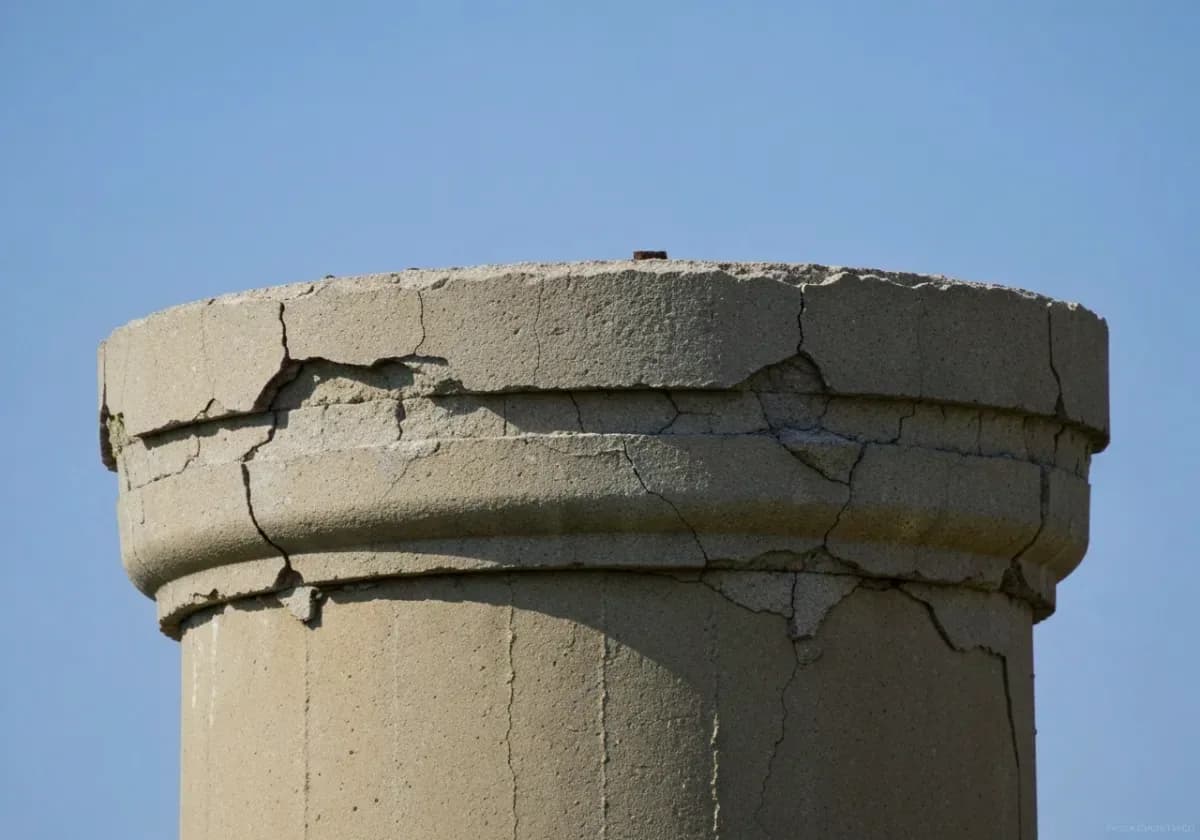 Before
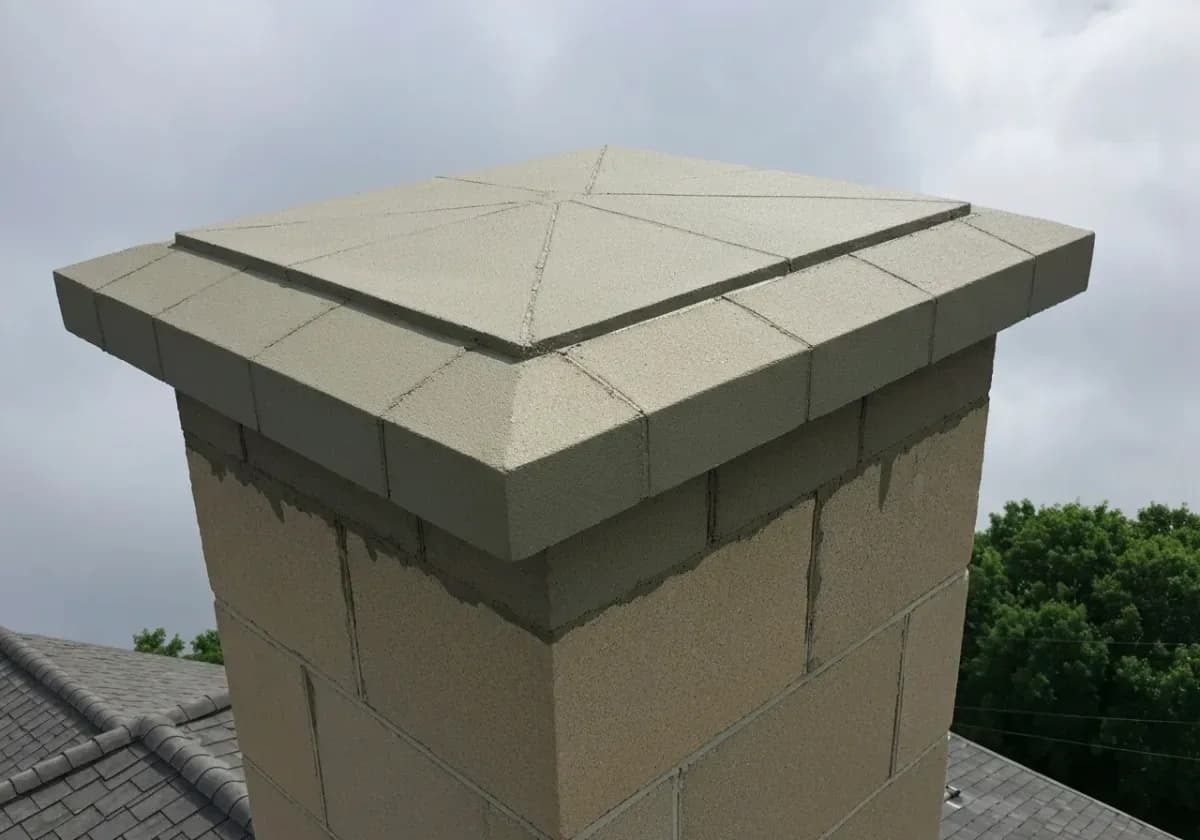 After
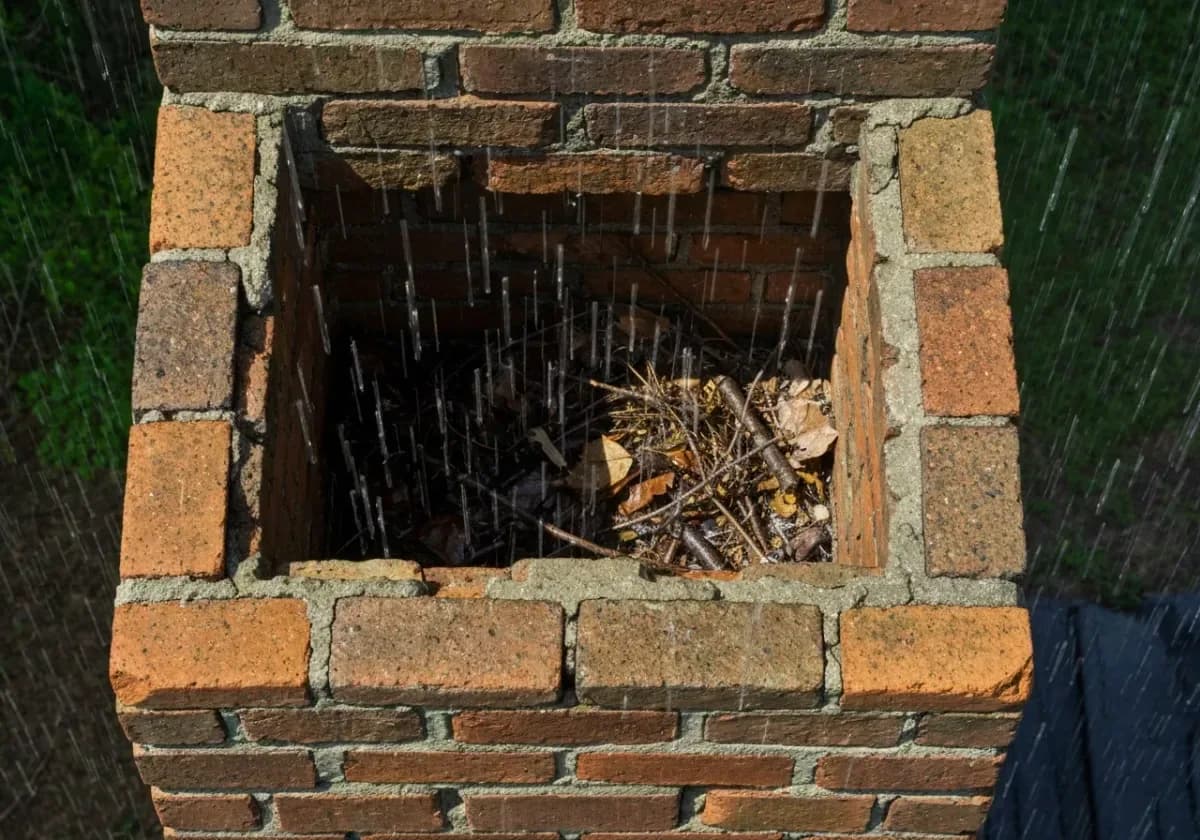 Before
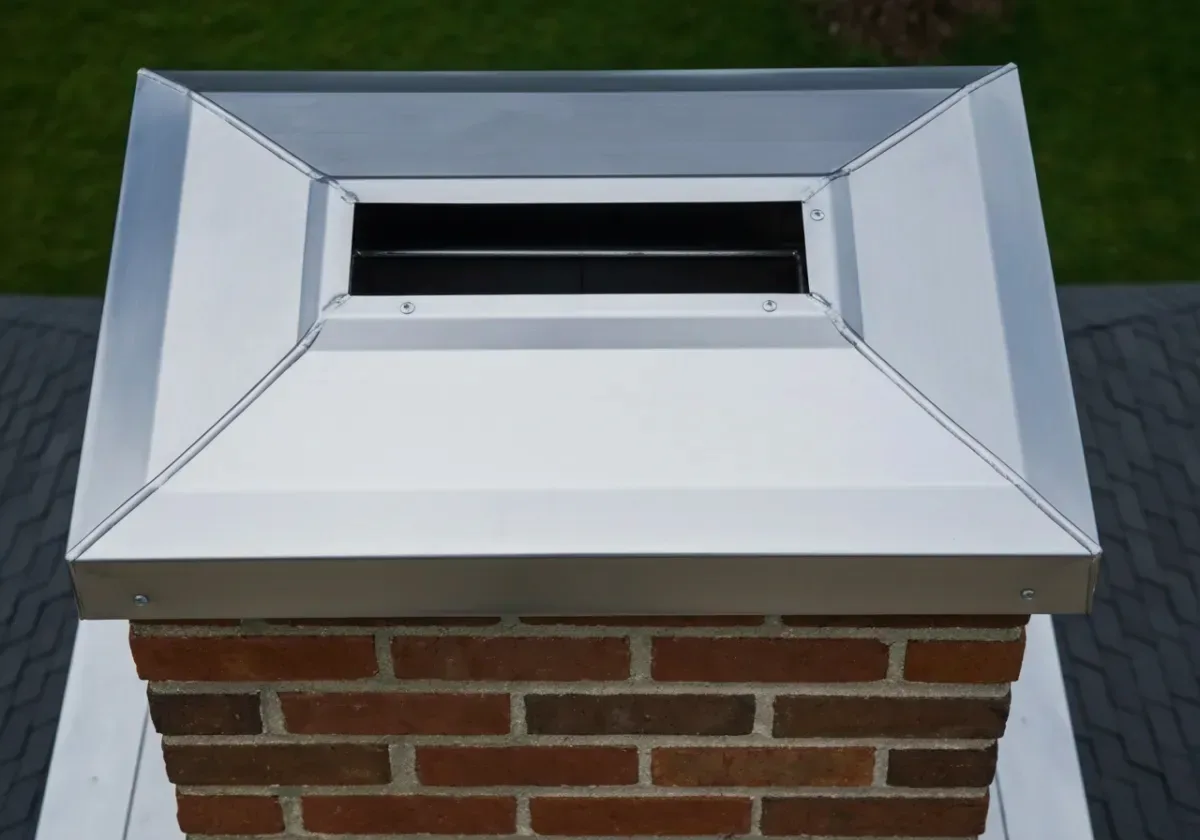 After
Four steps, each one on paper — so you always know what happens next.
Choose a genuine opening on the crew's calendar. Confirmation is immediate.
Liner, crown, cap, flashing and masonry examined in order — each finding photographed.
One document, plain numbers, covering only the work your chimney genuinely needs.
The repair is completed, then handed over with before-and-after photos of every item.
From $1,900. Height, diameter, insulation and bends decide the total, and you see it on paper once the camera has done its work.
No Seattle page we have read answers that for liners specifically, so we ask SDCI about your address and appliance before any work is scheduled.
Sometimes, if the damage is limited. The camera footage shows whether a repair is realistic or whether a liner is the honest answer.
No. You pay $99 plus tax for the camera visit; approve the liner quote afterward and those $99 come off its total.
A $99 on-site inspection, a written quote before any work, and photos of every item we touch.