Seaview, King County
Seaview is the slice of West Seattle that tilts toward Puget Sound. Its houses climb from Beach Drive SW up a hillside whose recorded landslides go back to the 1920s, and its waterfront parks sit behind seawalls the storms keep wearing down. Few written histories cover the neighborhood itself, so this page sticks to what public records do say, names each one, and explains what it means for a chimney standing on that slope.
Book an inspection
Book your $99 inspection
$99 plus tax, deducted when you approve the repair
Not sure where to start
Pick what you're seeing at your Seaview home — we'll point you to the right fix.
What we do
The same crew, the same written quote — for Seaview homes.
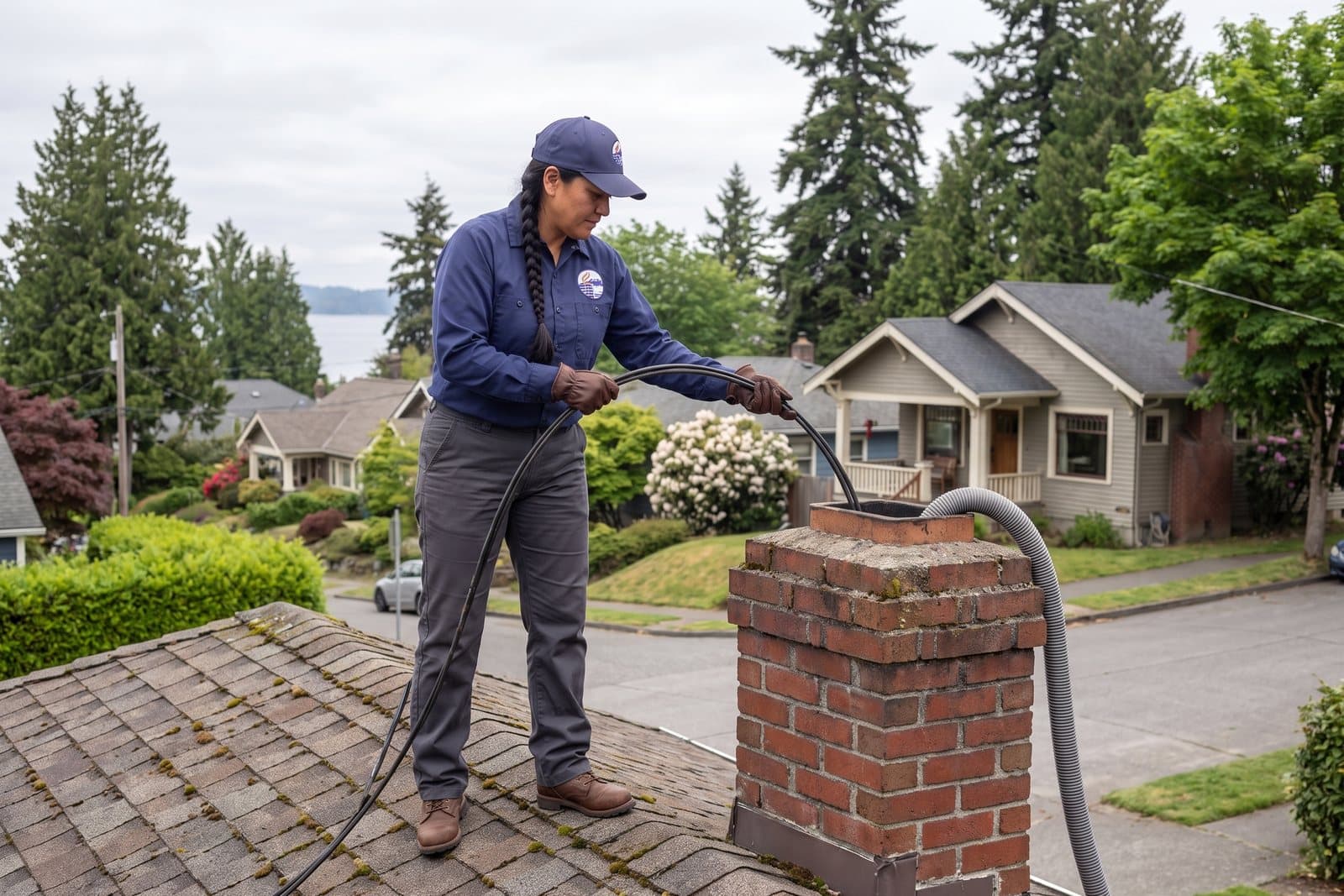
Full-height brushing of the flue with a head sized to its shape and material
Learn more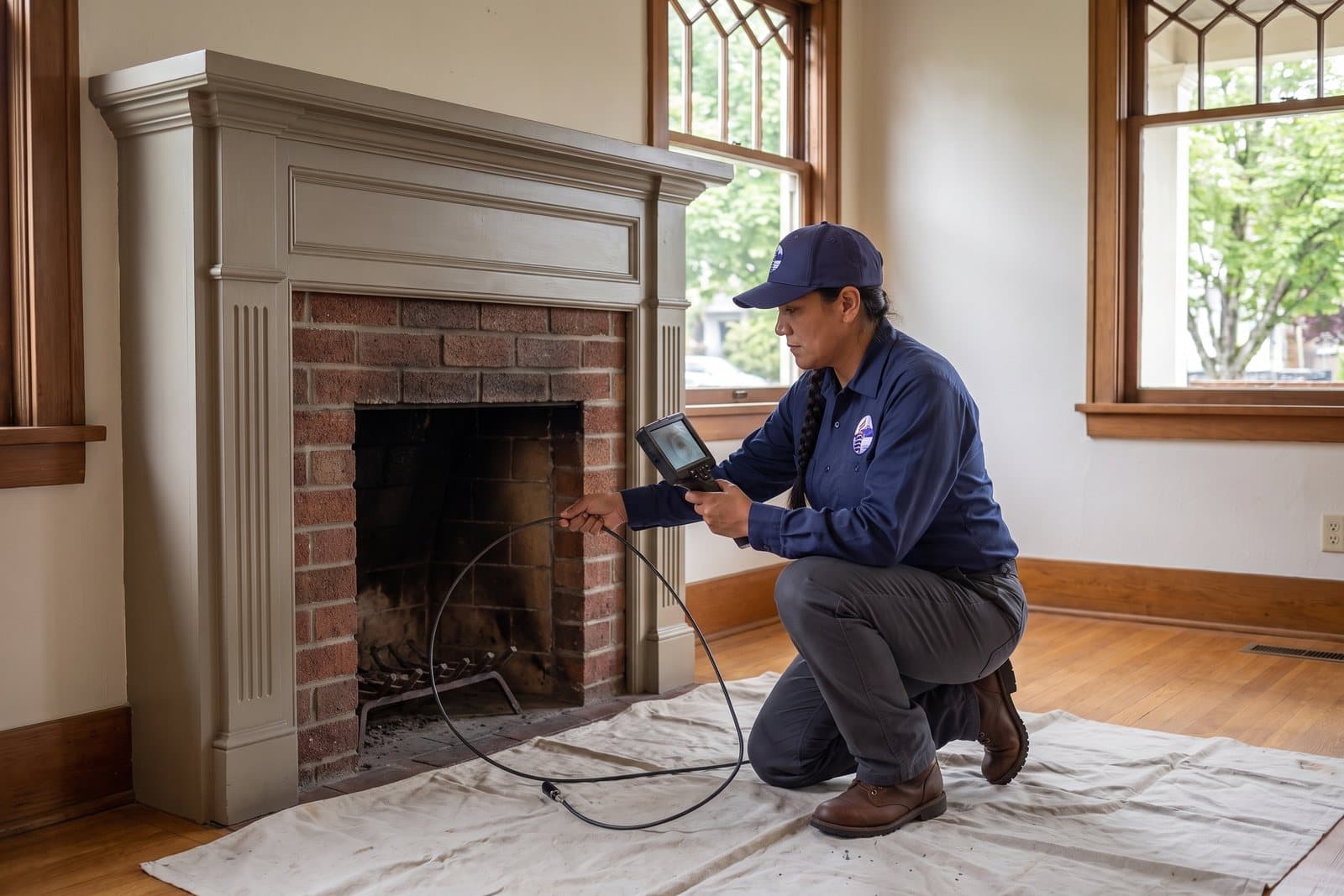
Level 1 examination of everything reachable, with a Level 2 camera pass when the reachable parts leave a question open
Learn more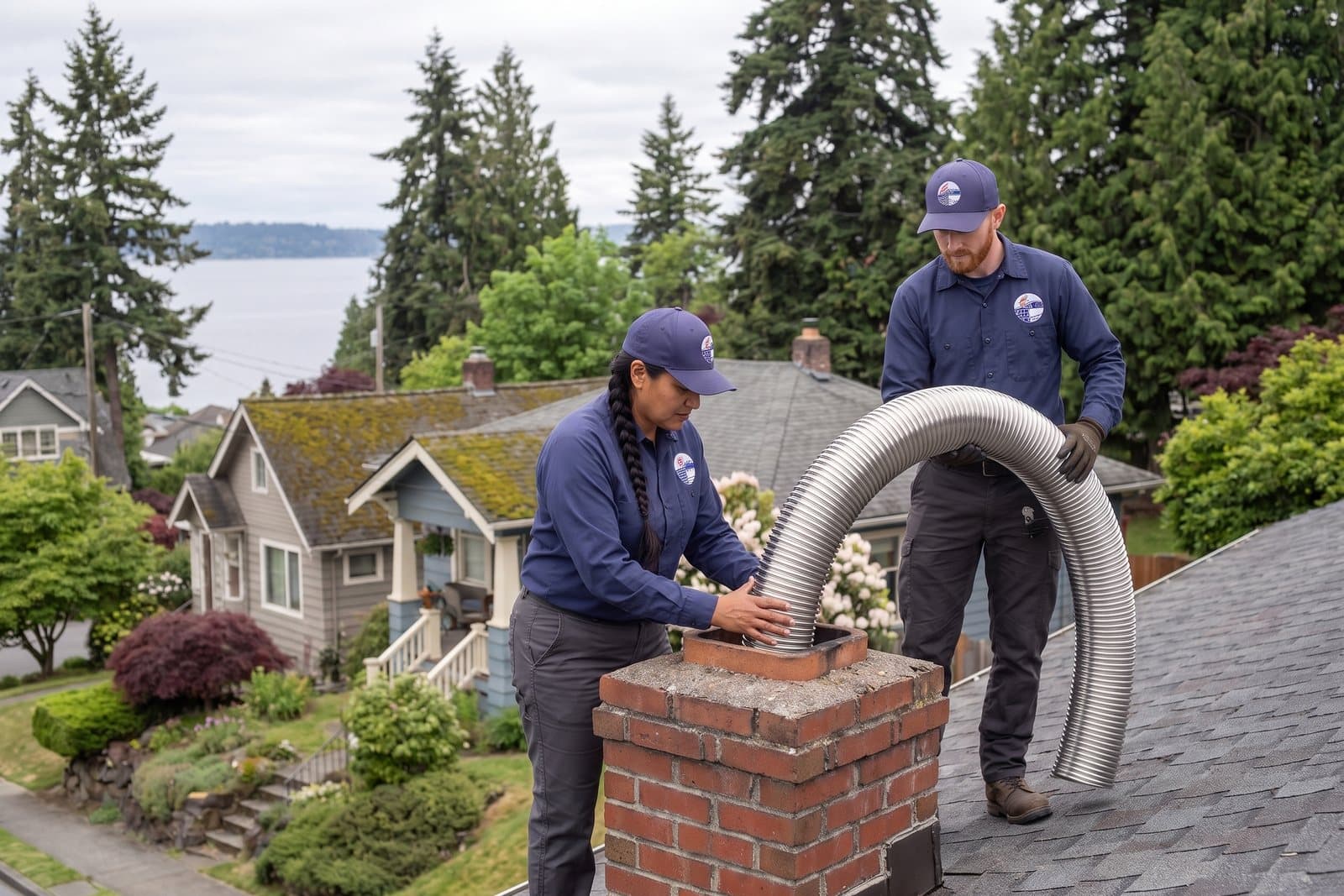
Camera survey and measurement of the existing flue before anything is ordered
Learn more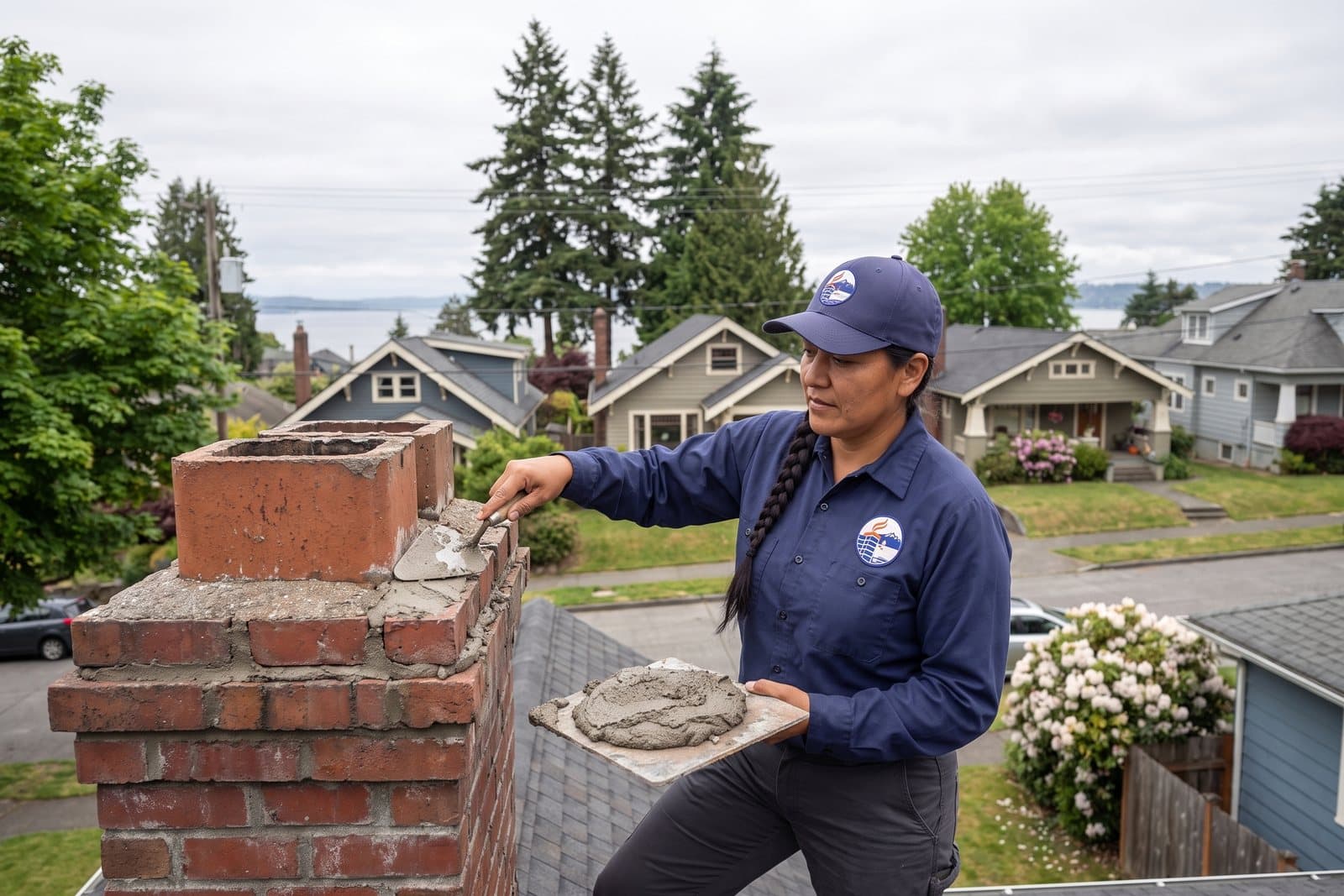
Assessment of the stack from roofline to crown, with a photo of each defect
Learn more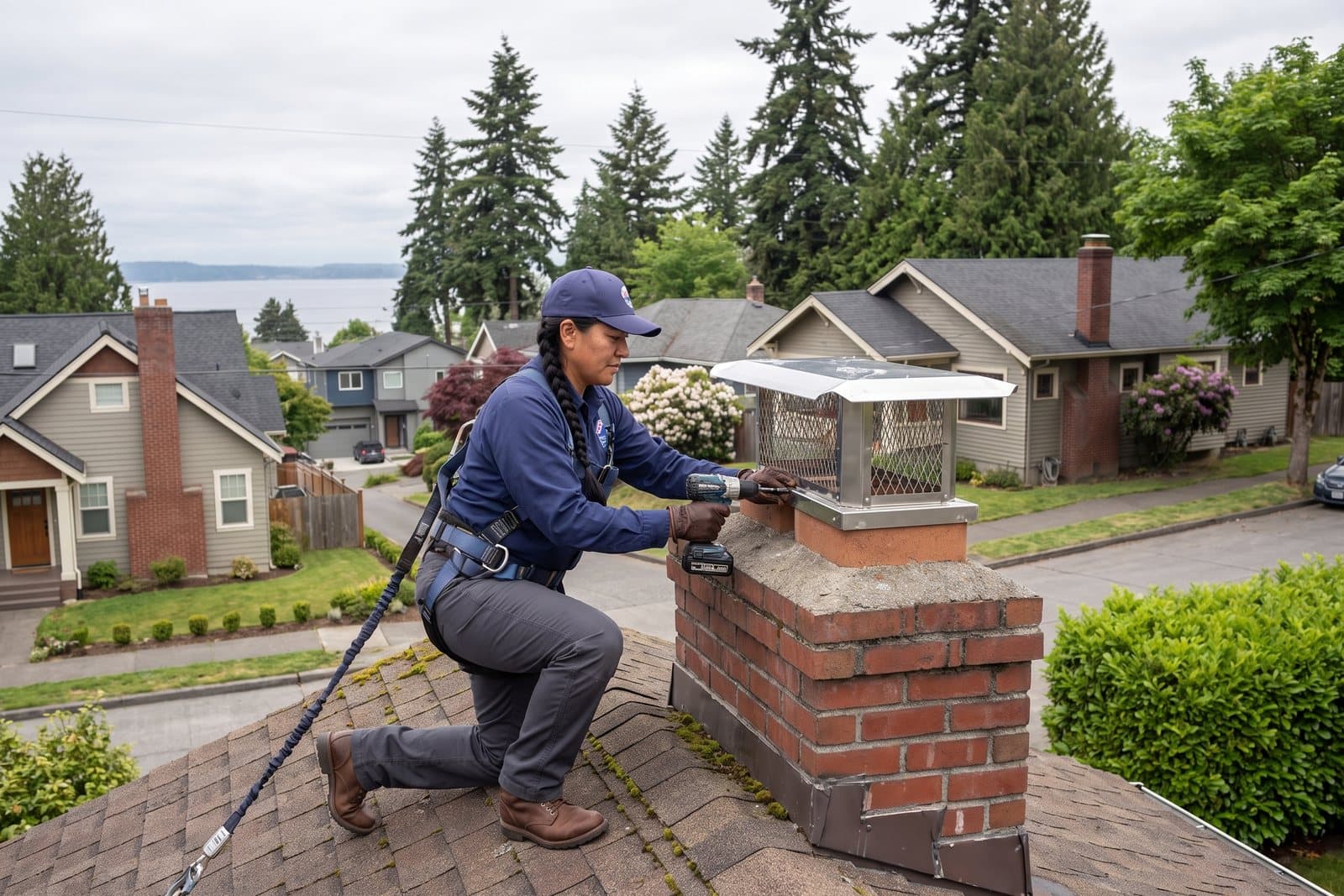
Measurement of each flue tile, or of the whole crown for a multi-flue cap
Learn more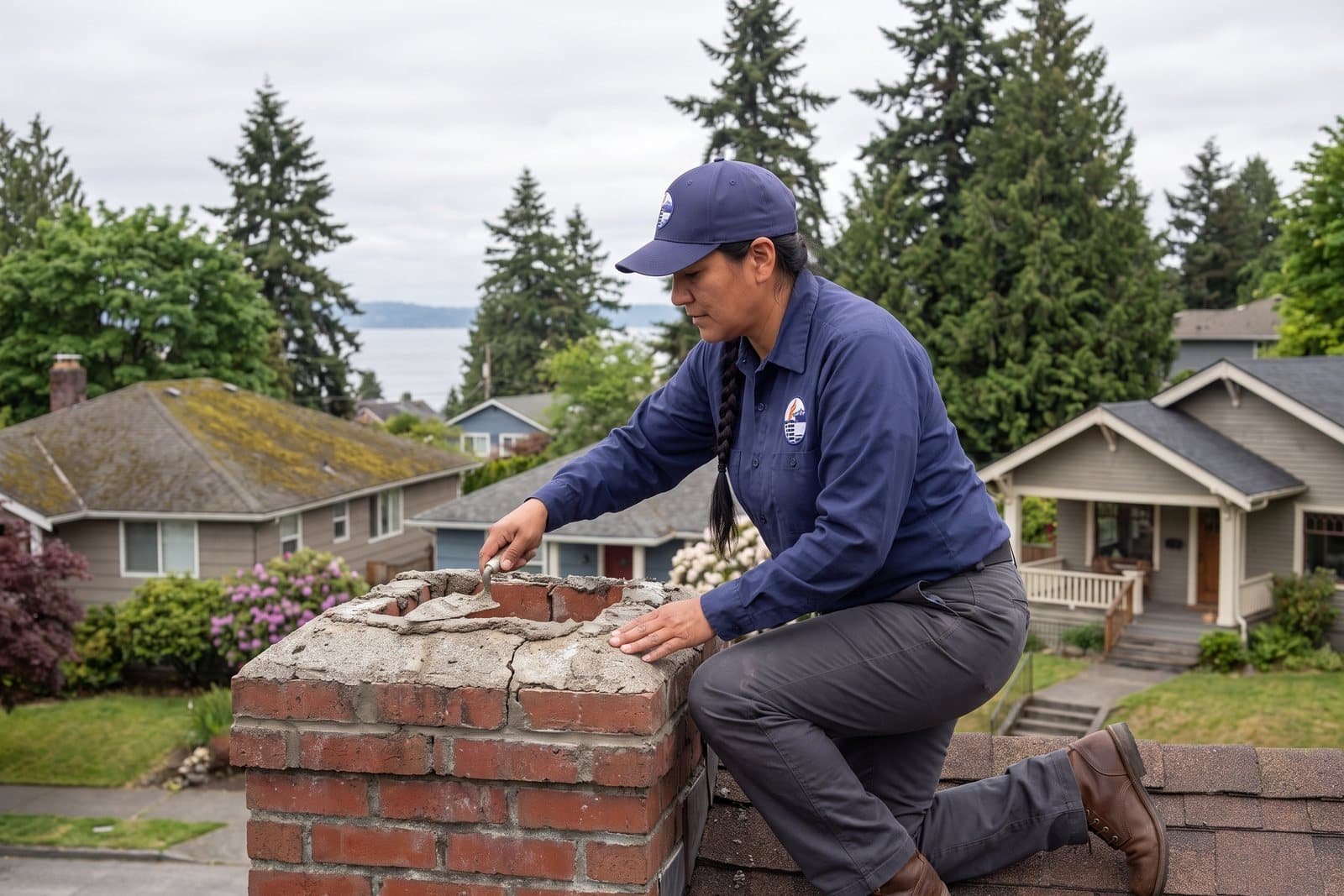
Joints cut back to firm mortar and repointed (tuckpointing) to match the existing profile
Learn more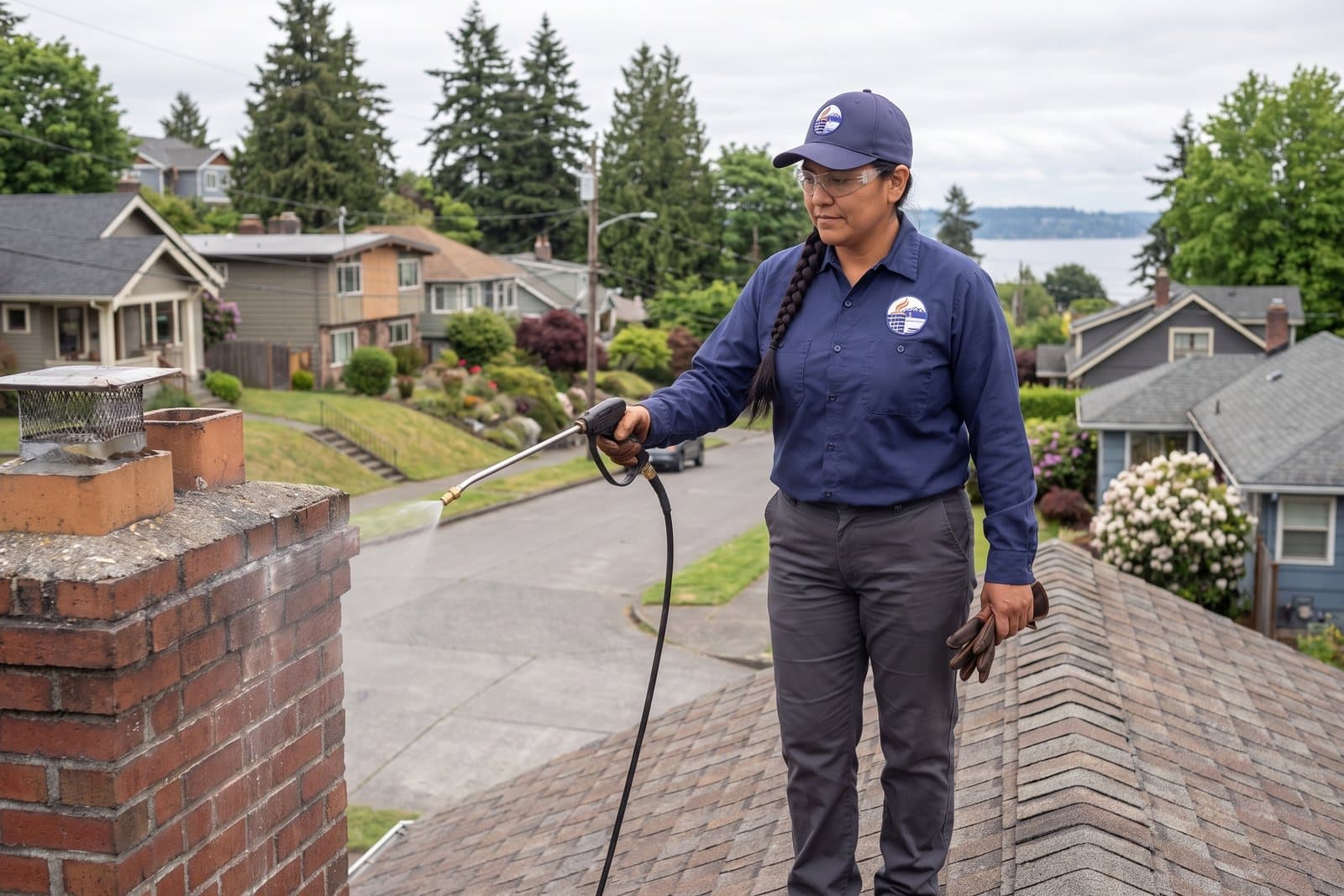
A check of joints, crown and flashing first; defects are repaired before any treatment
Learn more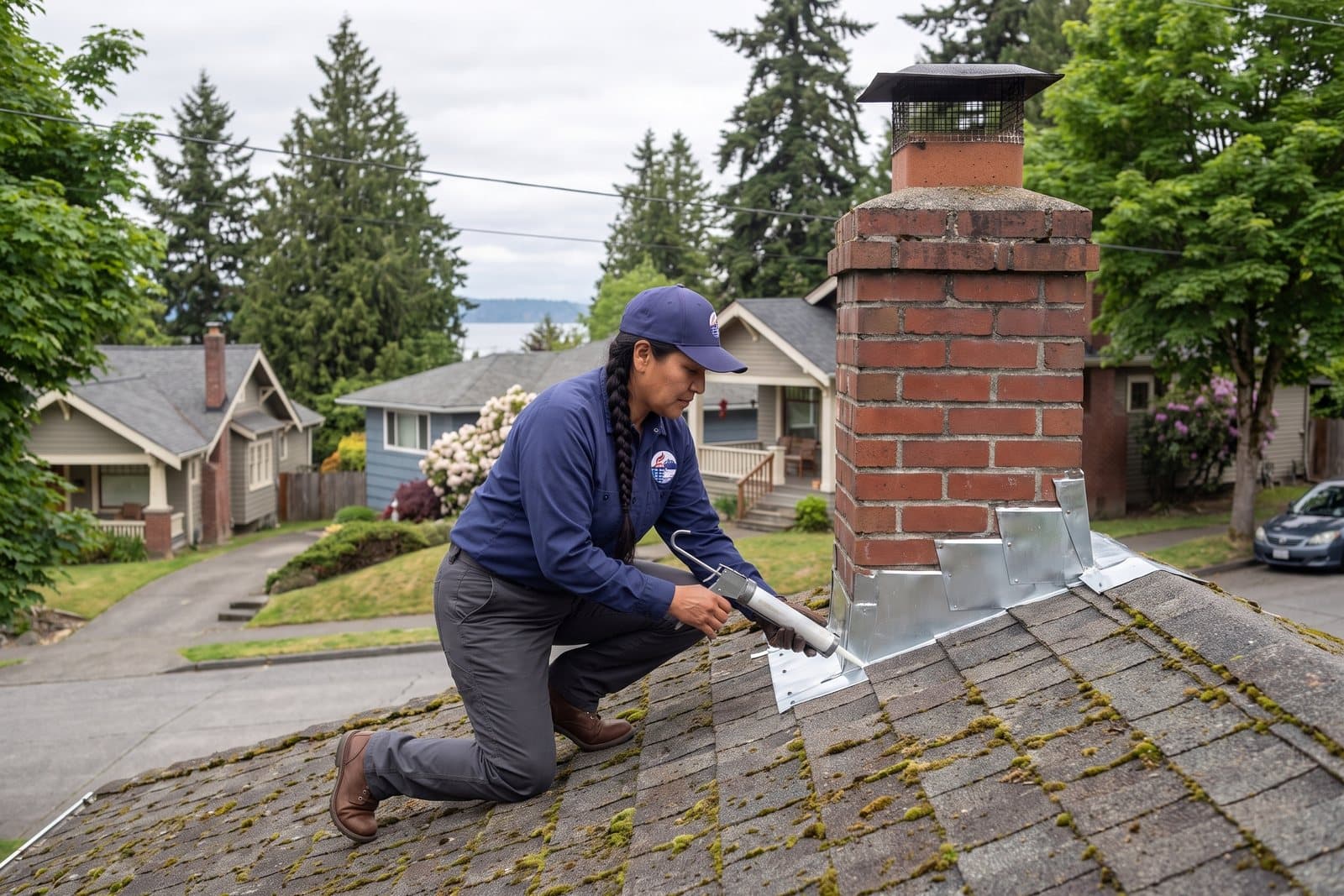
Leak tracing from the attic or the ceiling stain up to the roof
Learn more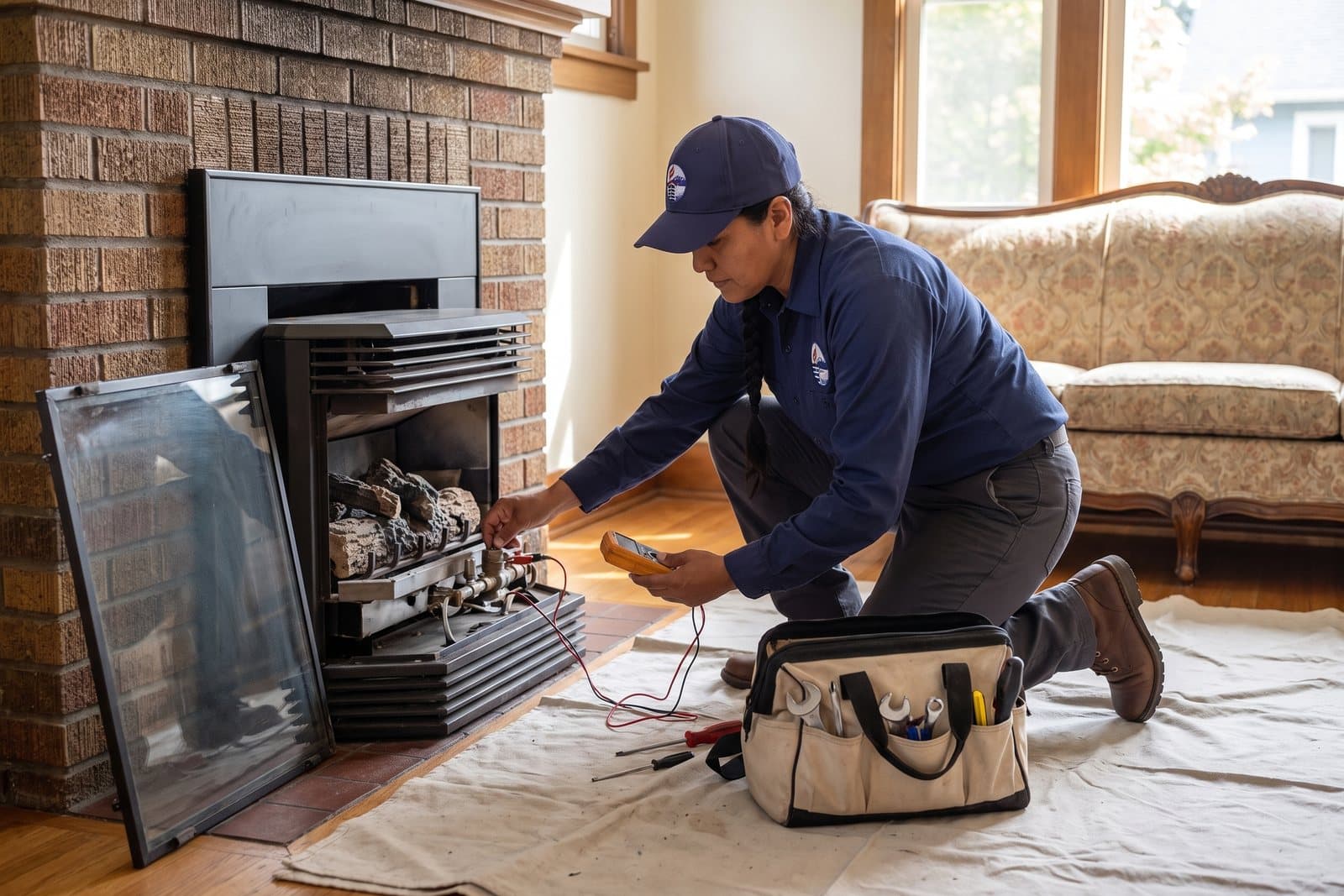
Burner, pilot assembly and firebox cleaned; logs or media put back in the layout the manual shows
Learn more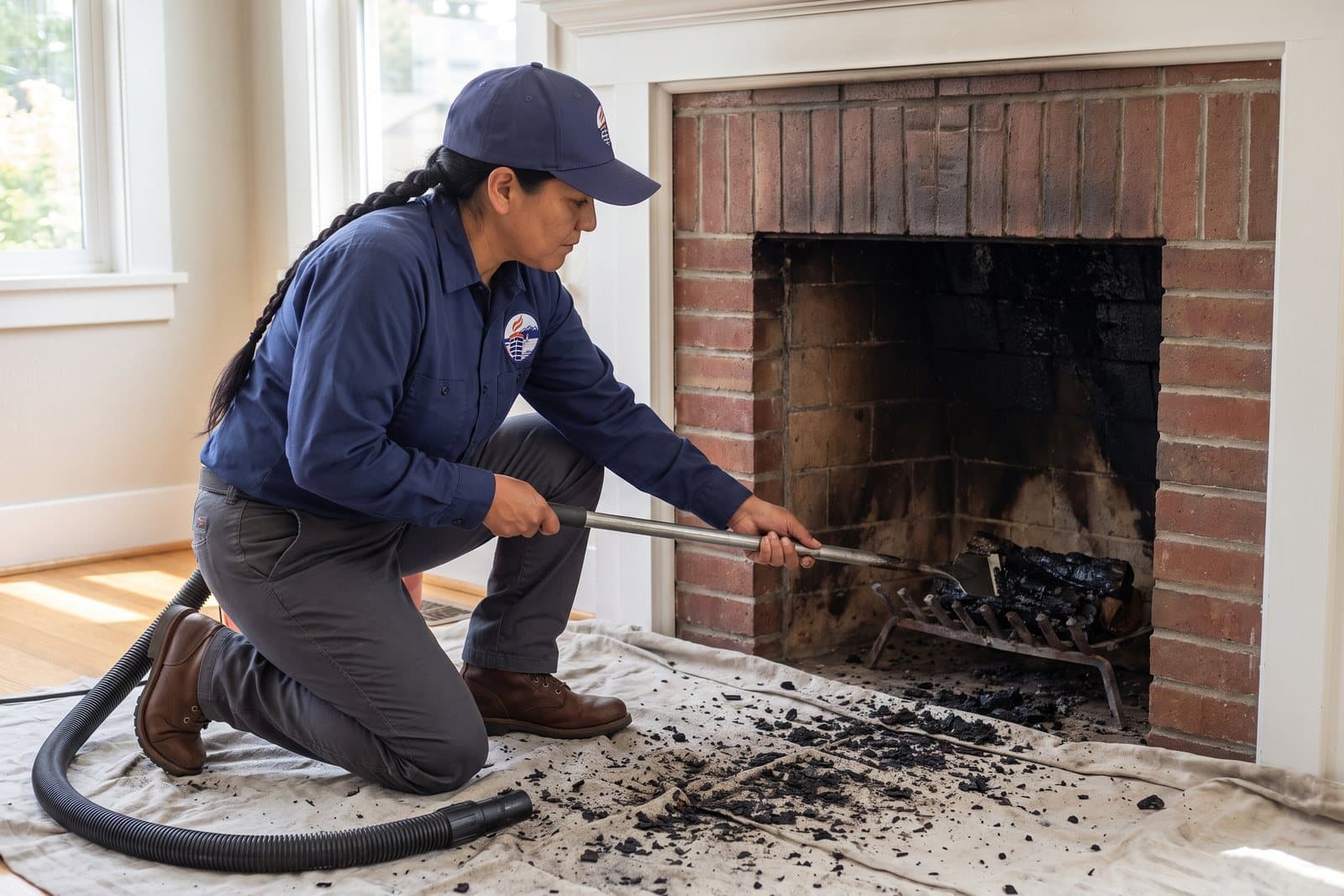
Camera survey to grade the deposit and check the liner beneath it
Learn more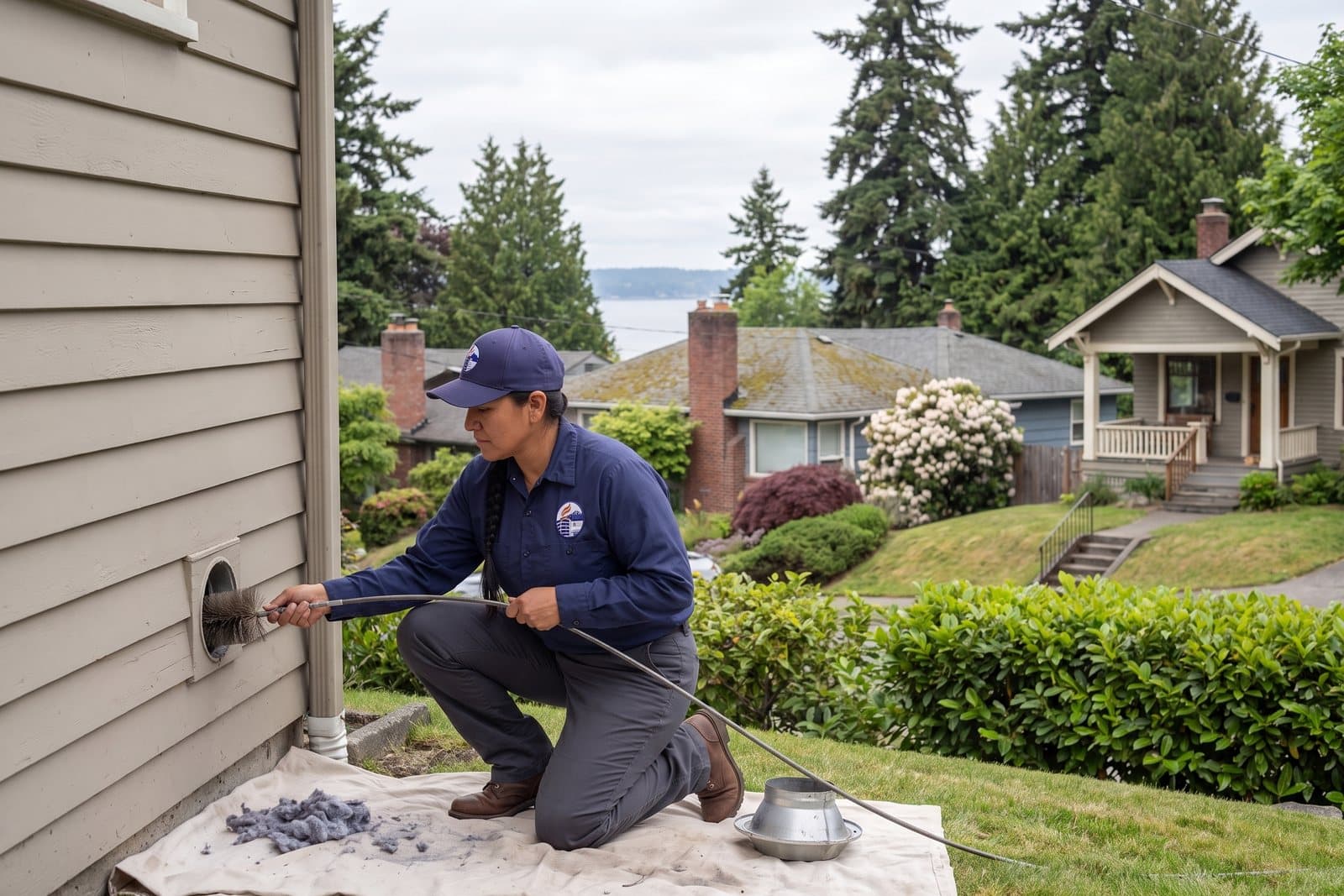
Dryer pulled out; the transition duct inspected, and replaced if it is plastic, thin foil or crushed
Learn more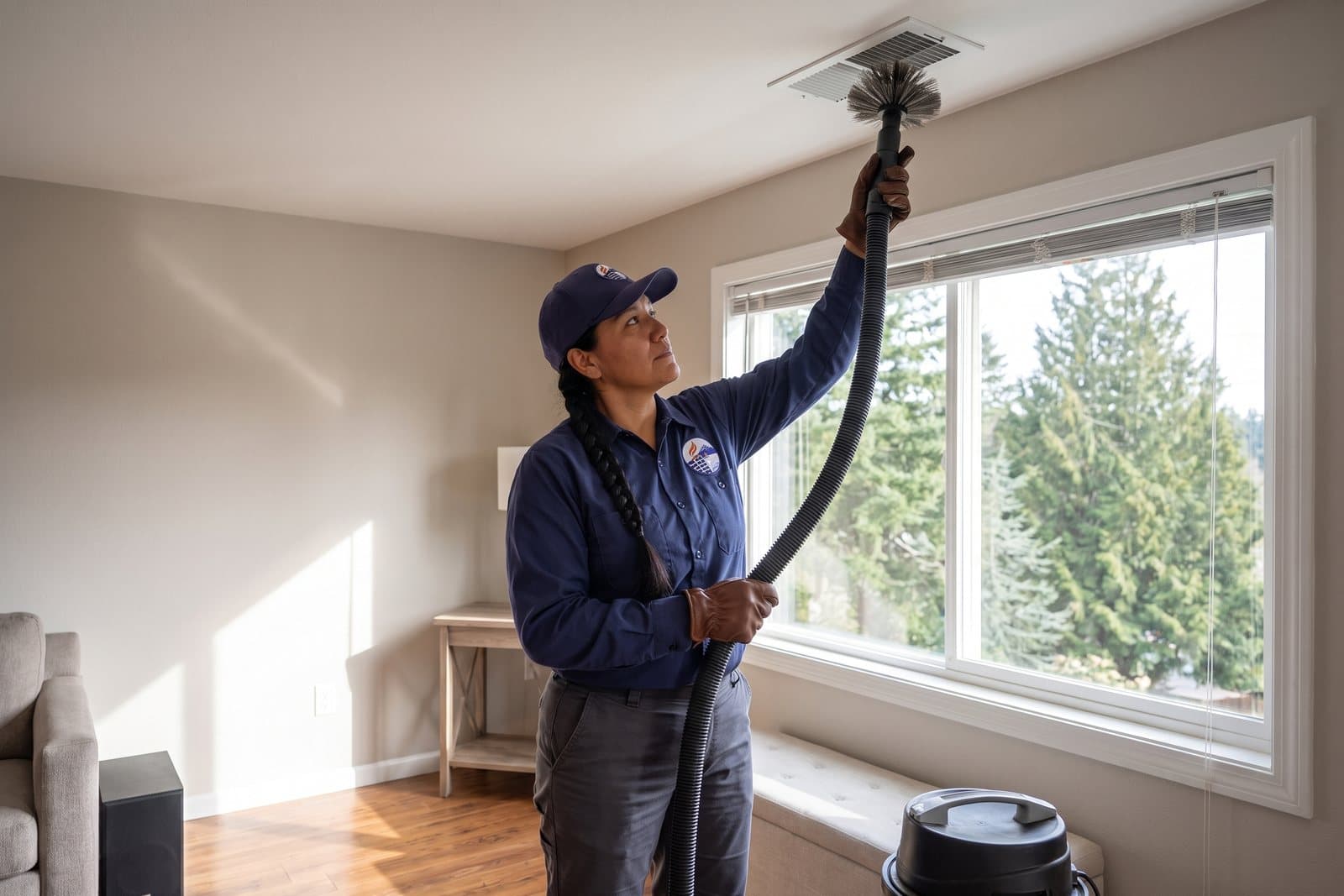
Inspection of the furnace, the plenum and a sample of ducts before any work, with photos
Learn moreRanges shown for orientation — the exact figure is written up on-site, after the inspection.
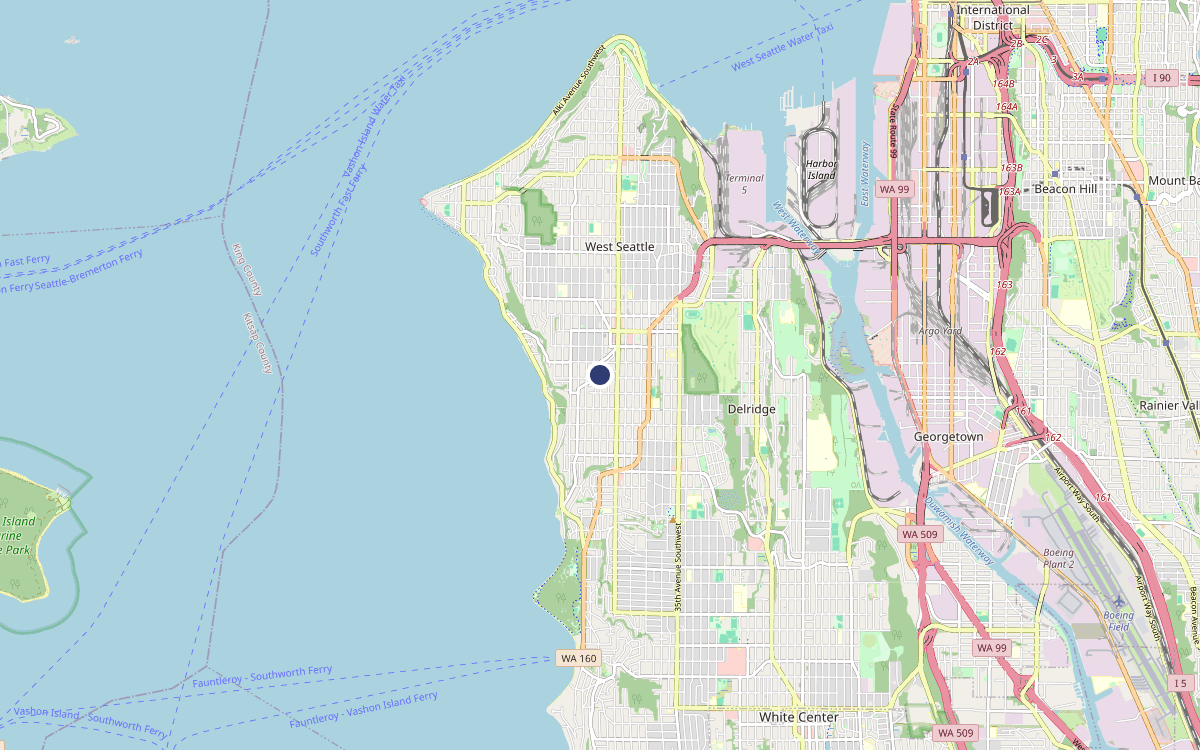
Service-area map — Seaview, Seattle. Map data © OpenStreetMap contributors.
Wikipedia's short entry on Seaview fixes its edges: the Sound on the west, Alki and Genesee on the north, Fairmount Park on the east and Gatewood on the south. Inside that outline are three waterfront parks, Me-Kwa-Mooks, the Emma Schmitz Memorial Overlook and Lowman Beach, a long run of Beach Drive, and the slopes above it. The Census does not report on Seaview by name; its housing figures come from two ZIP code areas that divide the neighborhood roughly north and south and spill into the districts on either side.
Much of what Seaview's waterfront looks like today goes back to one family. Seattle Parks identifies Me-Kwa-Mooks Park (4430 Beach Drive SW, in the blocks from Genesee to Oregon) as the former homestead of Ferdinand and Emma Schmitz, and describes most of it as a wooded hillside that has stayed largely undeveloped above the road. A short way south, Emma Schmitz gave the city the overlook that now carries her name in 1945.
Farther along, at 4866 Beach Drive SW, stands the Satterlee House, built around 1906 and listed as a designated Seattle landmark in the 2022 nomination for Alki Elementary. The 2023 nomination of the Cettolin House adds that West Seattle's more than a dozen landmarks cluster along California Avenue SW and the west-side waterfront. On a designated landmark, outside alterations, chimney work among them, start only once the city has issued a Certificate of Approval.
The southern part of Seaview falls in the ZIP code area it shares with Gatewood and Fauntleroy. That area has the oldest housing on the peninsula by the Census count: about 30 percent of its units were built in 1939 or earlier, and half before 1960. The northern part shares an area with Alki, Admiral and Genesee, where the median home dates from 1974, about 23 percent predate 1940 and some 18 percent have gone up since 2010.
Neither figure is Seaview's own, and neither counts chimneys. Read together they suggest a neighborhood where a prewar flue and a newly built gas vent may stand a few lots apart. That is the reason we never assume what a Seaview house has from its address; the first question is always what you burn and where it vents.
Seaview's eastern neighbor gives a sense of when the uphill streets filled in. Fairmount Park, which Wikipedia locates on Fauntleroy Way from Edmunds south to Graham, got its elementary school in two steps, per HistoryLink: 248 pupils started in rows of portables in September 1955, and the brick building they had been promised was ready nine years later, in the fall of 1964.
Portables come first when the children arrive faster than the building budget. For chimneys the timeline is what counts: a house from those years, if it has a flue, now carries one past its sixtieth birthday.
Seaview's waterline has been rebuilt more than once. Seattle Parks writes that the 1920s seawall at the Emma Schmitz overlook, 500 feet long, had suffered significant erosion and storm damage before the Army Corps of Engineers put in its replacement in 2020-2021. At Lowman Beach, the city went the other way in 2022: it pulled out the last section of seawall and a tennis court, restored the beach, and daylighted a remnant of Pelly Creek.
Above the road the problem is the slope, not the waves. The Seattle Landslide Study names Beach Drive SW first among the city's chronic slide areas, logs 25 slides since 1927 in the Beach Drive and Atlas Place area, including six deep-seated ones, and tallies another 18, dating from 1933, where SW Jacobsen Road crosses ground that falls away to the west. It also explains why the bluff toe holds: Beach Drive itself runs along the water and keeps waves off the foot of the slope, so the movement comes from water inside the hill.
For a chimney on this hillside, those records translate into habits rather than alarms. We treat the faces turned toward the water and the southerly winter wind as the worn ones until we have looked. We check whether a stack stands plumb and whether it has pulled away from the roof or wall. And we plan ladders, anchors and material handling before we quote, because on a downhill lot the work is often a story higher than the street suggests.
Seattle's unreinforced brick chimneys took damage three times in just over half a century, in 1949, 1965 and 2001, all deep quakes. The USGS team that mapped the last of them describes tight clusters of broken chimneys on the peninsula each of those three times. For 1965 there is a count, via HistoryLink: of 5,005 chimneys on 188 surveyed West Seattle blocks, 1,712 needed attention afterward.
The USGS Earthquake Hazards Program has modeled one explanation, a fold in the bedrock several hundred meters down that focuses waves arriving from the south. Its map is a model, not a list of addresses, and we make no claim about where Seaview falls on it. The practical point is the same anywhere on the peninsula: after a quake you can feel, an older masonry chimney deserves a camera before its next fire.
Seaview's wood smoke answers to a four-county regulator, the Puget Sound Clean Air Agency, which both calls the bans and polices them. They are a cold-weather tool, called when still air in fall and winter holds wood smoke near the ground. Summer fire-safety bans are separate and come from the fire marshal.
Under Stage 1, wood fireplaces stay cold, and so does every uncertified stove or insert. Once a ban reaches Stage 2 the certified wood appliances go dark as well, pellet stoves included. The only households that may burn are those holding a prior exemption from the agency because nothing else in the home can keep it warm, and even they must keep smoke invisible for as long as the ban lasts.
Two standing rules apply outside ban days as well. State emission caps from Ecology apply to prefab fireplaces and to wood and pellet stoves, but a masonry fireplace built on site carries no cap at all, and selling an uncertified stove is illegal in the state. And the Clean Air Agency allows only seasoned, dry wood or manufactured logs as fuel. A clean flue and dry wood are what keep a Seaview fireplace on the right side of both.
The grid we quote from for Seaview homes — the $99 inspection comes first, the written quote before any work.
| Service | Price in Seaview | What that covers |
|---|---|---|
| Chimney Sweep | $189–$449 | Full flue swept, Level 1 inspection included |
| Chimney Inspection | $99 plus tax | Level 1 visual; Level 2 adds a full camera scan |
| Chimney Relining | From $1,900 | Full-length stainless liner, sized to the appliance |
| Chimney Repair | From $425 | Masonry repair — brick and mortar, scoped after diagnosis |
| Chimney Cap Installation | $235–$850 | Stainless cap fitted; multi-flue and custom at the top |
| Masonry Repair (Crown / Repointing) | From $475 | Crown work, repointing and tuckpointing by surface area |
| Chimney Waterproofing | $320–$795 | Breathable sealer — reapplied every 3–5 years in this climate |
| Chimney Flashing Repair | $375–$1,500 | Reseal at the low end, full flashing replacement at the high |
| Gas Fireplace Service | $189–$475 | Annual service and tune-up; repairs quoted after diagnosis |
| Creosote Removal | From $245 | Priced by creosote stage — glazed stage 3 is the heavy end |
| Dryer Vent Cleaning | $105–$295 | Full run cleaned; roof or upper-floor terminations at the top |
| Air Duct Cleaning | From $535 | Whole HVAC system — trunks, branches and every register |
Ranges are what these jobs are quoted at in Seaview. The exact figure is set on site after a $99 inspection (credited toward the job if you go ahead), and you approve it before any work starts.
Before and after
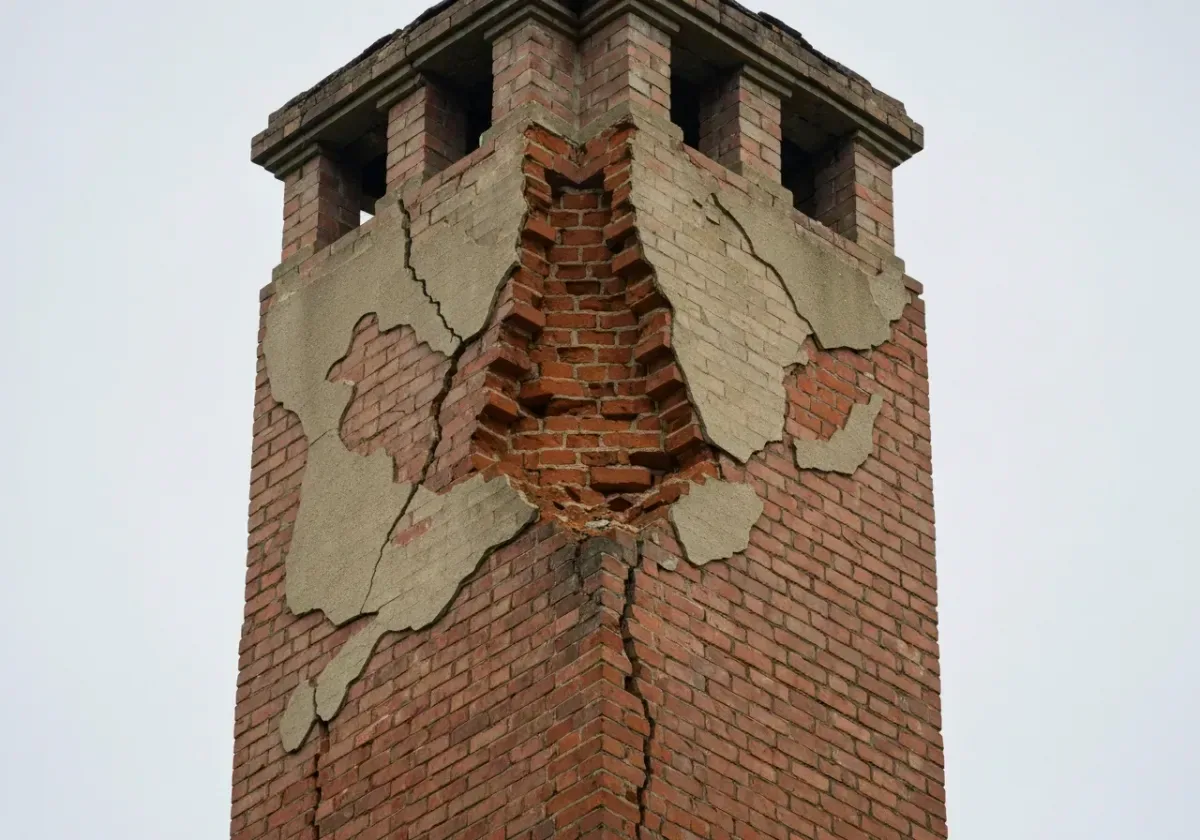
Illustrations of what each repair changes on a typical chimney — not photos of a specific job.
 Before
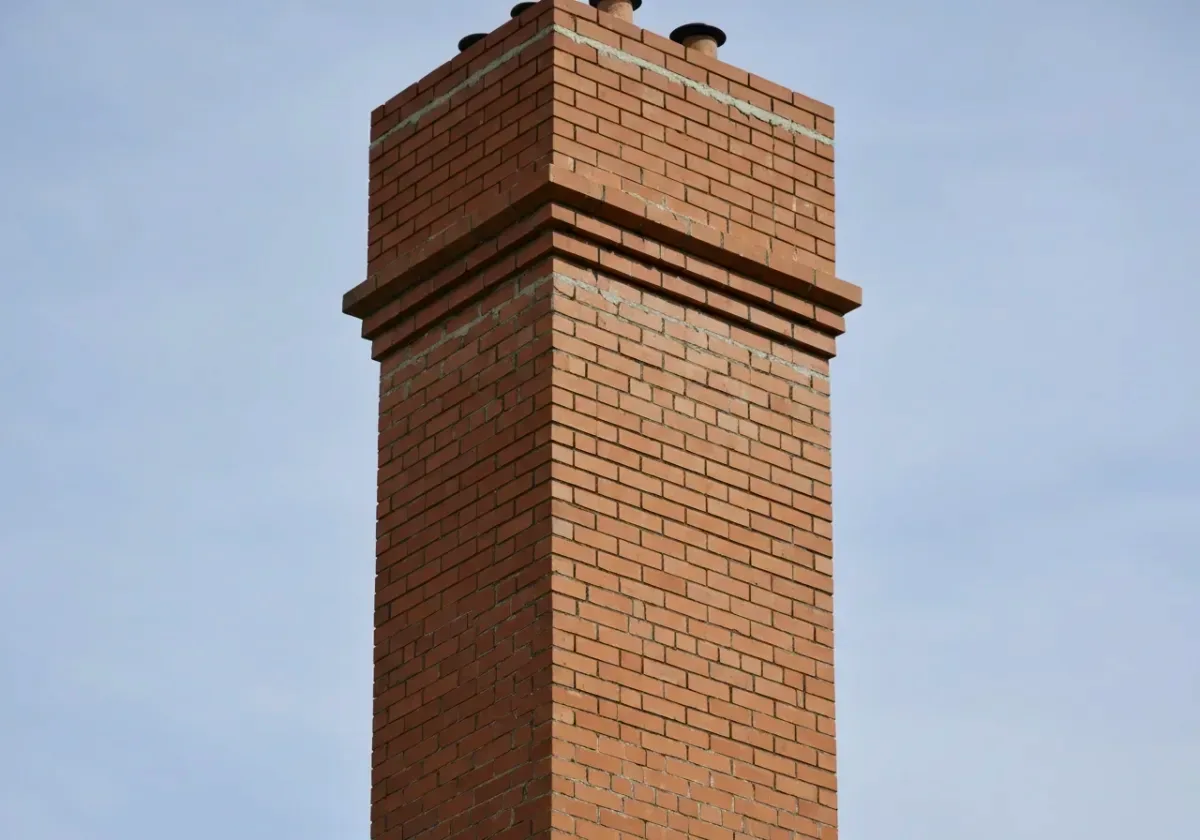 After
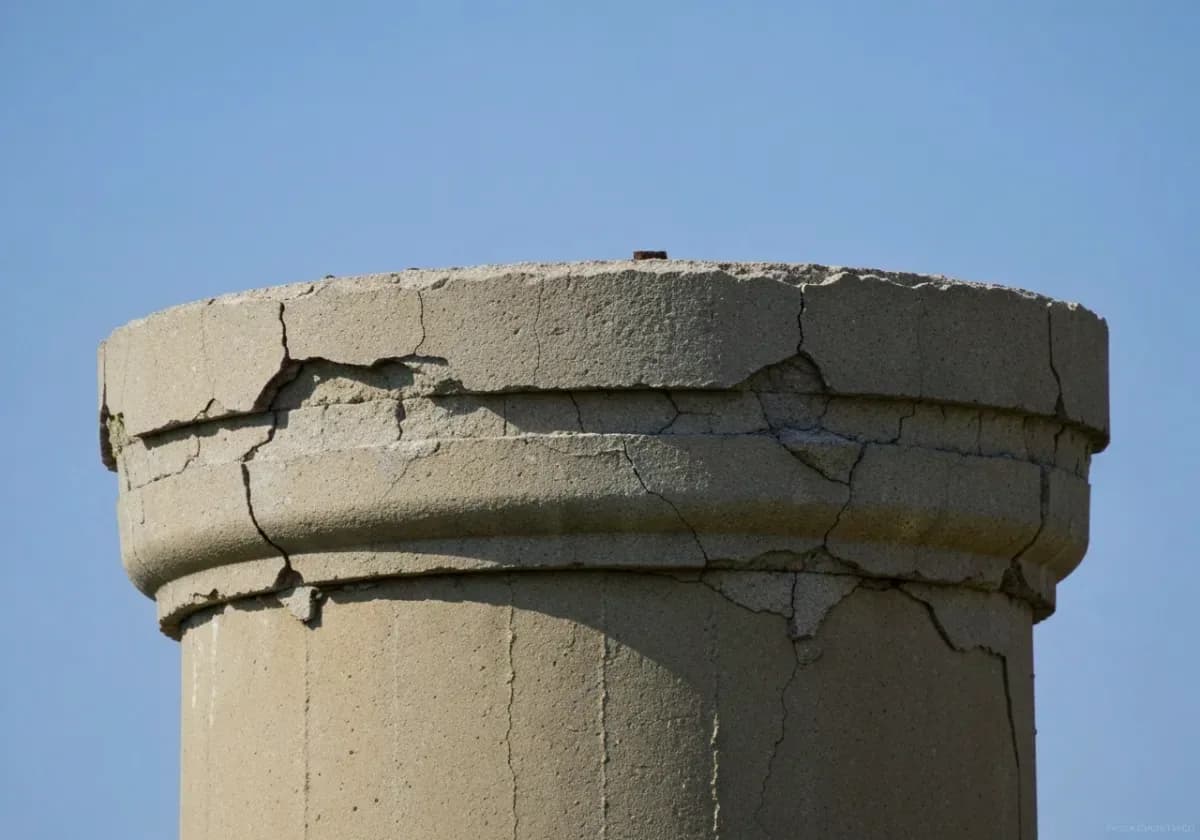 Before
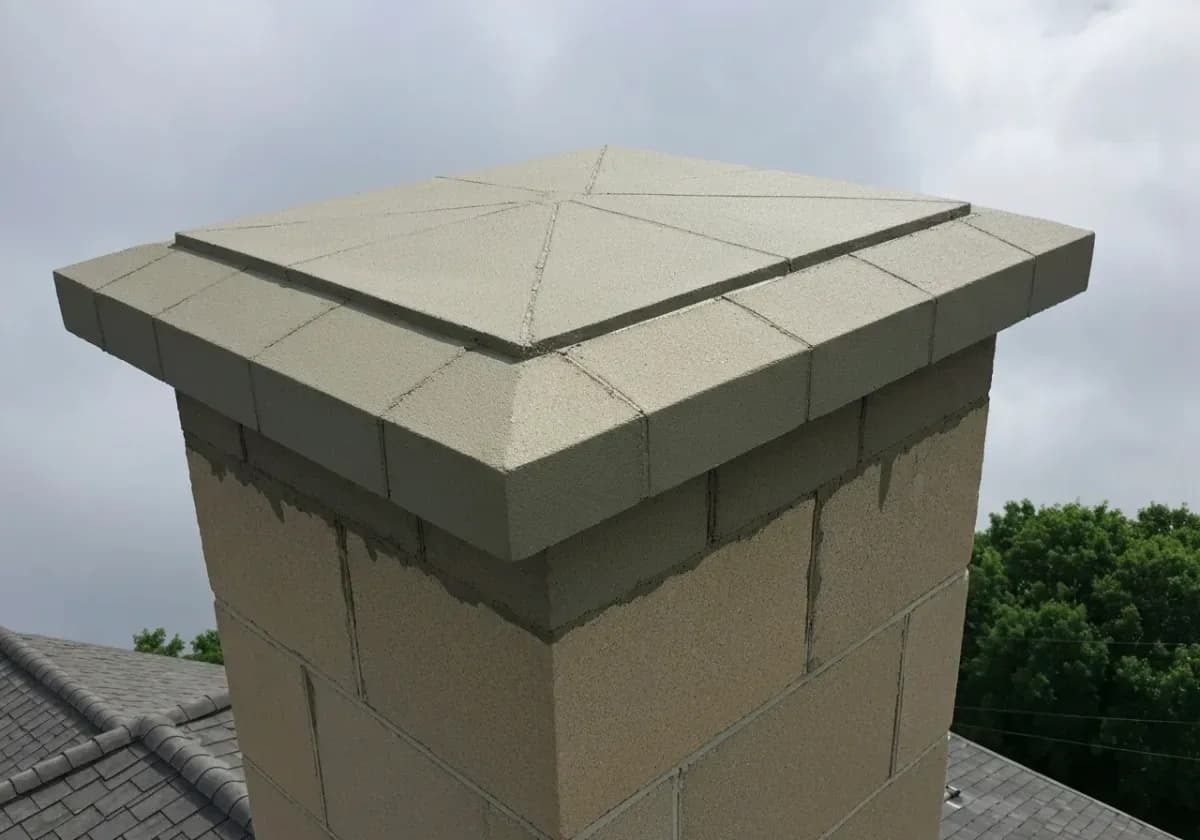 After
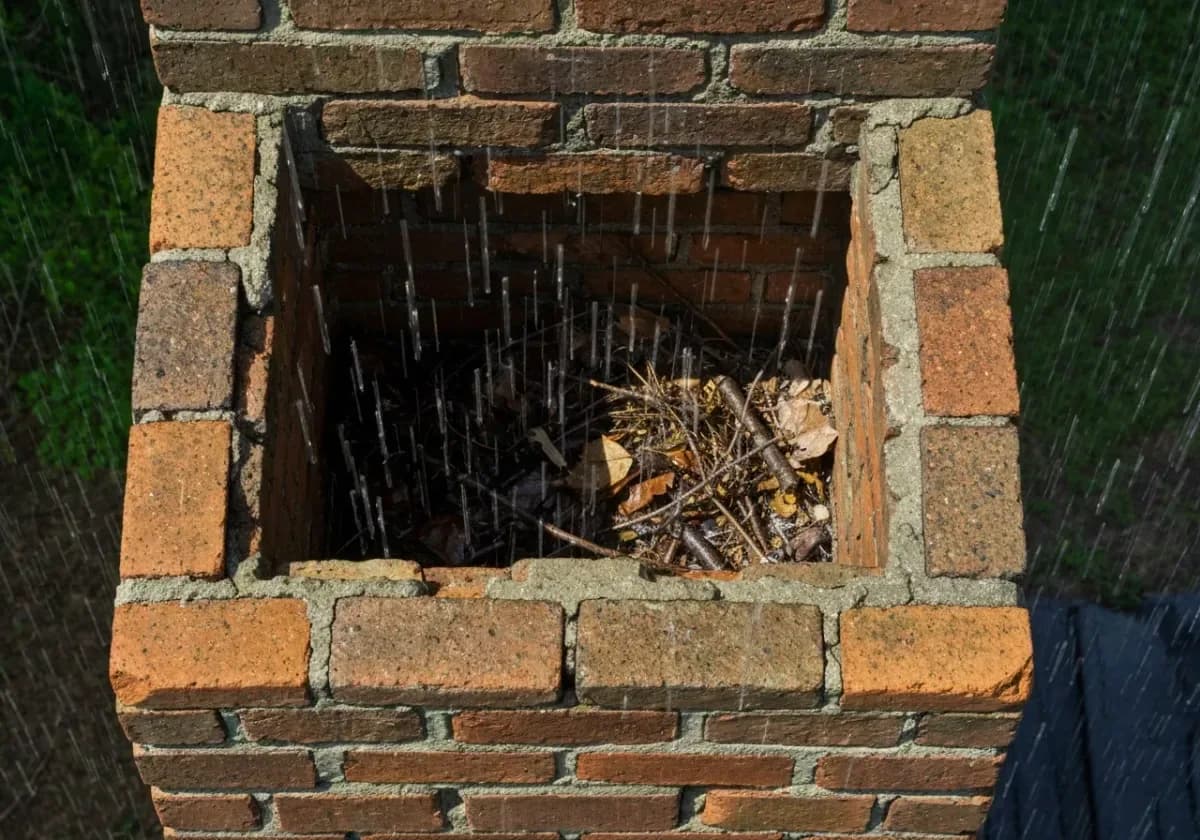 Before
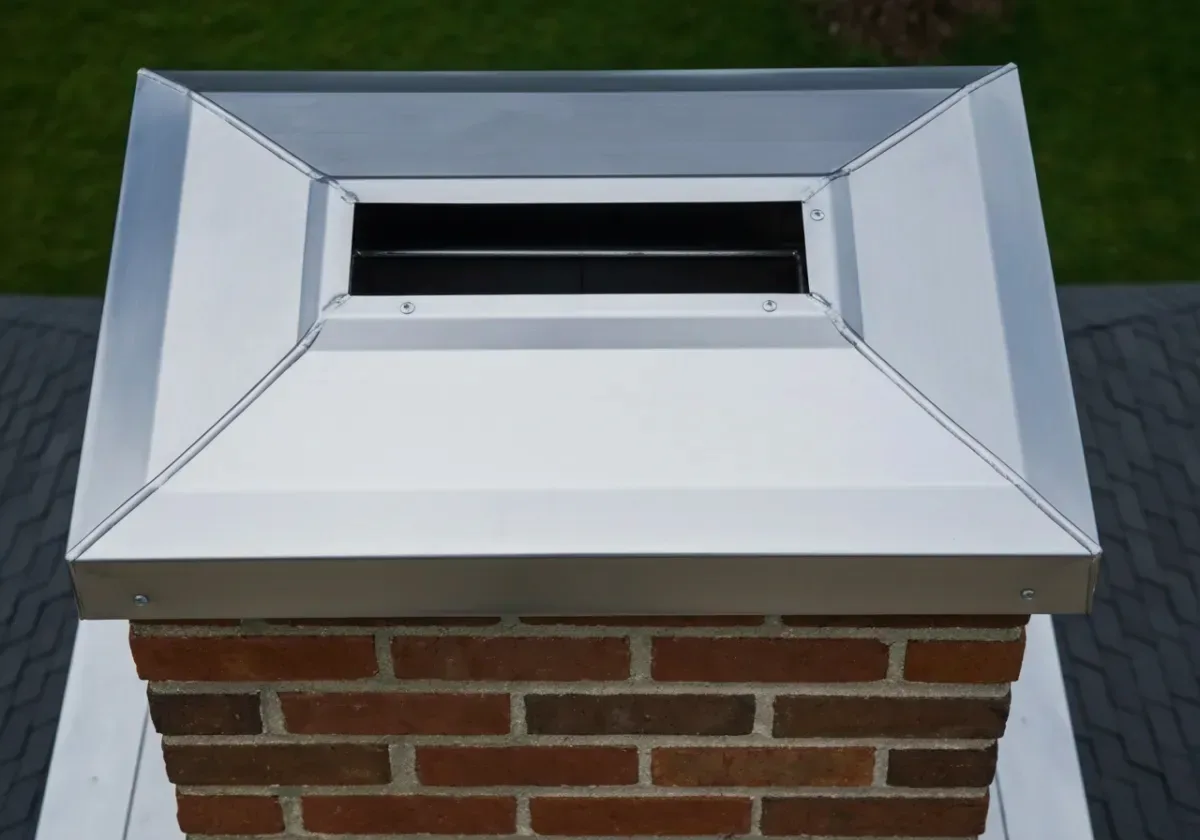 After

Four steps, each one on paper — so you always know what happens next.
Choose a genuine opening on the crew's calendar. Confirmation is immediate.
Liner, crown, cap, flashing and masonry examined in order — each finding photographed.
One document, plain numbers, covering only the work your chimney genuinely needs.
The repair is completed, then handed over with before-and-after photos of every item.
$99 plus tax for each chimney, with a camera in the flue and a written report. Say yes to our repair or service quote and those $99 come off its total; say no, and the fee simply pays for the visit.
Yes. Steep access changes how we stage a job and sometimes what it costs, so we look at the roof and the approach during the inspection and price it then, not on the day.
Not by itself. The city's study maps where slides have happened, not the state of any one house. A chimney is a good early indicator of movement, though, and we note any lean or separation we see.
Only when no air quality burn ban is in force. The Puget Sound Clean Air Agency declares them, mostly in cold, still weather, and posts the status online.
Choose a genuine opening on the crew's calendar. We inspect, quote in writing, and hand over a photo record of every repair.