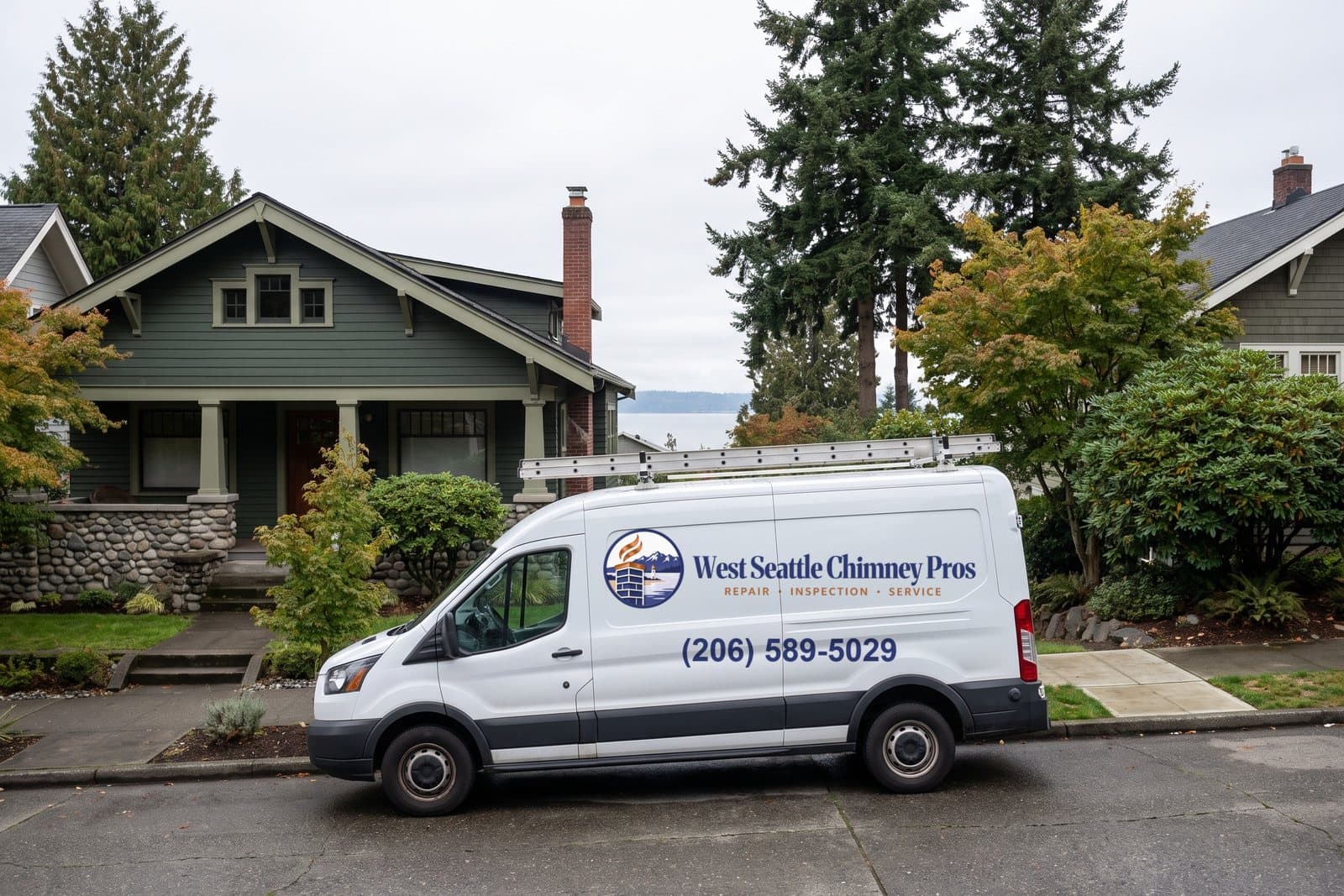
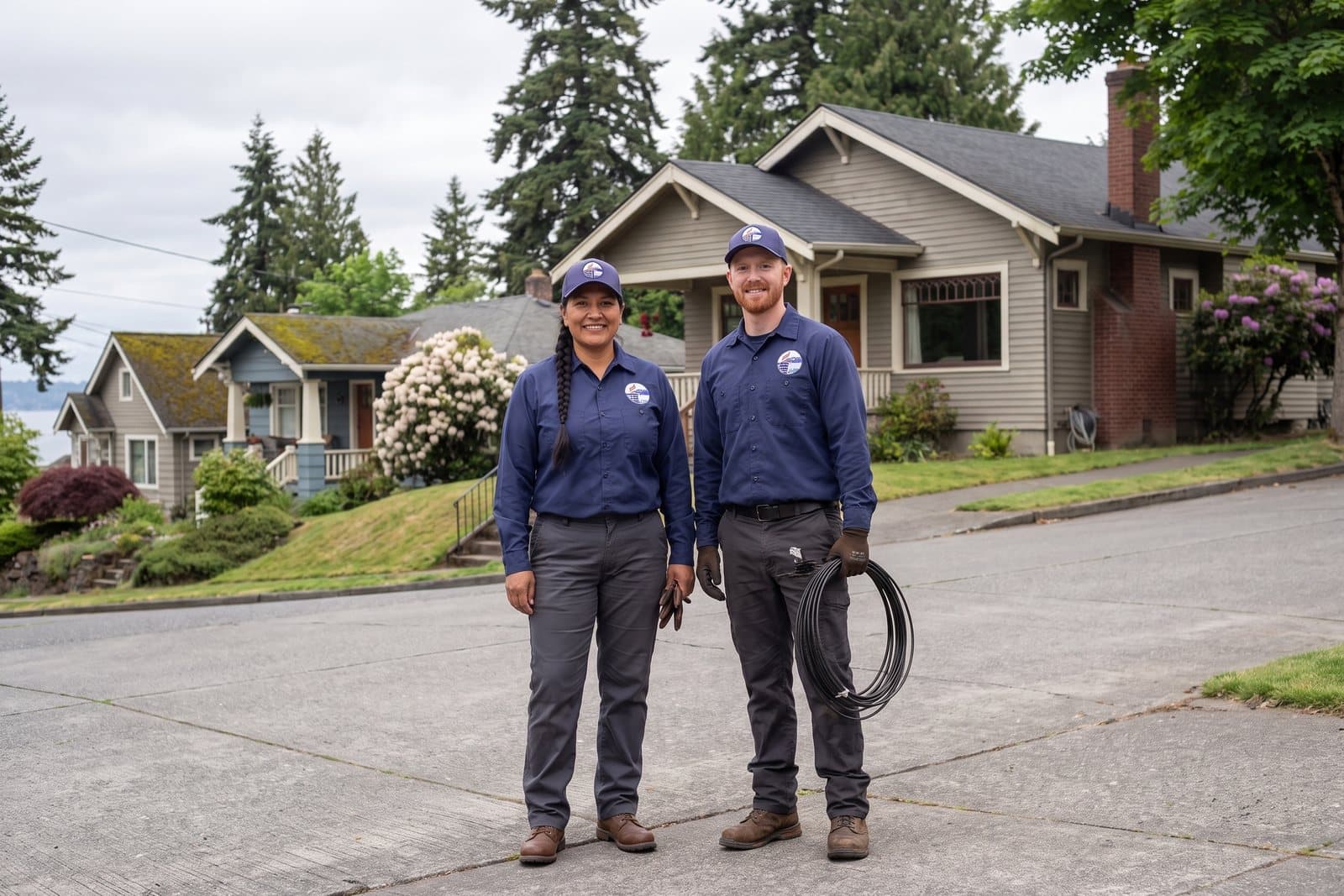
The Junction, King County
The Junction is where West Seattle goes shopping, eats out and catches the bus, and it is easy to forget that the blocks around California Avenue SW and SW Alaska Street are also an old residential neighborhood. Its houses and storefronts went up over more than a century, through a streetcar boom, a postwar wave and a recent burst of new building. Each of those periods left chimneys behind that were built to different habits. This page collects what public records say about the place, with the source named each time, so you can follow how we size up a chimney here.
Book an inspection
Book your $99 inspection
$99 plus tax, deducted when you approve the repair
Not sure where to start
Pick what you're seeing at your The Junction home — we'll point you to the right fix.
What we do
The same crew, the same written quote — for The Junction homes.
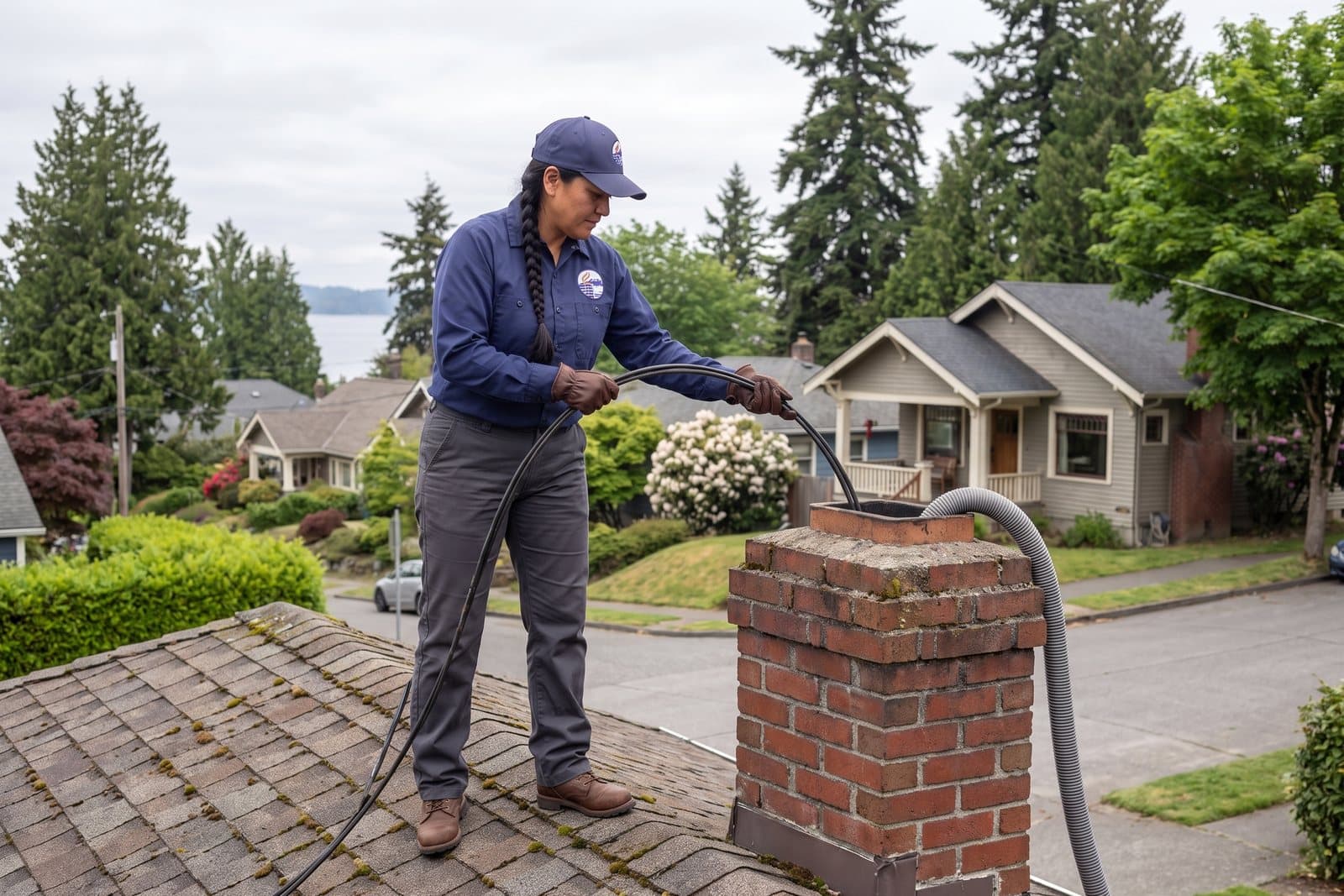
Full-height brushing of the flue with a head sized to its shape and material
Learn more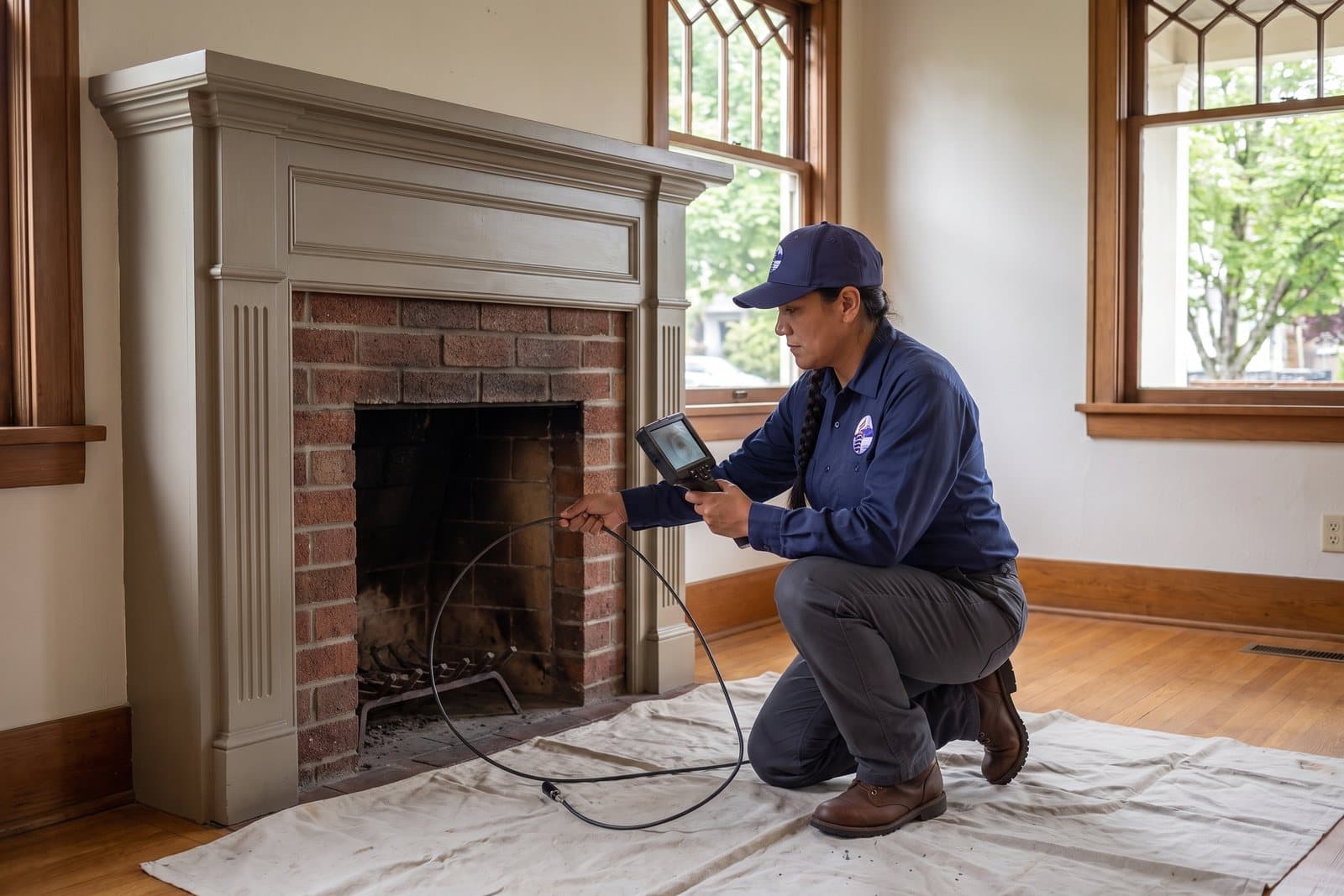
Level 1 examination of everything reachable, with a Level 2 camera pass when the reachable parts leave a question open
Learn more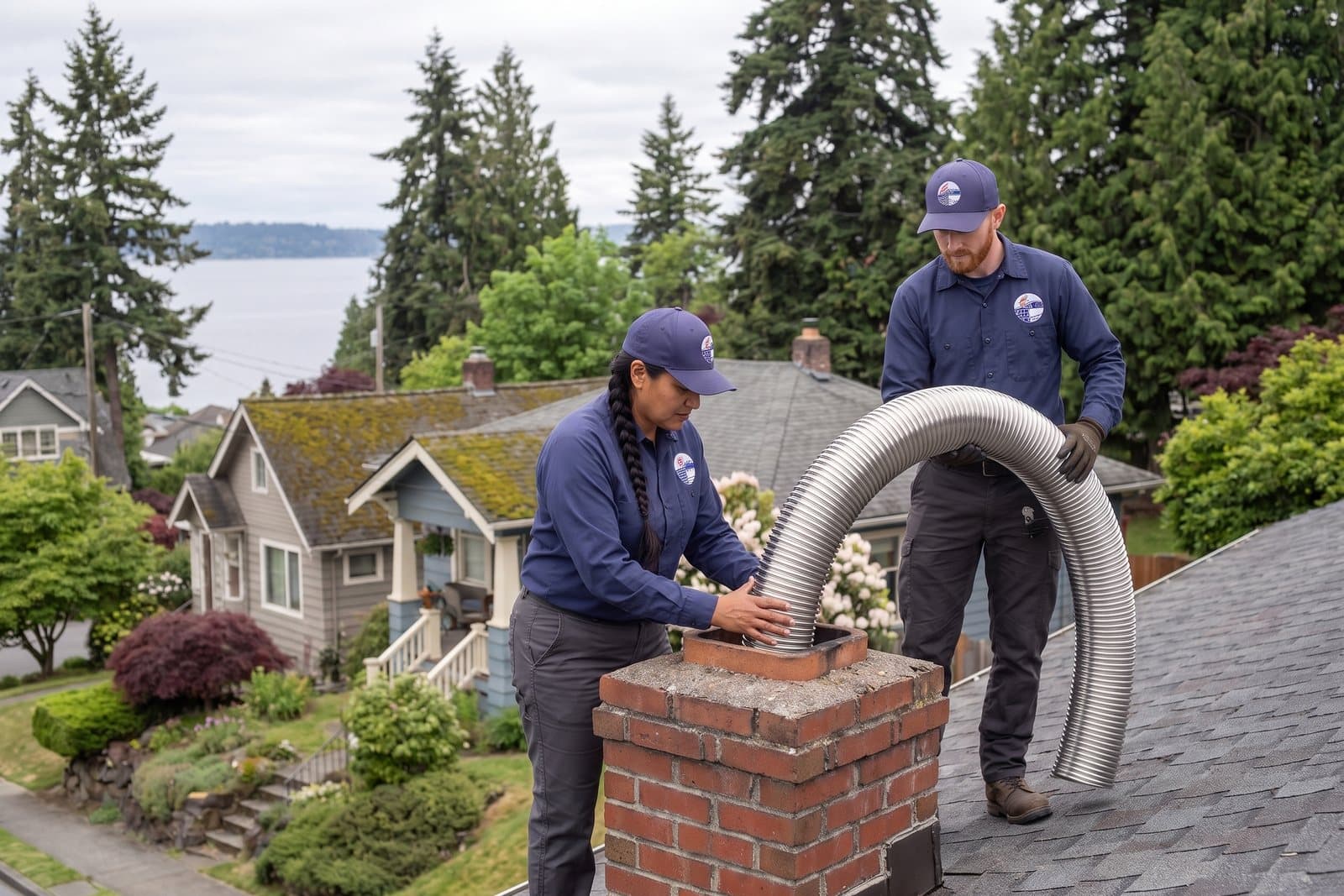
Camera survey and measurement of the existing flue before anything is ordered
Learn more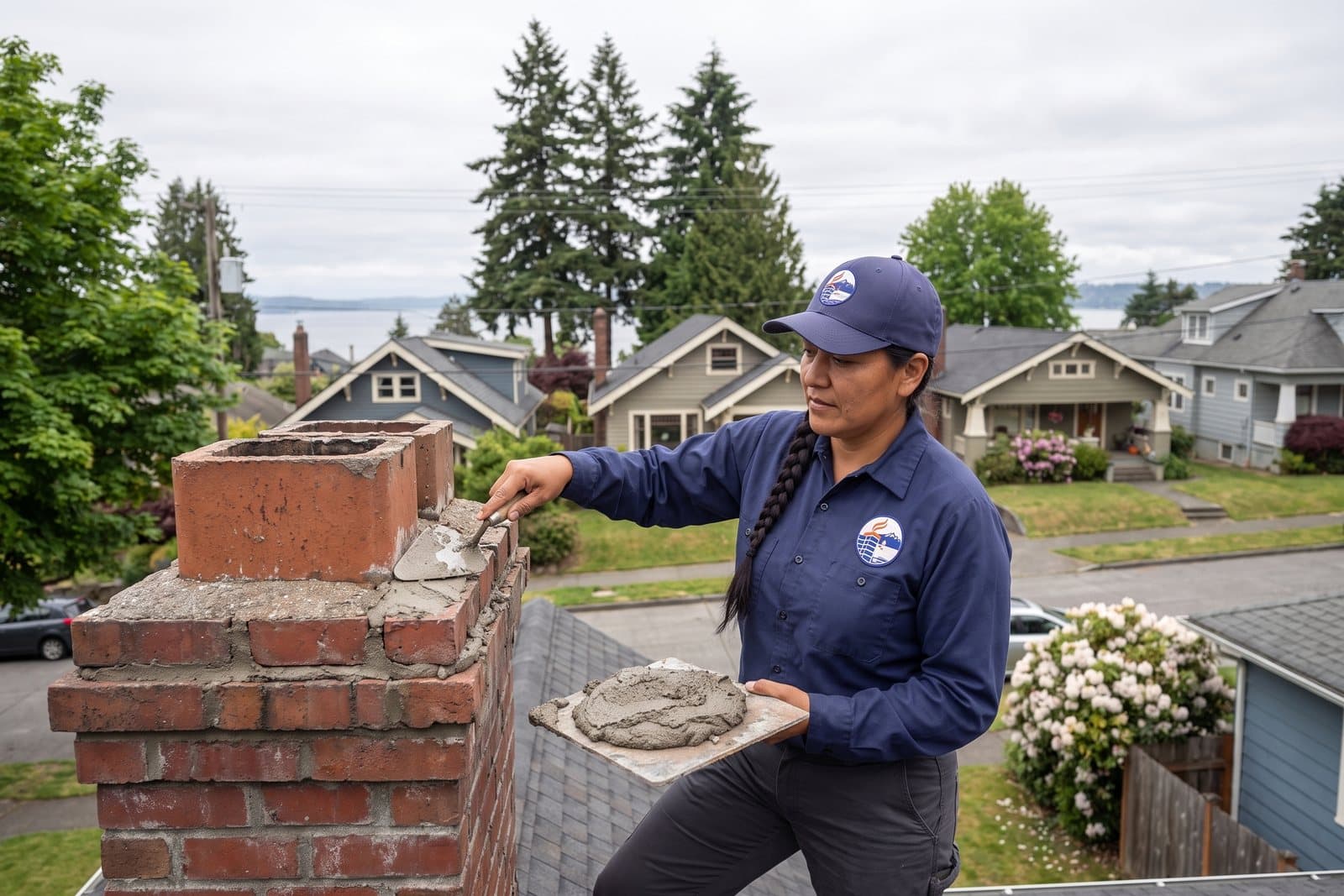
Assessment of the stack from roofline to crown, with a photo of each defect
Learn more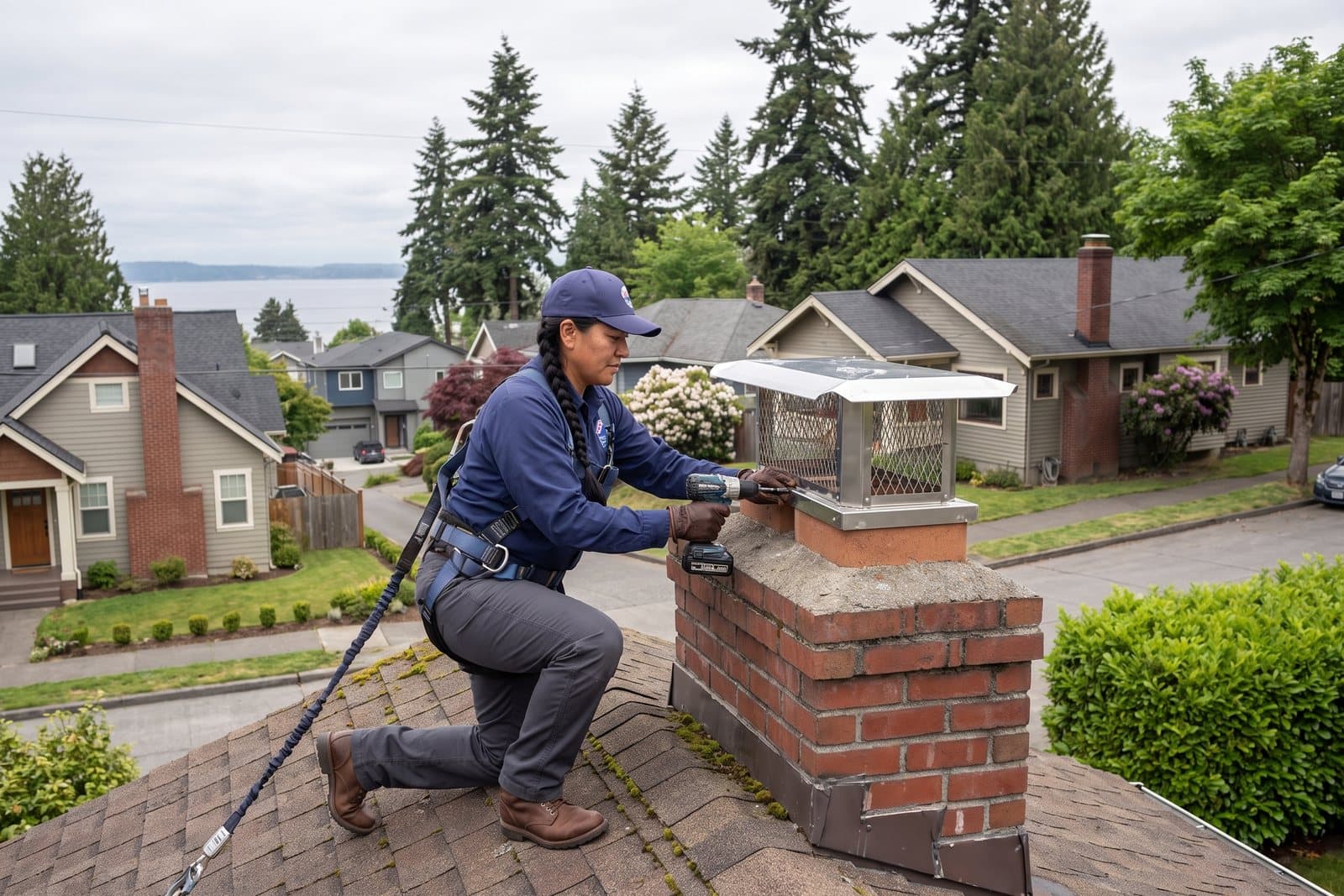
Measurement of each flue tile, or of the whole crown for a multi-flue cap
Learn more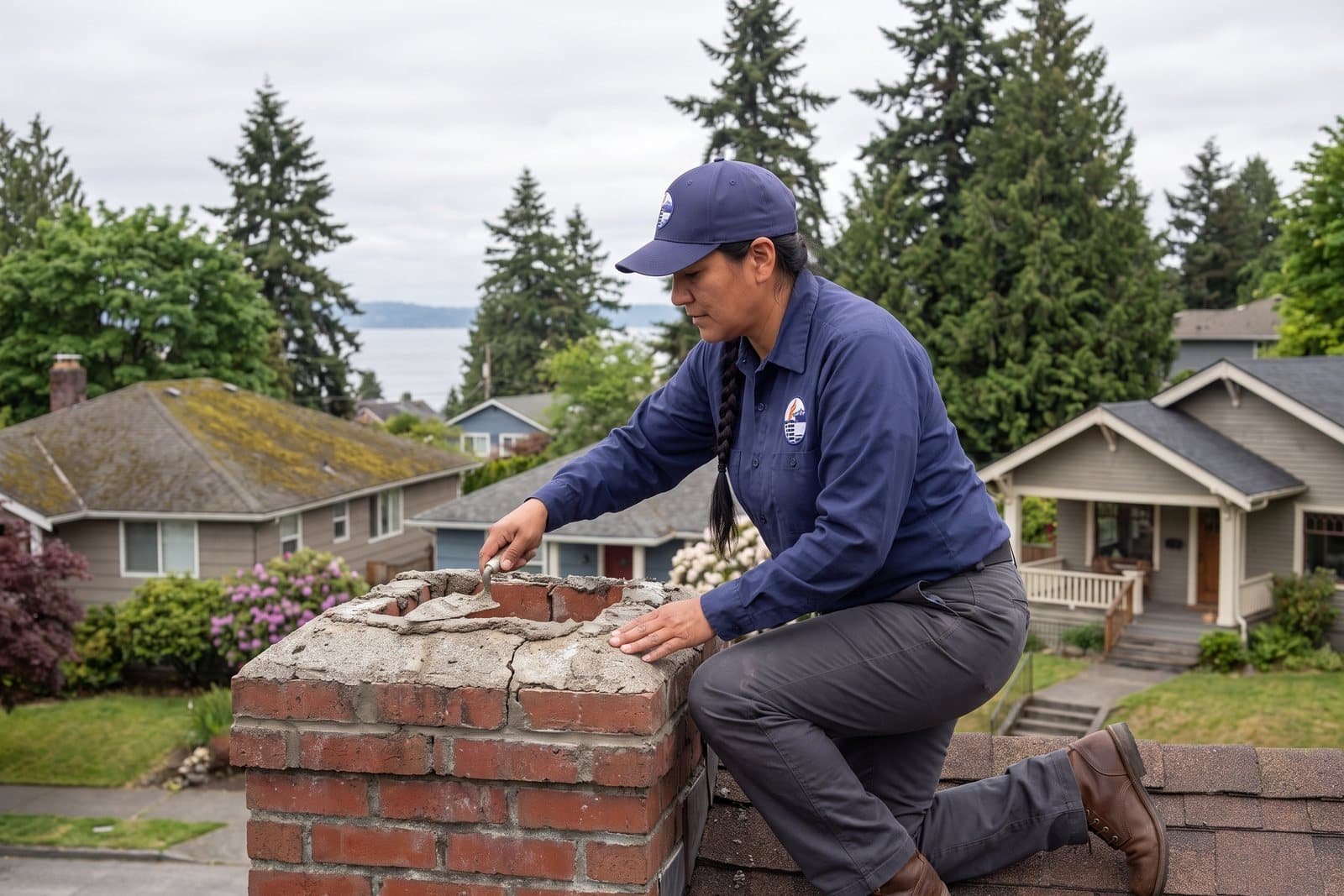
Joints cut back to firm mortar and repointed (tuckpointing) to match the existing profile
Learn more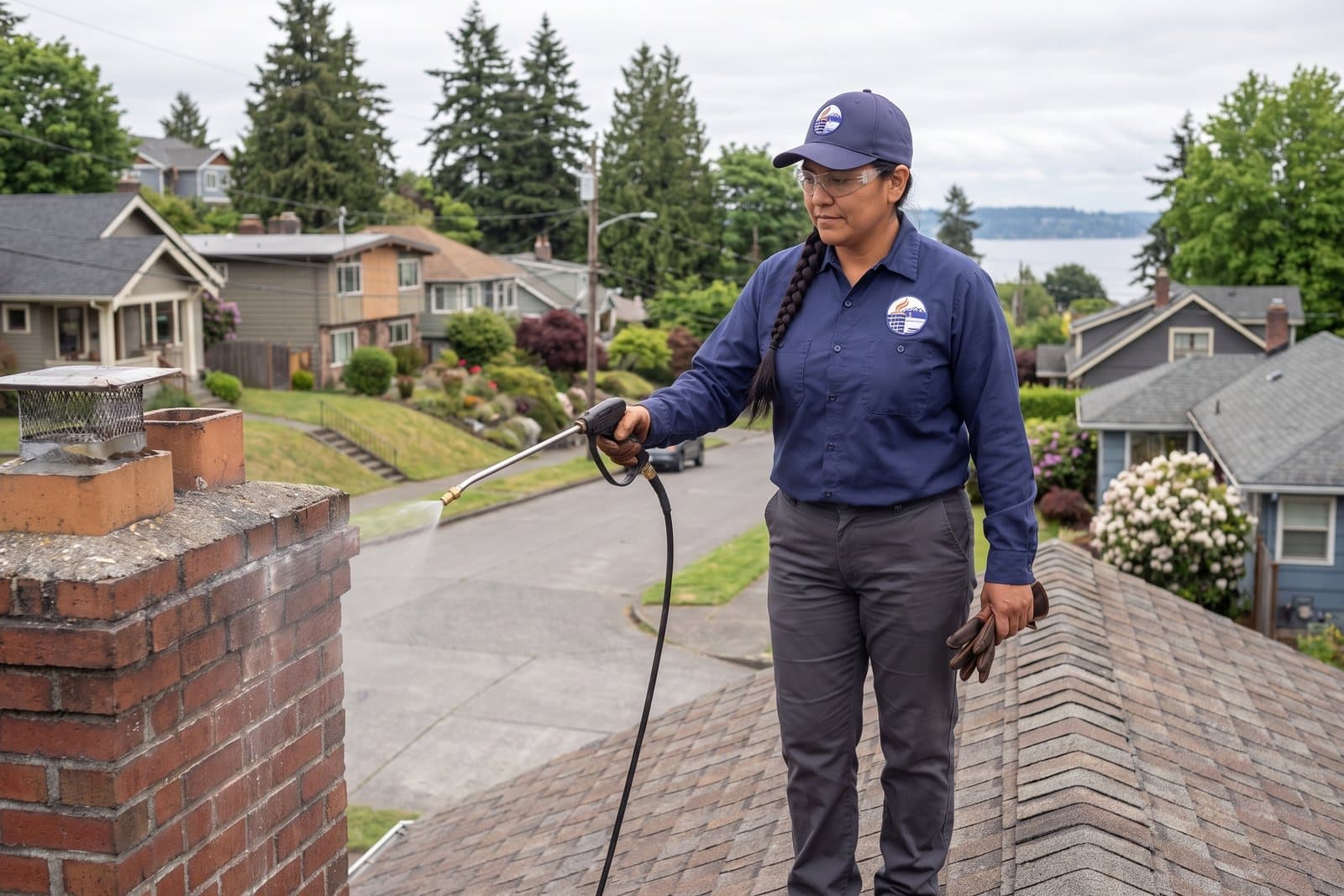
A check of joints, crown and flashing first; defects are repaired before any treatment
Learn more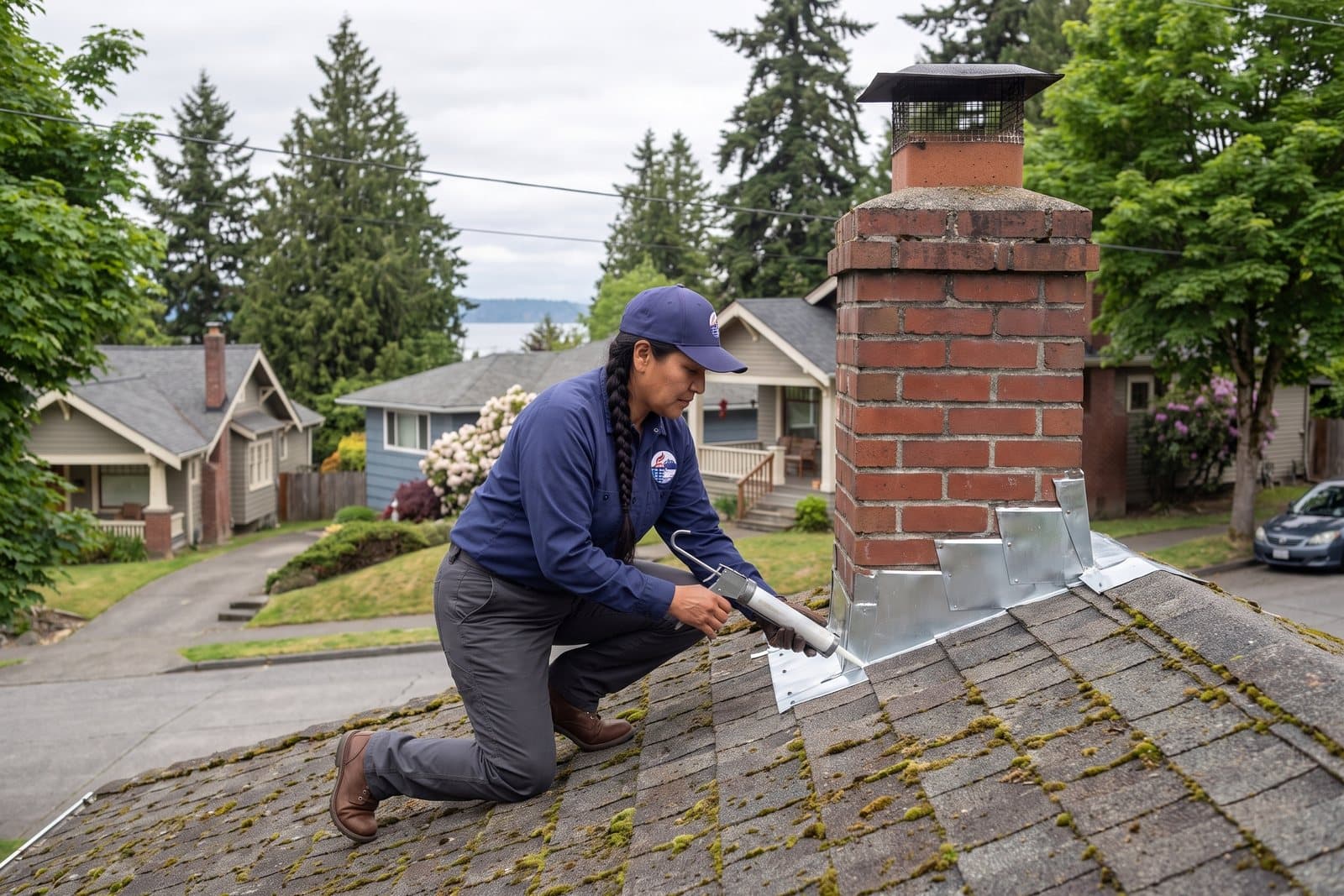
Leak tracing from the attic or the ceiling stain up to the roof
Learn more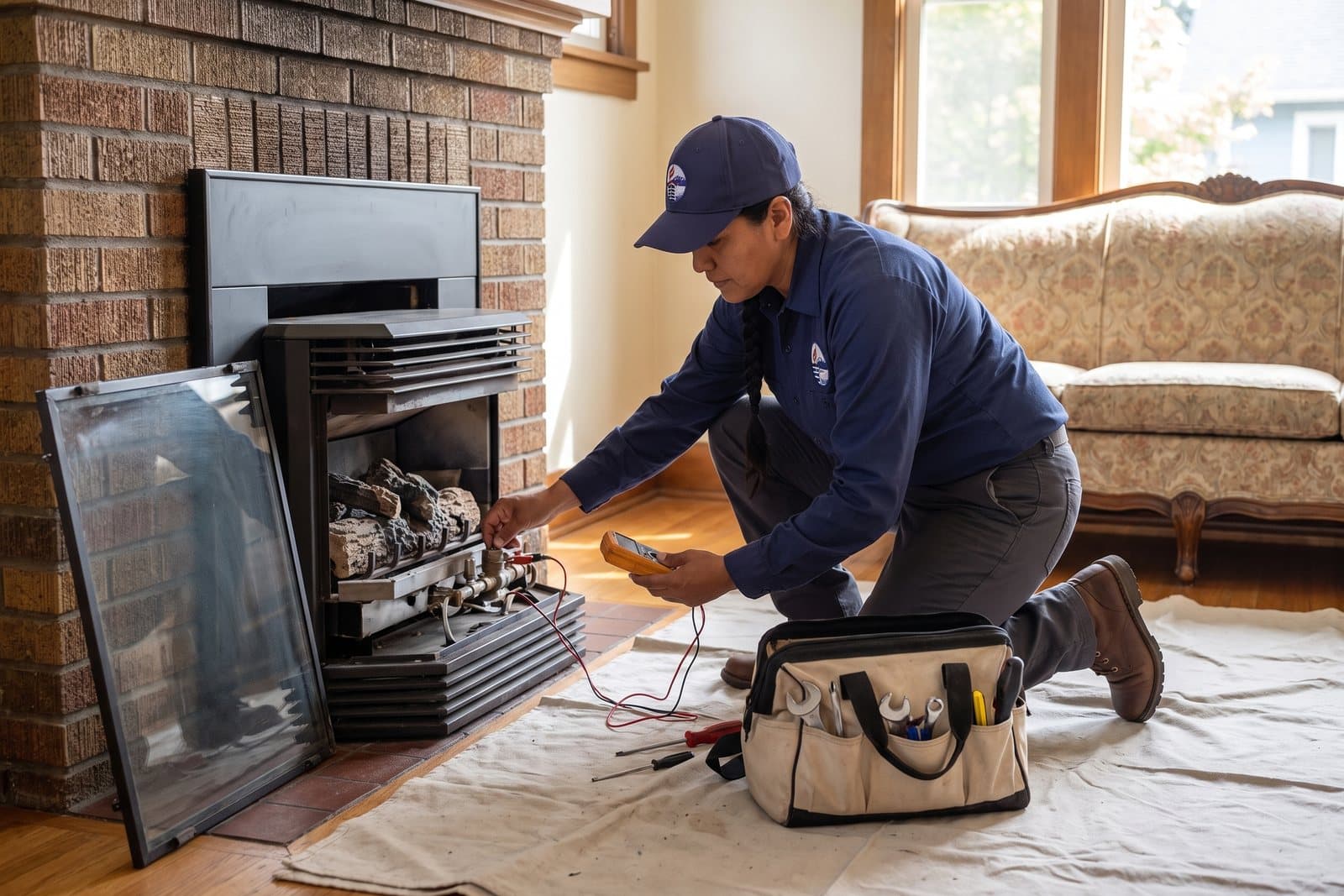
Burner, pilot assembly and firebox cleaned; logs or media put back in the layout the manual shows
Learn more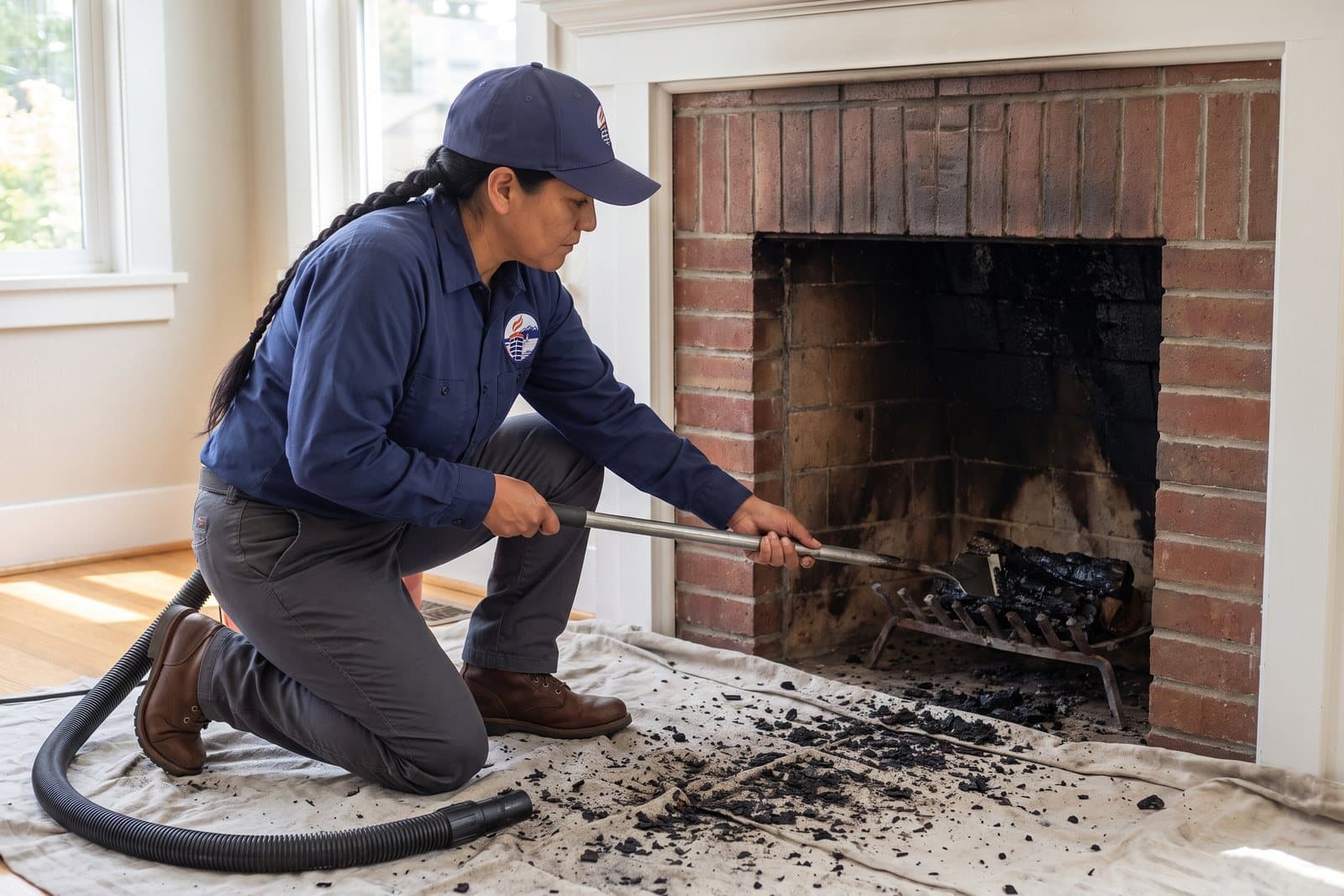
Camera survey to grade the deposit and check the liner beneath it
Learn more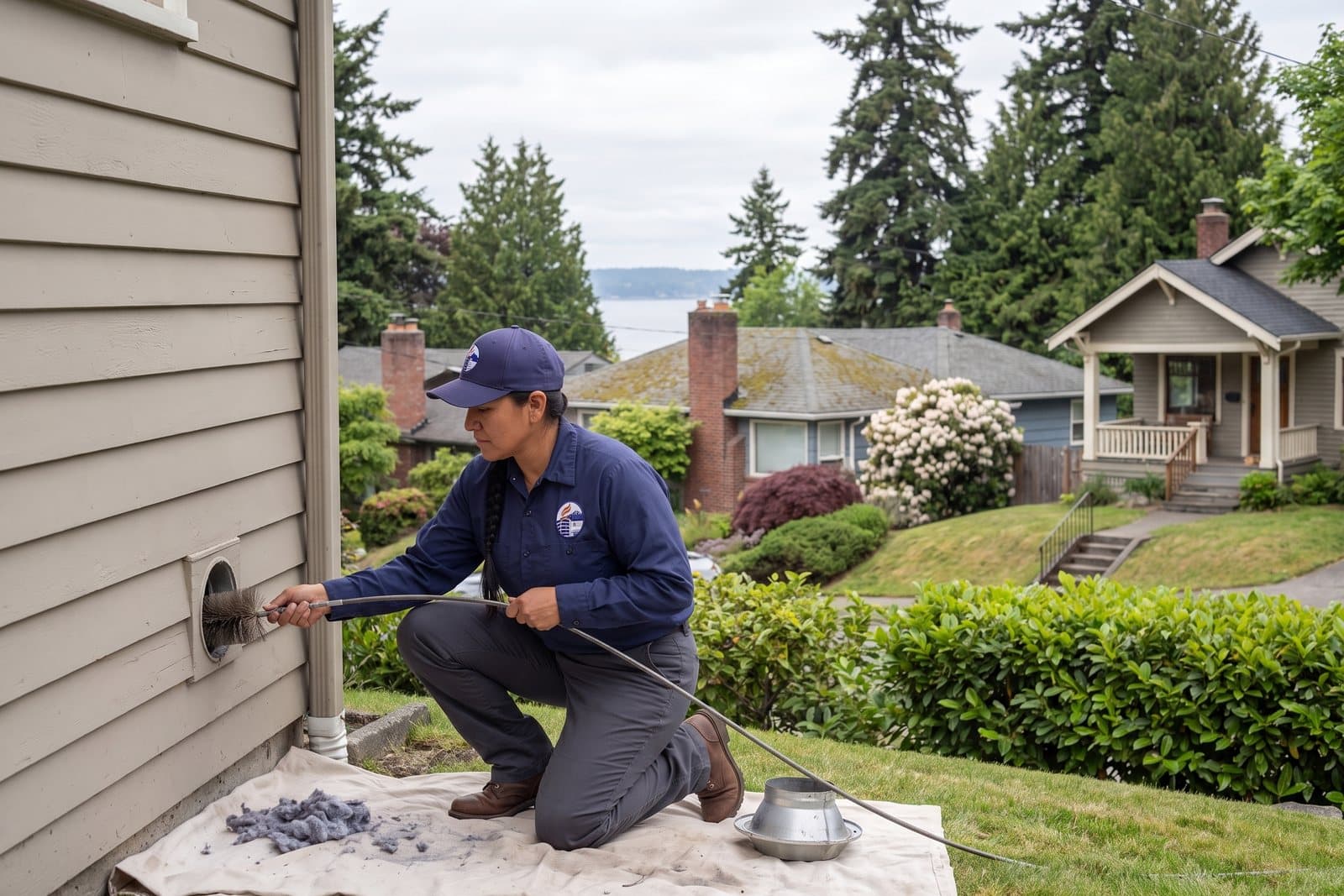
Dryer pulled out; the transition duct inspected, and replaced if it is plastic, thin foil or crushed
Learn more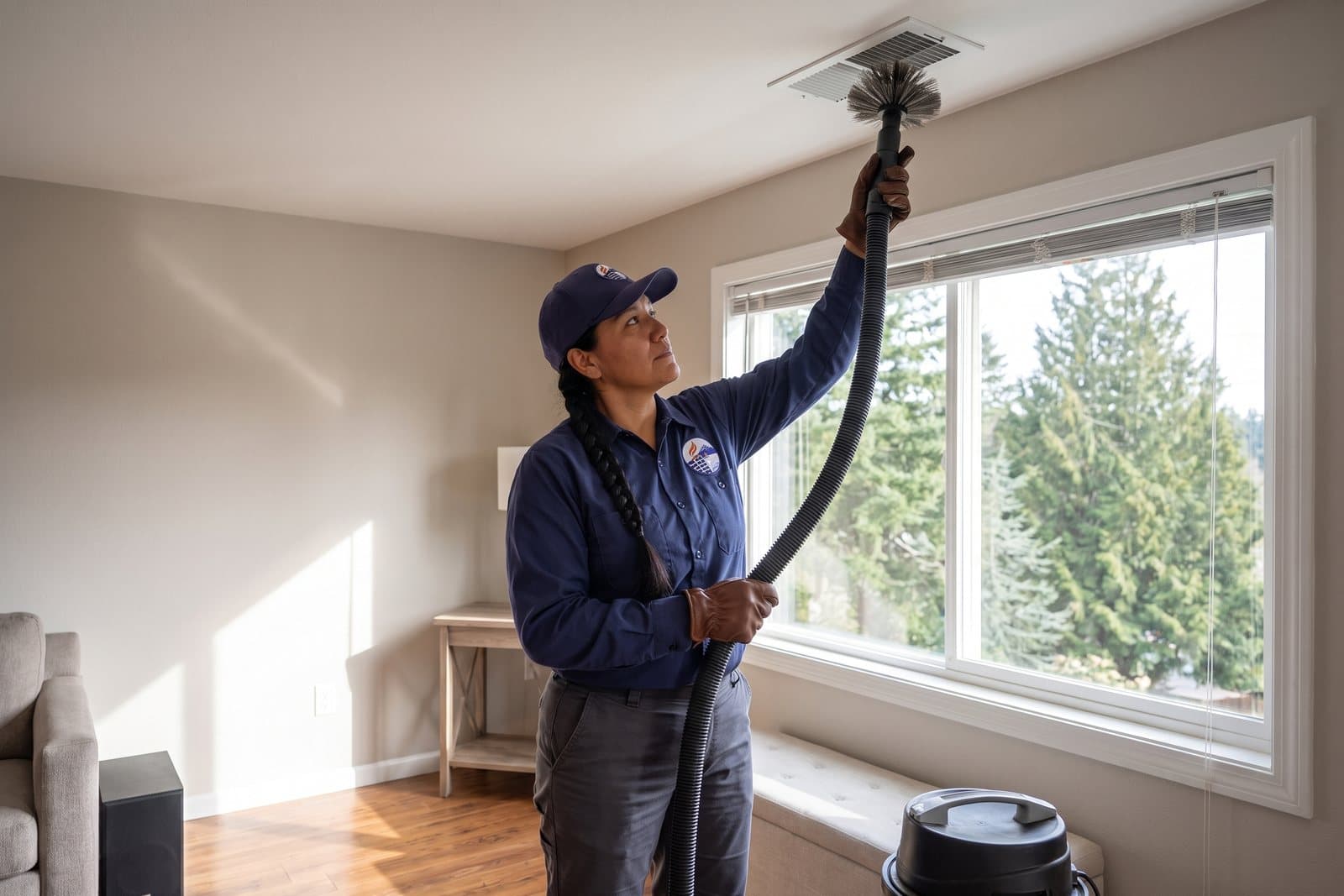
Inspection of the furnace, the plenum and a sample of ducts before any work, with photos
Learn moreRanges shown for orientation — the exact figure is written up on-site, after the inspection.
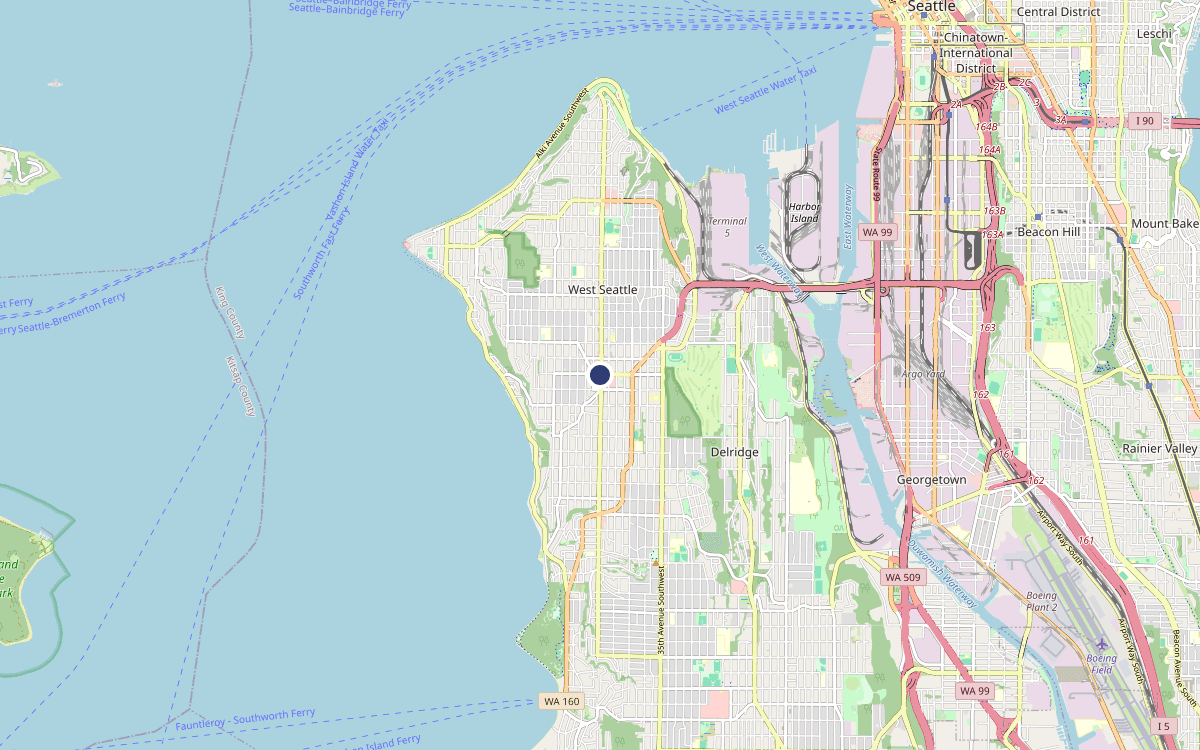
Service-area map — The Junction, Seattle. Map data © OpenStreetMap contributors.
Seattle's 2002 survey of neighborhood commercial districts calls West Seattle historically the most isolated and independent part of the city, shaped first by ferries, then by streetcars, then by bridges and highways. The Junction is the product of the streetcar years: its name comes from the meeting of two lines at California Avenue SW and SW Alaska Street, and it grew into the peninsula's commercial center. The Census does not report at the scale of a neighborhood, and the Junction sits where three Census ZIP code areas meet, so housing figures below describe those wider areas and never the Junction alone.
The streetcar was a civic project before it was a private one. Having voted itself a town in 1902, West Seattle upgraded its charter two years later precisely to borrow for rails, and three days after Christmas 1904 it opened a mile of electric line that HistoryLink believes was the nation's first city-owned system. In April 1907 two lines were joined at California Avenue and what was then 9th Street, now SW Alaska, on ground HistoryLink describes as boggy woodland until then.
The city's commercial survey is blunter: in 1907 the spot was a swamp, with no roads south of Lander Street and a few real estate offices for company. Lots sold fast anyway. That June, West Seattle voted to join Seattle. A landmark nomination for a nearby house says that by 1911 the crossing had grown enough, in homes and in shops, to be known simply as the Junction.
Masonry came early. A building at 4400 California Avenue SW, put up in 1910 by the Seattle Lighting Company and later a funeral chapel, is in the city survey's words probably the oldest brick commercial building in West Seattle. The Campbell Building followed in 1918, and the Hamm Building in 1926, the pair anchoring the corners that the survey ranks among Seattle's finest for ornate terra cotta.
The 1920s were the busiest decade. HistoryLink records the Granada Theatre opening on July 23, 1926 before a crowd of more than 2,500, and talking pictures arriving there on May 23, 1929, a first for West Seattle. Firefighting had come a dozen years earlier, in the spring of 1914, when the district's first hose company set up on SW Alaska Street a short way west of the crossing with a wagon drawn by horses.
The car lines that had made the Junction were shut down in 1940 and replaced by buses and trackless trolleys. Merchants answered the pull of suburban malls by forming Trusteed Properties in 1960, which opened three customer parking lots in 1962 and a fourth by 1967. In March 1986 the City Council voted 5 to 4 to allow 85-foot buildings along California Avenue, where most of what stood was about 35 feet tall.
Seattle's Comprehensive Plan of the mid-1990s named the Junction an urban village, a step HistoryLink connects to a 1995 push for West Seattle to secede. Eleven murals painted in 1991 recall the streetcar crossing of 1918 and a horse-drawn fire wagon. By 2008, HistoryLink reported, projects under way were expected to add about 1,000 residents.
No public record counts chimneys in the Junction or says what they are made of, and we do not guess from a street address. What the history does tell us is that a single block here can hold a hearth from the streetcar years, a furnace flue from the 1950s and a direct-vent appliance from last decade. Each one fails in its own way, so we start every visit by finding out which kind of chimney we are standing next to.
Three deep earthquakes, in 1949, 1965 and 2001, damaged unreinforced brick chimneys throughout the Seattle area, and USGS authors writing after the last one noted concentrated pockets of damage in West Seattle in each. Seattle's 2017 URM policy report draws the national comparison: no other American city has logged masonry-building damage from three distinct quakes, and here all three fell within a span of 73 years.
After 2001, the EERI reconnaissance team found that wood-frame houses generally came through well, with damage mostly limited to chimneys, while pre-1950 unreinforced masonry suffered most, commonly dropping brick from parapets and chimney tops. The Junction's core is brick of the 1910s and 1920s. Where a nearby house has a brick chimney of the same age, it was most likely laid the same way, without steel. That is why we treat any felt earthquake as a reason to look at an older chimney here, inside the flue as well as at the top.
West Seattle holds more than a dozen designated Seattle landmarks, clustered along California Avenue SW and the western waterfront, according to a 2023 landmark nomination; across the city more than 400 have been designated since 1973. Two are at the heart of the Junction: the Campbell Building at 4554 California Avenue SW and the Crescent-Hamm Building at 4302 SW Alaska Street. Outside work on either of them waits for a Certificate of Approval from the city's neighborhoods department, even in cases where SDCI would issue no permit at all.
For ordinary houses, Seattle's residential code exempts some chimney work from a building permit. Section R105.2 names repointing, as long as the building envelope stays unchanged, and covers small repairs whose value stays under a set ceiling over six months without touching anything load-bearing. Bigger jobs are checked with SDCI before we quote them.
The 1940s and 1950s rebuilt the approaches to the Junction. A 1943 viaduct linked the Spokane Street bridge straight to California Avenue at Admiral Way, and in the 1950s the Fauntleroy Expressway carried traffic to Fauntleroy Way and the Junction, the city's commercial survey explains. It contrasts the low, pre-automobile storefronts of California Avenue with the larger buildings fronted by parking east along Alaska Street and Fauntleroy Way, redeveloped once the expressway existed. Southeast of the district, Fairmount Park school opened in 1955 as portables and got its brick building in 1964, HistoryLink notes.
The housing record points the same way. The three Census ZIP code areas that meet at the Junction have median build years of 1960, 1965 and 1974, against 1976 for Seattle as a whole. A house of that vintage may vent a furnace or water heater through a chimney as well as a fireplace, and a flue sized for one appliance may not suit whatever replaces it. When a furnace, water heater or fireplace insert changes, we look at whether the old flue needs a liner sized to the new appliance.
The grid we quote from for The Junction homes — the $99 inspection comes first, the written quote before any work.
| Service | Price in The Junction | What that covers |
|---|---|---|
| Chimney Sweep | $189–$449 | Full flue swept, Level 1 inspection included |
| Chimney Inspection | $99 plus tax | Level 1 visual; Level 2 adds a full camera scan |
| Chimney Relining | From $1,900 | Full-length stainless liner, sized to the appliance |
| Chimney Repair | From $425 | Masonry repair — brick and mortar, scoped after diagnosis |
| Chimney Cap Installation | $235–$850 | Stainless cap fitted; multi-flue and custom at the top |
| Masonry Repair (Crown / Repointing) | From $475 | Crown work, repointing and tuckpointing by surface area |
| Chimney Waterproofing | $320–$795 | Breathable sealer — reapplied every 3–5 years in this climate |
| Chimney Flashing Repair | $375–$1,500 | Reseal at the low end, full flashing replacement at the high |
| Gas Fireplace Service | $189–$475 | Annual service and tune-up; repairs quoted after diagnosis |
| Creosote Removal | From $245 | Priced by creosote stage — glazed stage 3 is the heavy end |
| Dryer Vent Cleaning | $105–$295 | Full run cleaned; roof or upper-floor terminations at the top |
| Air Duct Cleaning | From $535 | Whole HVAC system — trunks, branches and every register |
Ranges are what these jobs are quoted at in The Junction. The exact figure is set on site after a $99 inspection (credited toward the job if you go ahead), and you approve it before any work starts.
Before and after
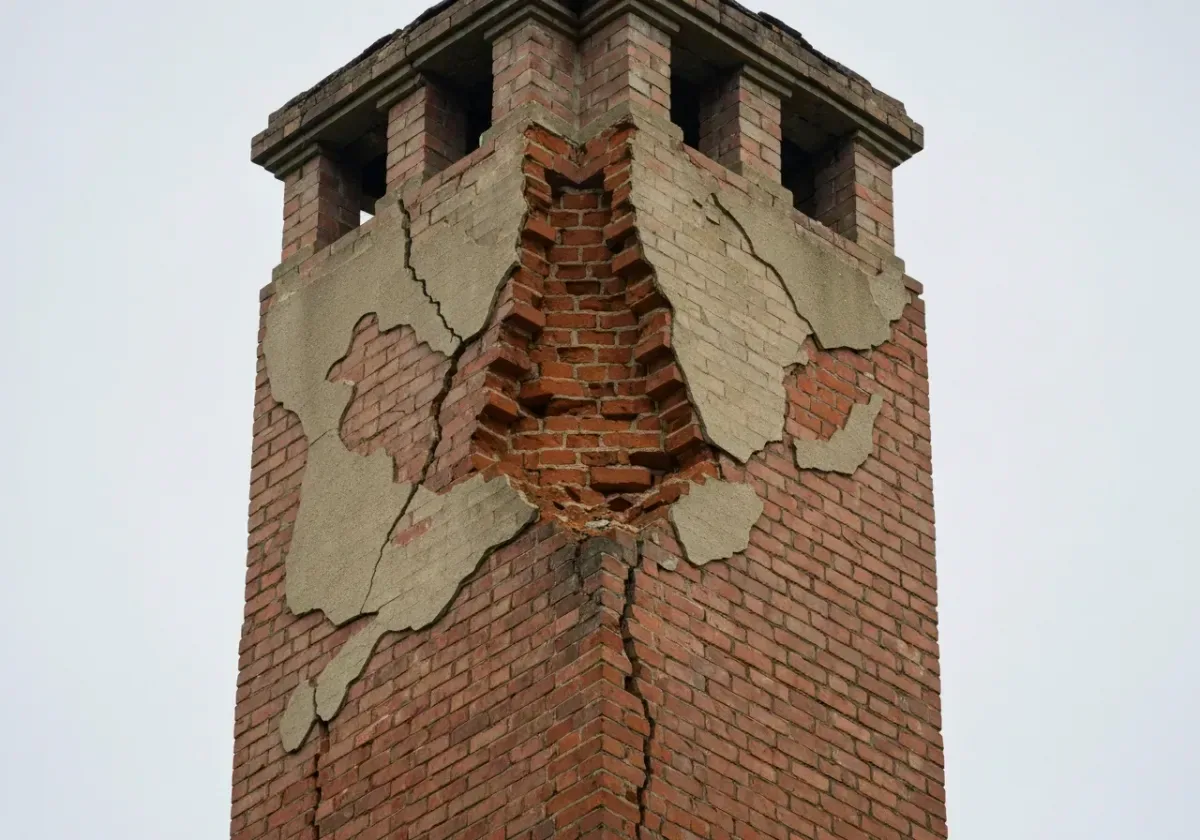
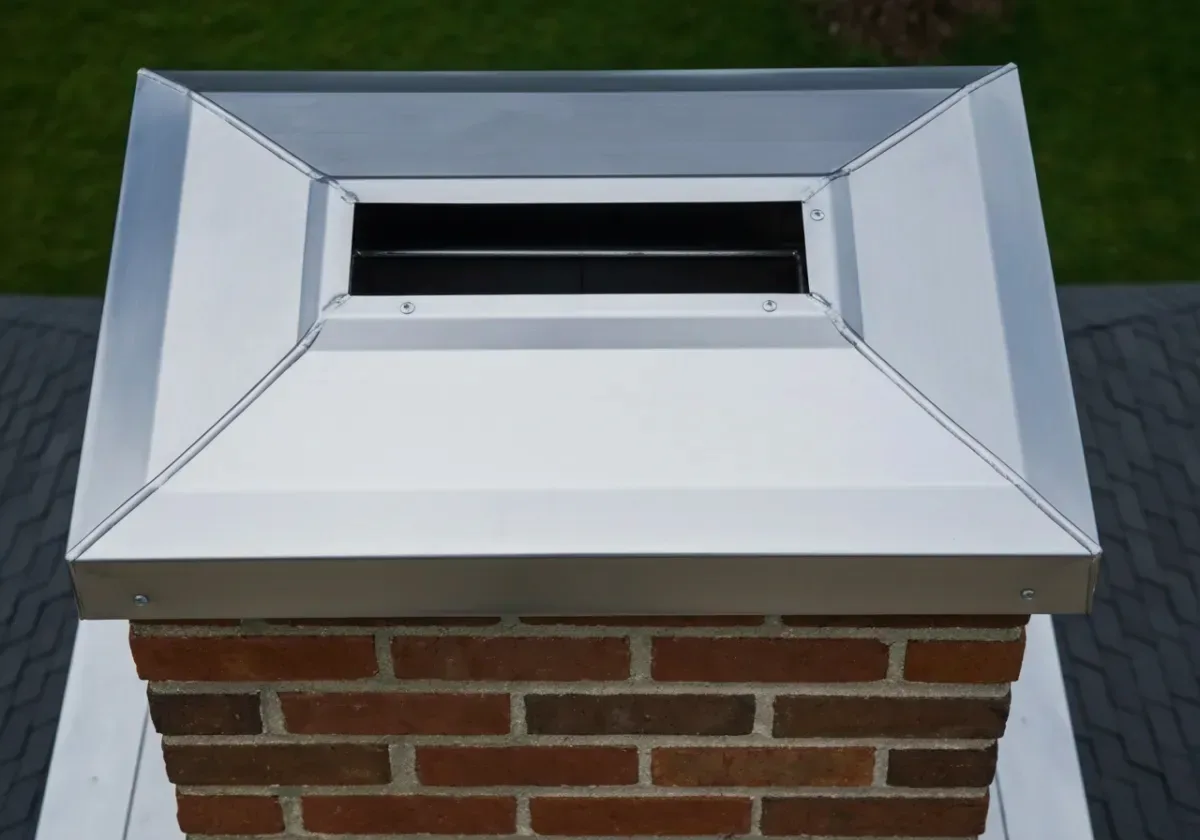
Illustrations of what each repair changes on a typical chimney — not photos of a specific job.
 Before
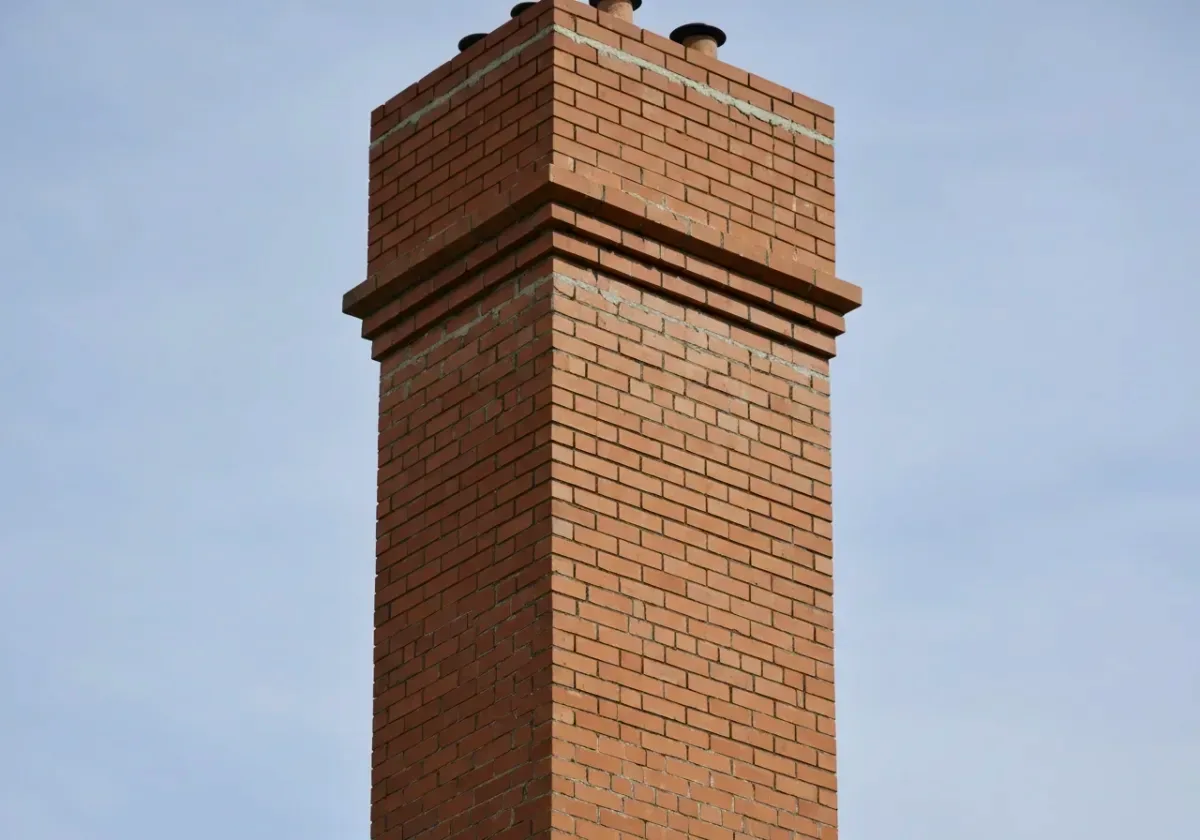 After
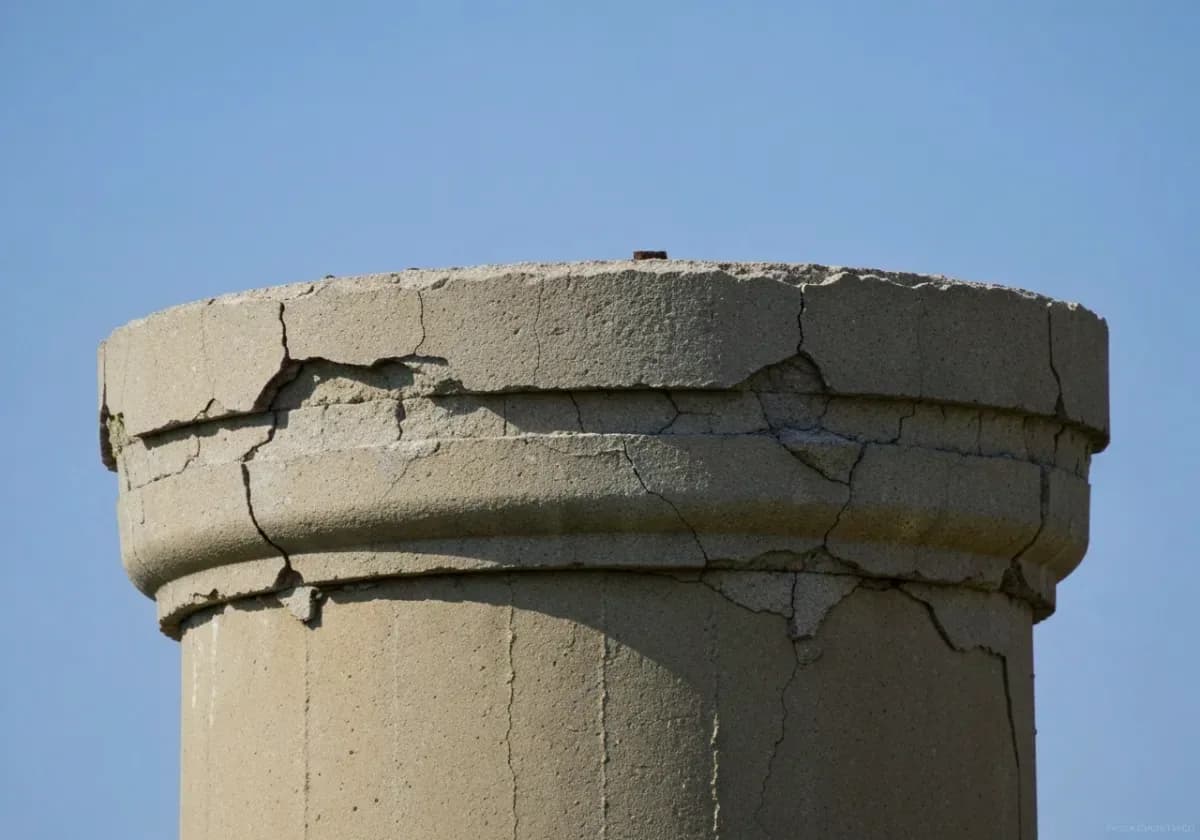 Before
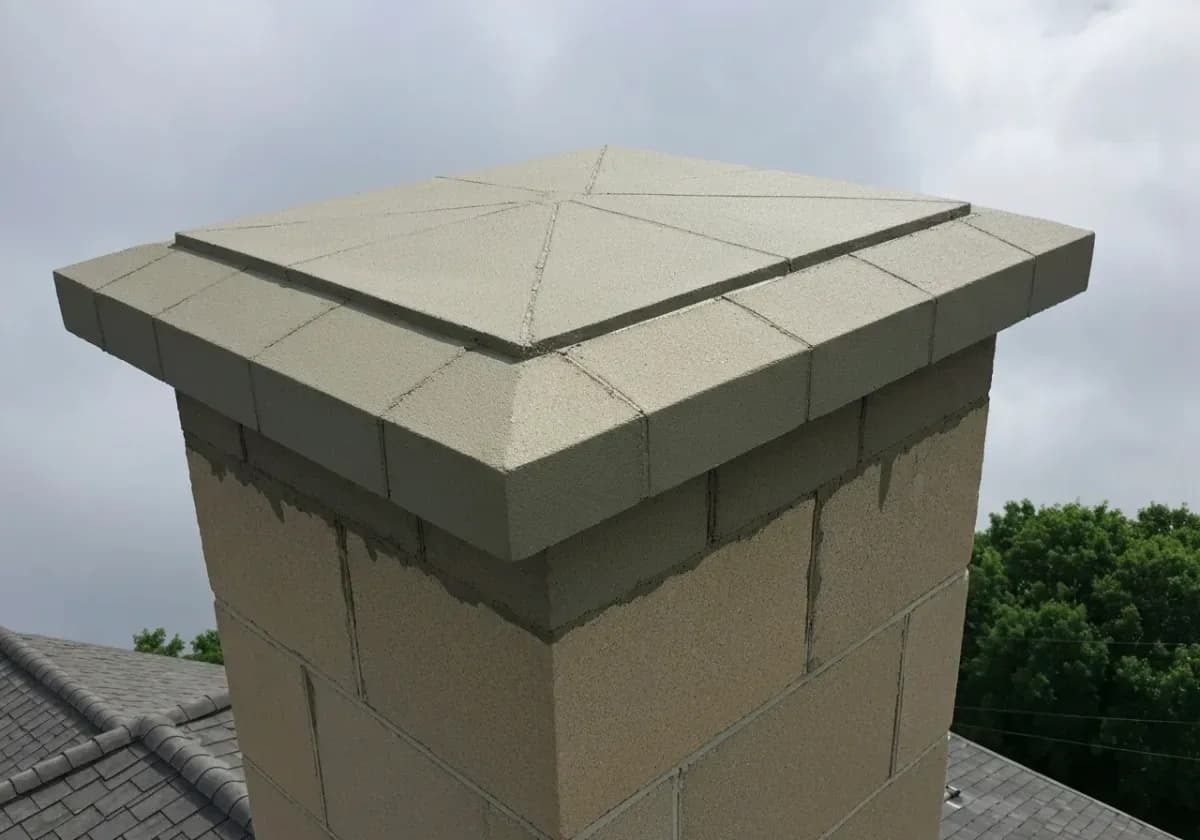 After
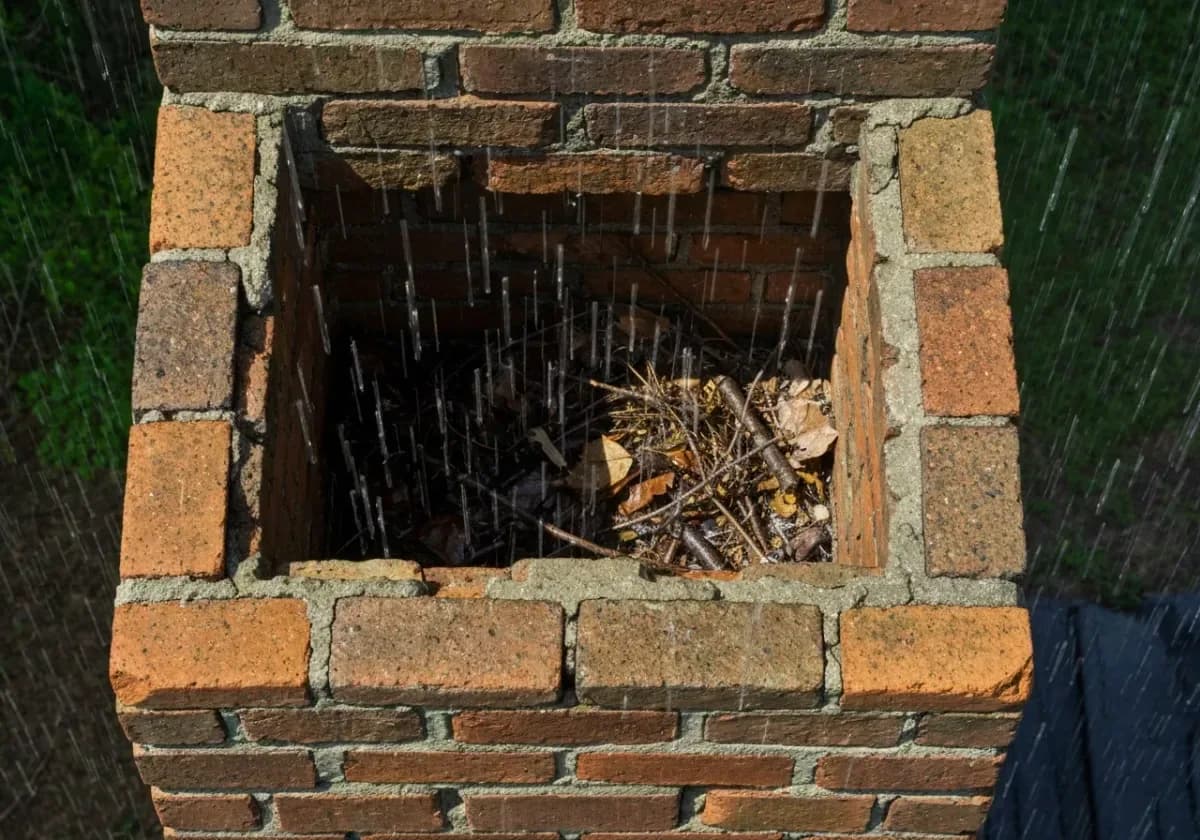 Before
 After
Four steps, each one on paper — so you always know what happens next.
Choose a genuine opening on the crew's calendar. Confirmation is immediate.
Liner, crown, cap, flashing and masonry examined in order — each finding photographed.
One document, plain numbers, covering only the work your chimney genuinely needs.
The repair is completed, then handed over with before-and-after photos of every item.
$99 plus tax for each chimney, for an on-site inspection: camera footage of the flue, photos and a report in writing. If you go on to sign our repair quote, it shows that $99 as a credit; if not, the fee simply pays for the visit.
Not because of the neighbor. Seattle's Certificate of Approval requirement covers designated landmarks themselves, such as the Campbell Building and the Crescent-Hamm Building, not the houses around them.
We look at access first. Upper-floor units and rooftops above storefronts often need different ladders or roof access, and we plan that before quoting.
Not from the Census, which only reports wide areas. We go by your own records and by what the flue itself shows on camera.
Choose a genuine opening on the crew's calendar. We inspect, quote in writing, and hand over a photo record of every repair.