Gatewood, King County
Taking creosote out of a Gatewood chimney starts at $245. That is the price for the loose, crumbly kind that heavy brushing lifts in one visit. Creosote that has baked into a shiny, tar-like glaze is harder: it needs a chemical treatment to soften it and often a second pass with rotary tools, and the quote rises with the length of flue affected. We film the flue before and after so you can see what was there and what is left.
Typical investment
From $245
Book an inspection
Book your $99 inspection
$99 plus tax, deducted when you approve the repair
Not sure where to start
Pick what you're seeing at your Gatewood home — we'll point you to the right fix.
What we do
The same crew, the same written quote — for Gatewood homes.
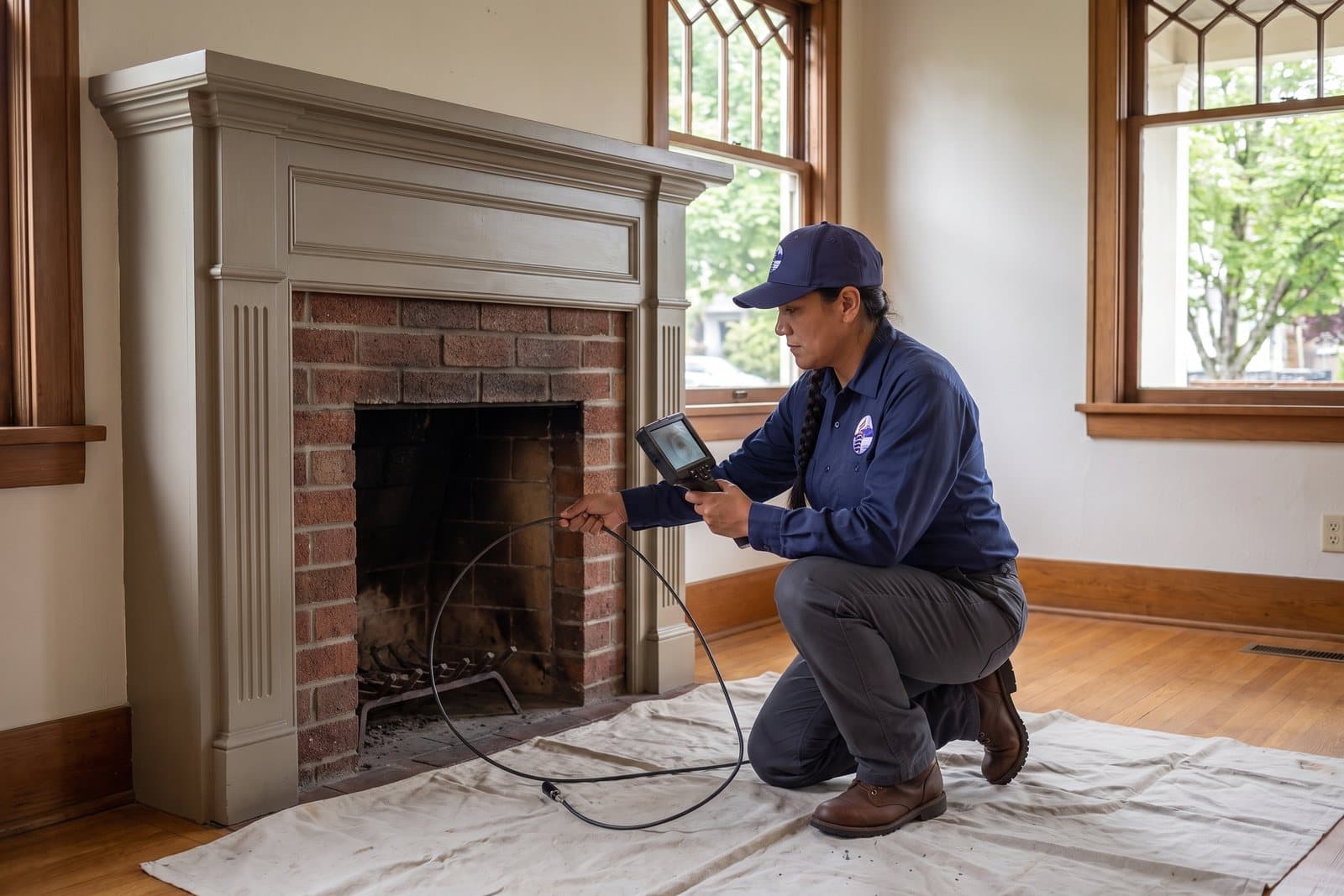
Level 1 examination of everything reachable, with a Level 2 camera pass when the reachable parts leave a question open
Learn more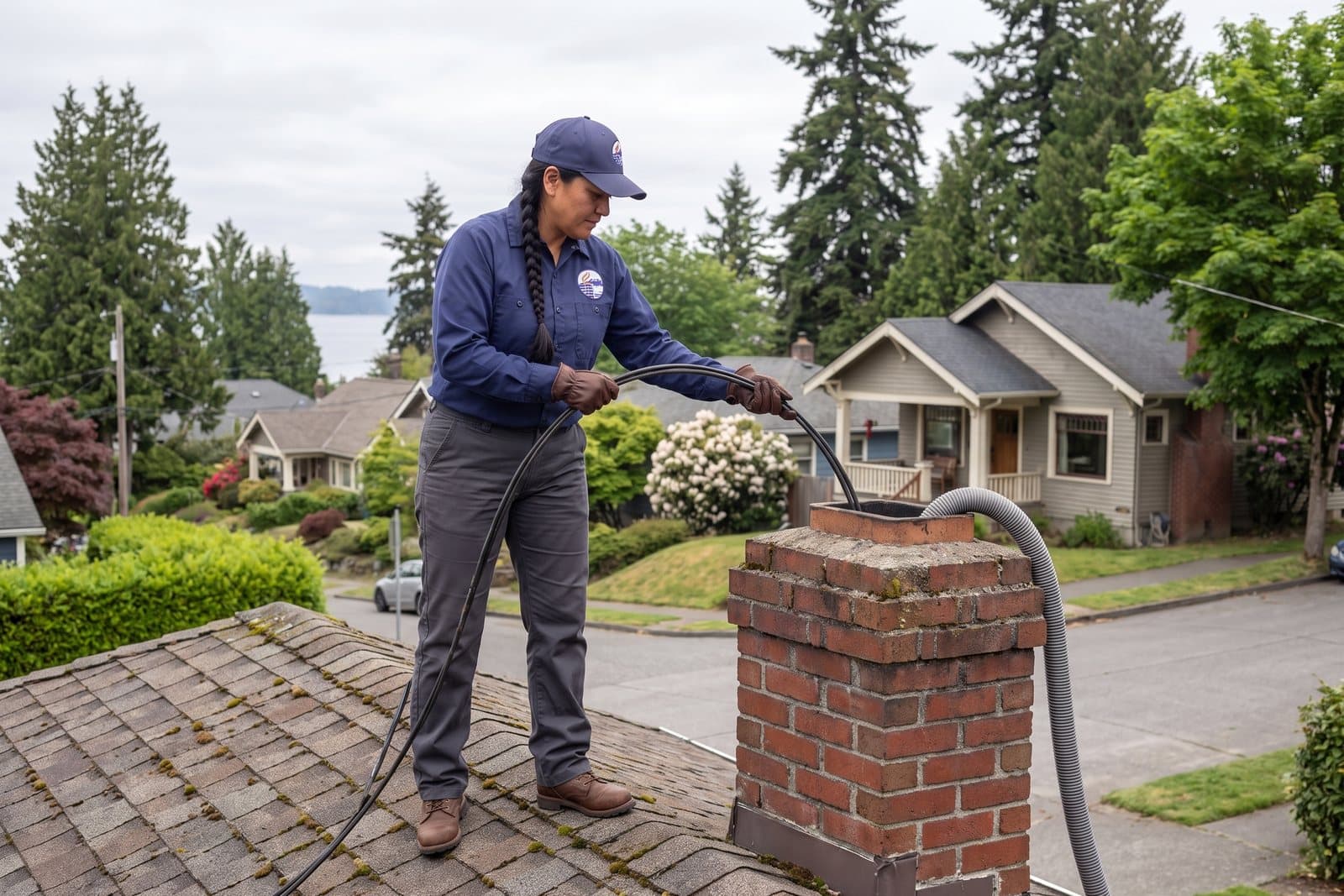
Full-height brushing of the flue with a head sized to its shape and material
Learn more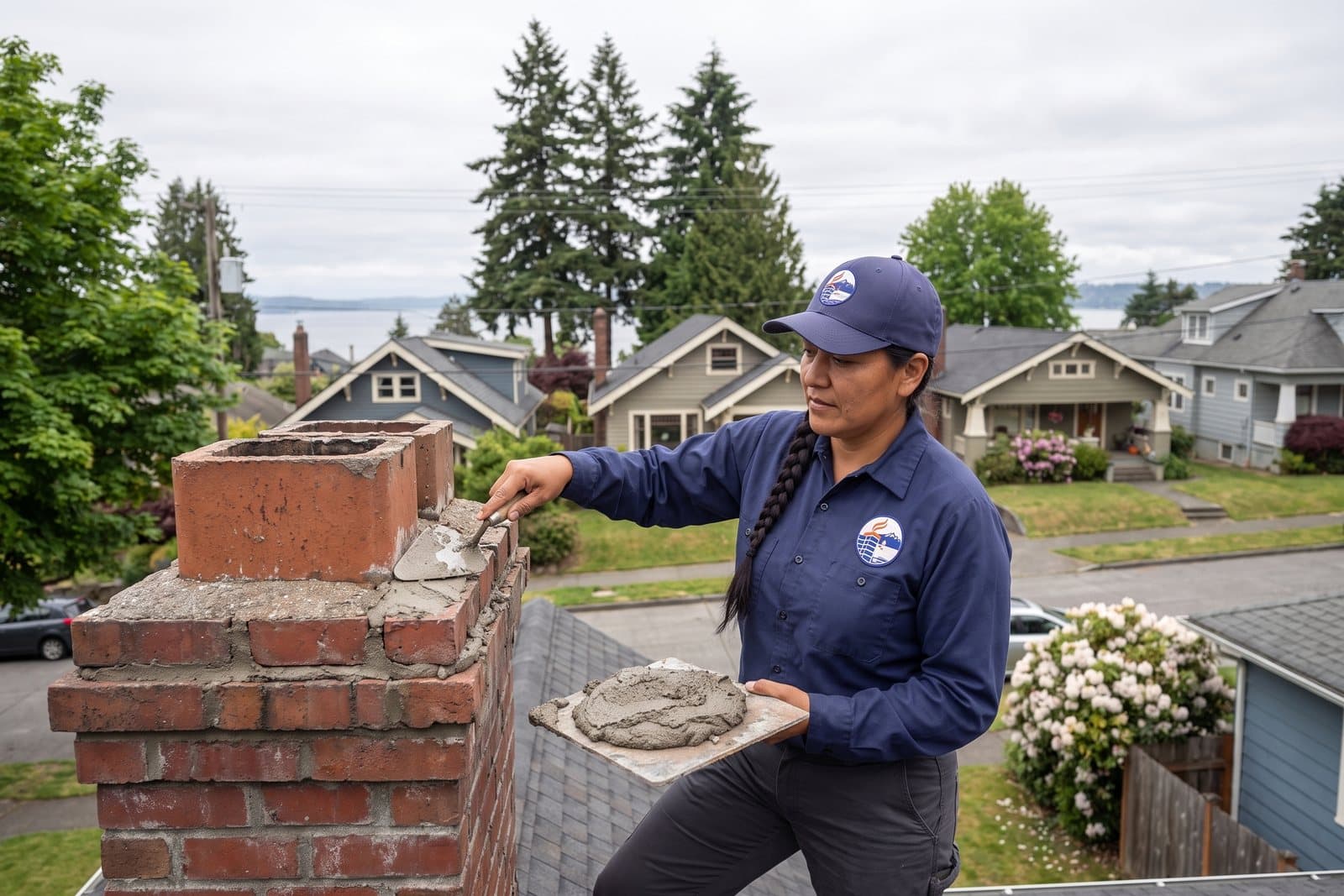
Assessment of the stack from roofline to crown, with a photo of each defect
Learn more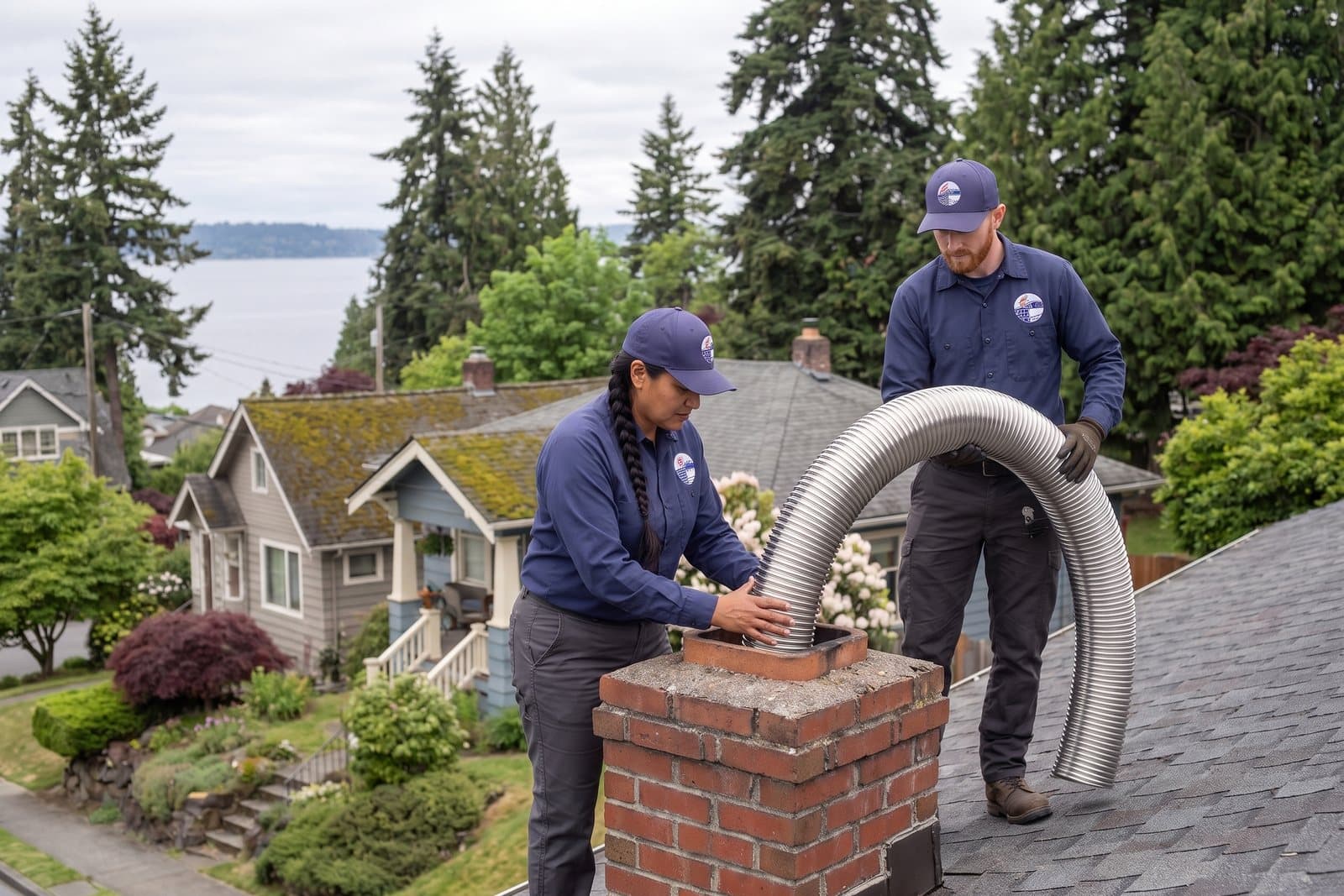
Camera survey and measurement of the existing flue before anything is ordered
Learn more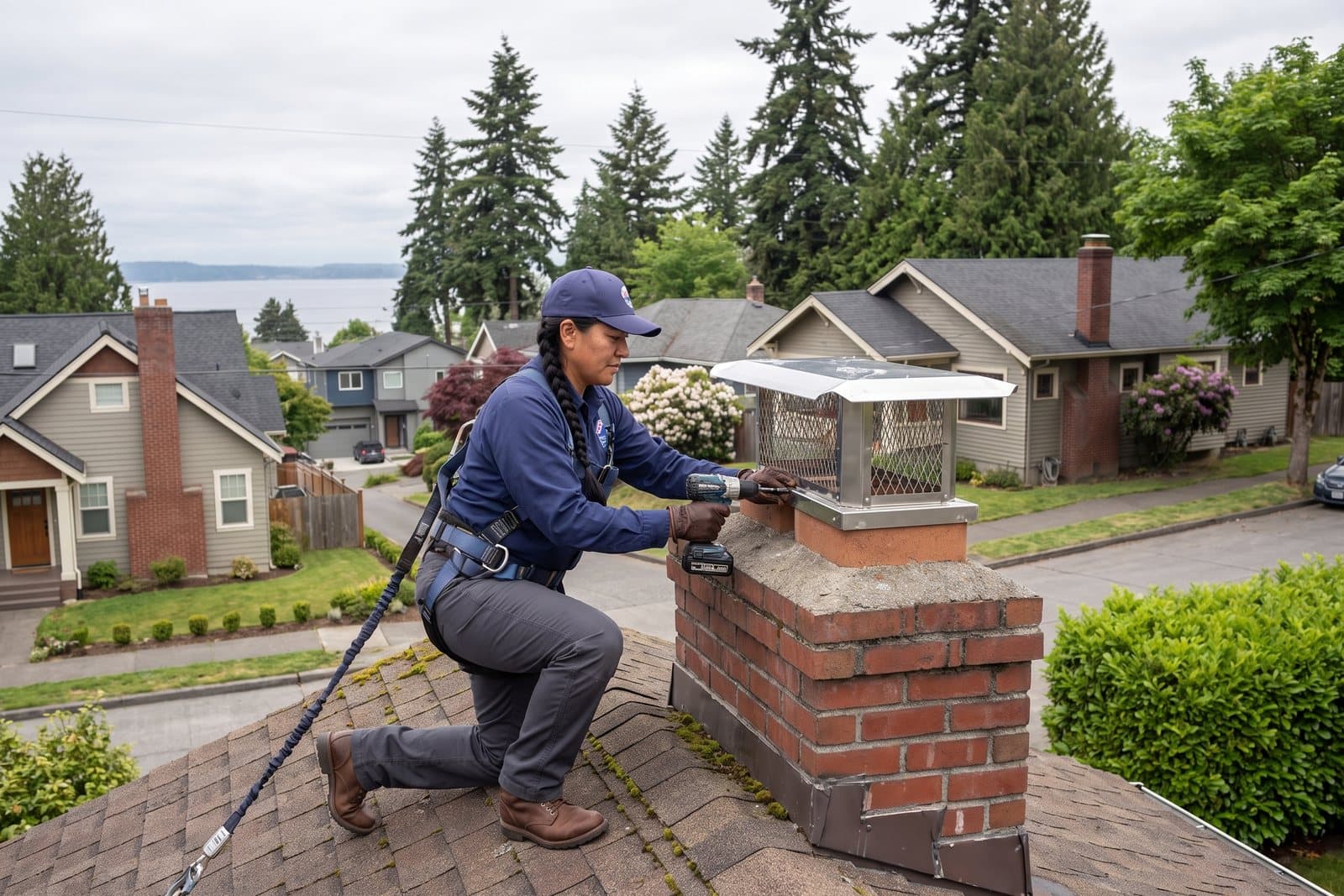
Measurement of each flue tile, or of the whole crown for a multi-flue cap
Learn more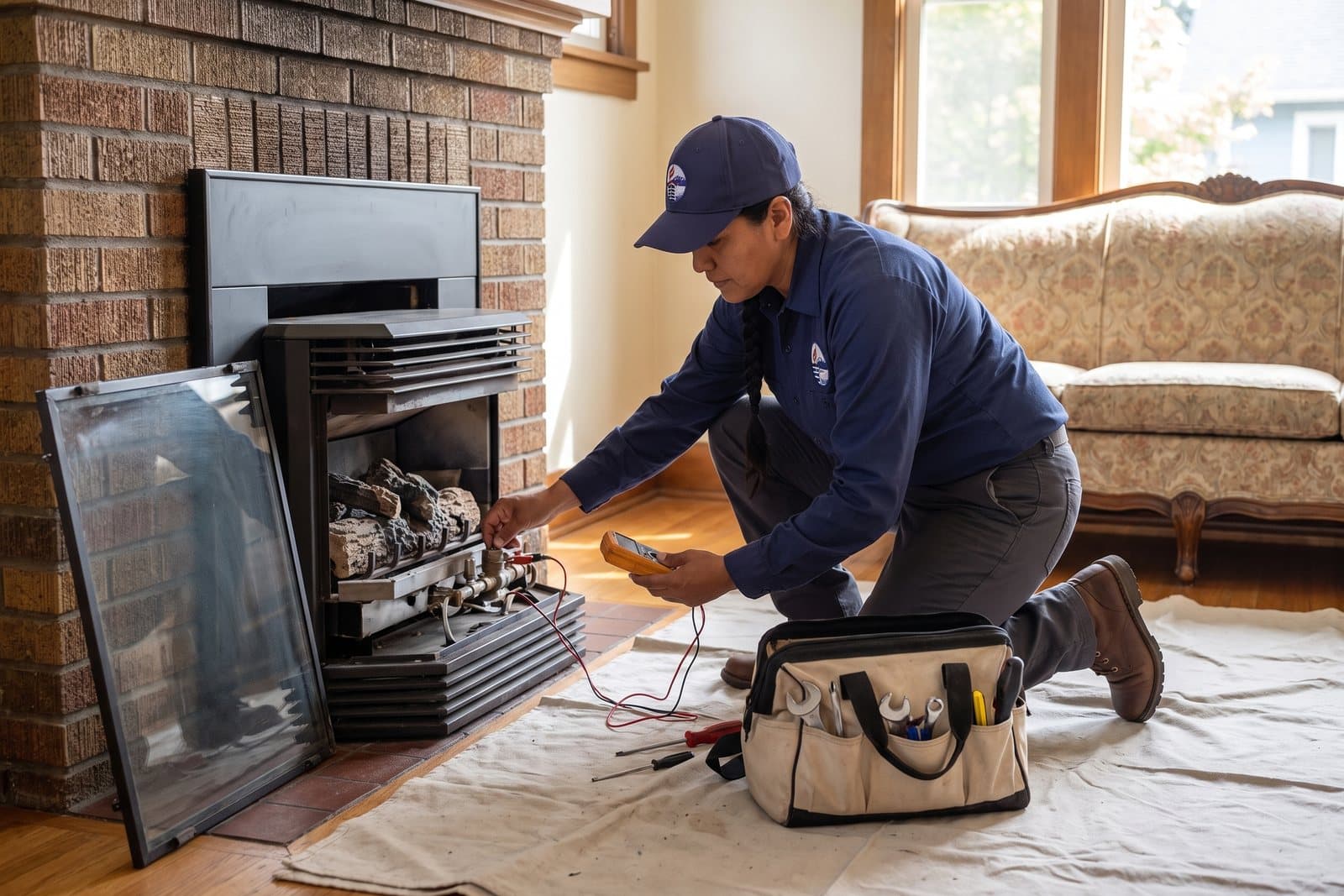
Burner, pilot assembly and firebox cleaned; logs or media put back in the layout the manual shows
Learn moreRanges shown for orientation — the exact figure is written up on-site, after the inspection.
Along Gatewood's eastern edge, Seattle Fire Station 37, which the department labels West Seattle and High Point, houses Engine 37 and Ladder 13 at 7700 35th Avenue SW. The station it replaced, built in 1925 at 7300 35th Avenue SW on the ridge between Gatewood and High Point, is now a decommissioned city landmark. Statewide, the State Fire Marshal's Office reported in September 2026 that home heating sources caused six fire deaths in Washington the previous year, and repeated its advice: have the chimney inspected and cleaned every year, and carry cold ashes outside in a lidded metal can.
New appliances sold in Washington face smoke ceilings from the state Ecology department: 7.5 grams of particulate an hour for a factory-built fireplace, and for wood or pellet stoves a ceiling of 2.5 grams when cord wood is the test fuel (2.0 with crib wood). State rule WAC 173-433-100 makes it unlawful to sell, give away or exchange a device that is not certified and labeled.
An insert or stove fitted into an older Gatewood fireplace decades ago may predate those limits. Older, uncertified units tend to burn with more smoke, and more smoke means more tar condensing in the flue above, particularly where the insert vents into a large masonry flue without a liner to keep the exhaust warm. When we find heavy creosote above an older insert, we tell you both how to remove it and why it will come back.
Every creosote removal we do in Gatewood includes:
Smoke coming back into the room, or a smell that won't go? Book the inspection first.
Book nowThink of creosote as smoke that gave up halfway: it chilled inside the flue and dropped its tar on the lining. Slow, smoldering fires, damp wood, an oversized flue and an outside chimney that stays cold all make more of it. It comes in stages. The first is dry soot that a brush removes easily. The second is a crunchy, flaky layer. The third is glaze, hard and glossy, and the most dangerous, because it burns hot if a chimney fire starts and does not brush off. CSIA, citing NFPA 211, sets the sweeping trigger at a one-eighth-inch layer, with glaze earning an earlier visit.
Trees are the reason the city's windstorm planners flag West Seattle as wind-vulnerable: the canopy is dense, and toppling trunks and limbs cause most of the harm. After a storm on a hill like Gatewood's there is often wood on the ground, and it is tempting to cut it up and burn it.
On fuel, the regional Clean Air Agency is blunt: seasoned dry wood or manufactured logs, nothing else, and caps visible smoke at 20 percent opacity over six consecutive minutes in any hour. Green wood from a fresh fall fails on both counts in practice: it smolders, smokes and lays down creosote fast. Stack it, cover it, and let it dry through a summer before it goes in the firebox.
A camera pass shows which stage of creosote you have and how far up the flue it reaches.
Brushing alone is priced near the floor. Glaze treatment and the number of feet affected are listed separately.
Loose and flaky deposits are removed first, with the hearth sealed and vacuum running.
A product made to dry and crack glazed creosote is applied, and we return or continue once it has done its work.
Rotary heads clear the treated layer. A final camera pass shows the result, and you keep the footage.
What this work is quoted at for Gatewood homes — the exact figure comes from the $99 on-site inspection, credited toward the work.
| Service | Price in Gatewood | What that covers |
|---|---|---|
| Creosote Removal | From $245 | Priced by creosote stage — glazed stage 3 is the heavy end |
| Chimney Sweep | $189–$449 | Full flue swept, Level 1 inspection included |
| Chimney Inspection | $99 plus tax | Level 1 visual; Level 2 adds a full camera scan |
| Chimney Relining | From $1,900 | Full-length stainless liner, sized to the appliance |
| Chimney Repair | From $425 | Masonry repair — brick and mortar, scoped after diagnosis |
Ranges are what these jobs are quoted at in Gatewood. The exact figure is set on site after a $99 inspection (credited toward the job if you go ahead), and you approve it before any work starts.
Gatewood is a hilltop neighborhood named for Carlisle Gatewood, the developer who financed its streetcar line in 1907, with older homes, about three in ten of those in its ZIP code area built before 1940 and half before 1960.
GatewoodKing County, WA · 47.545, -122.386
Before and after
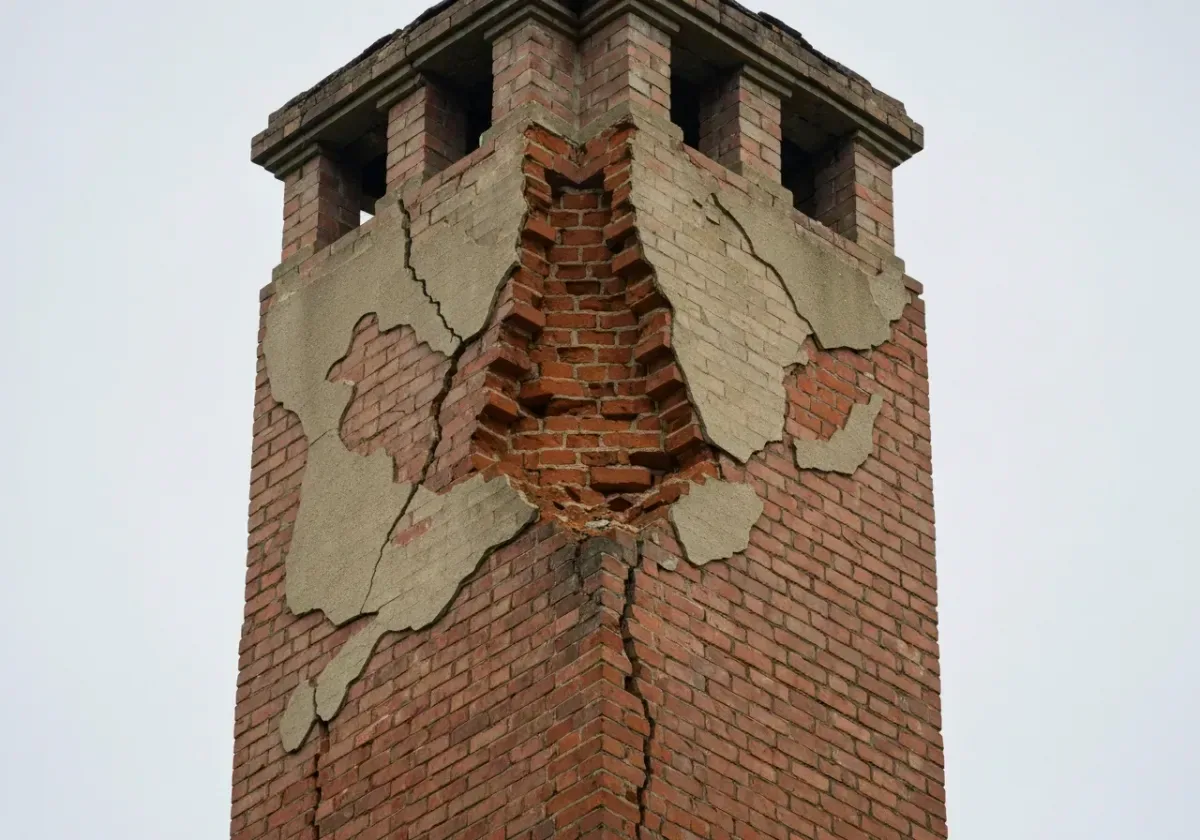
Illustrations of what each repair changes on a typical chimney — not photos of a specific job.
 Before
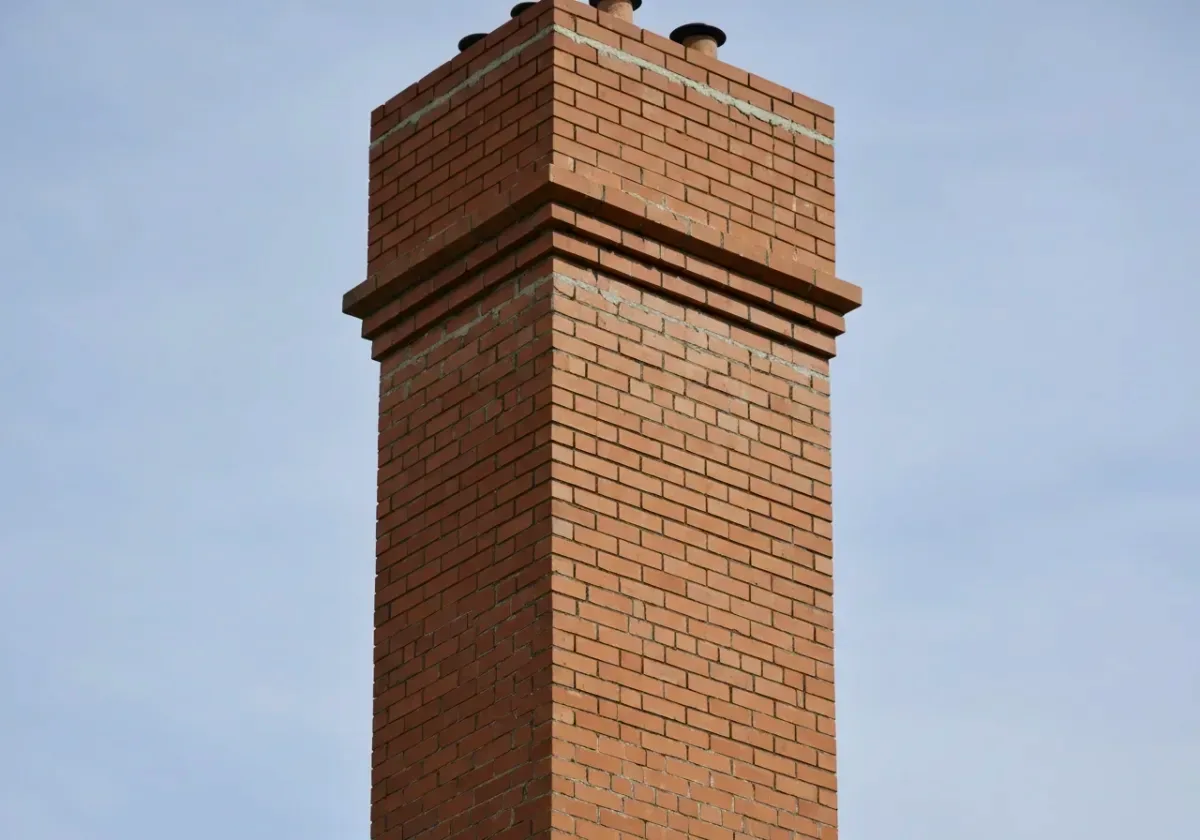 After
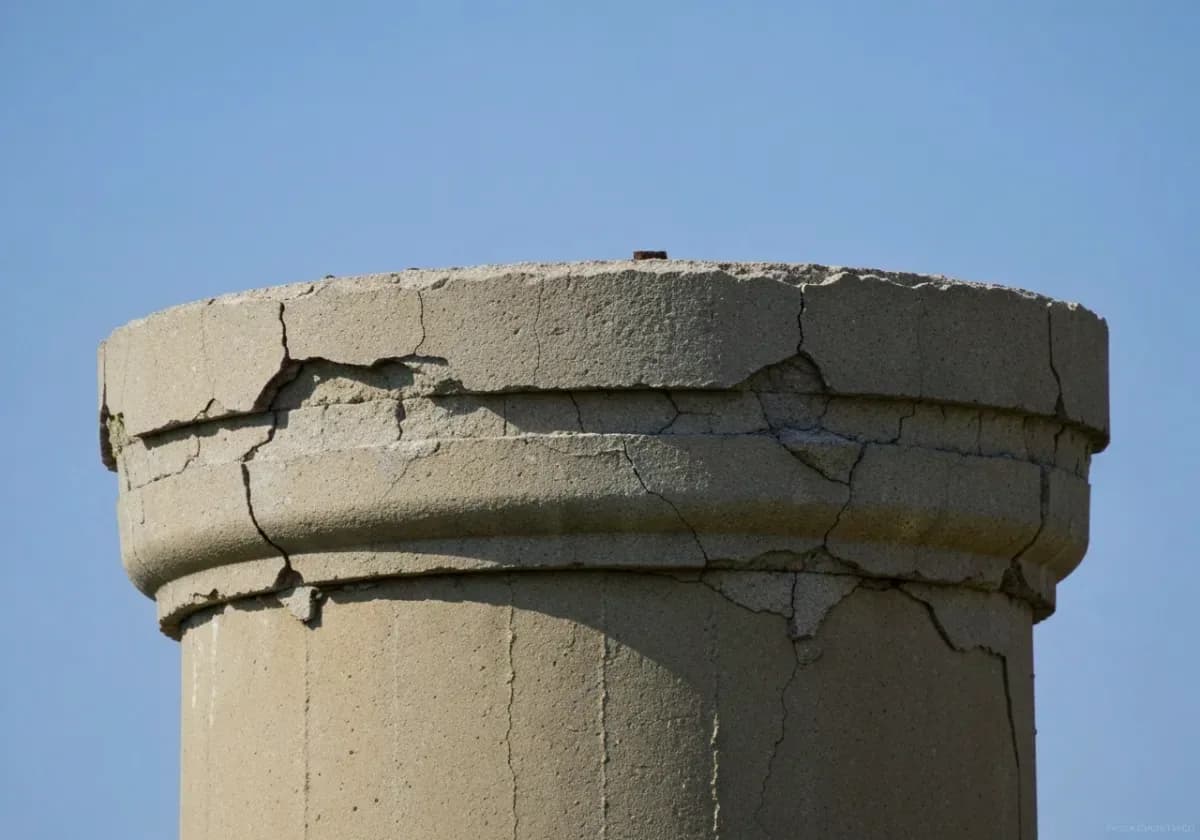 Before
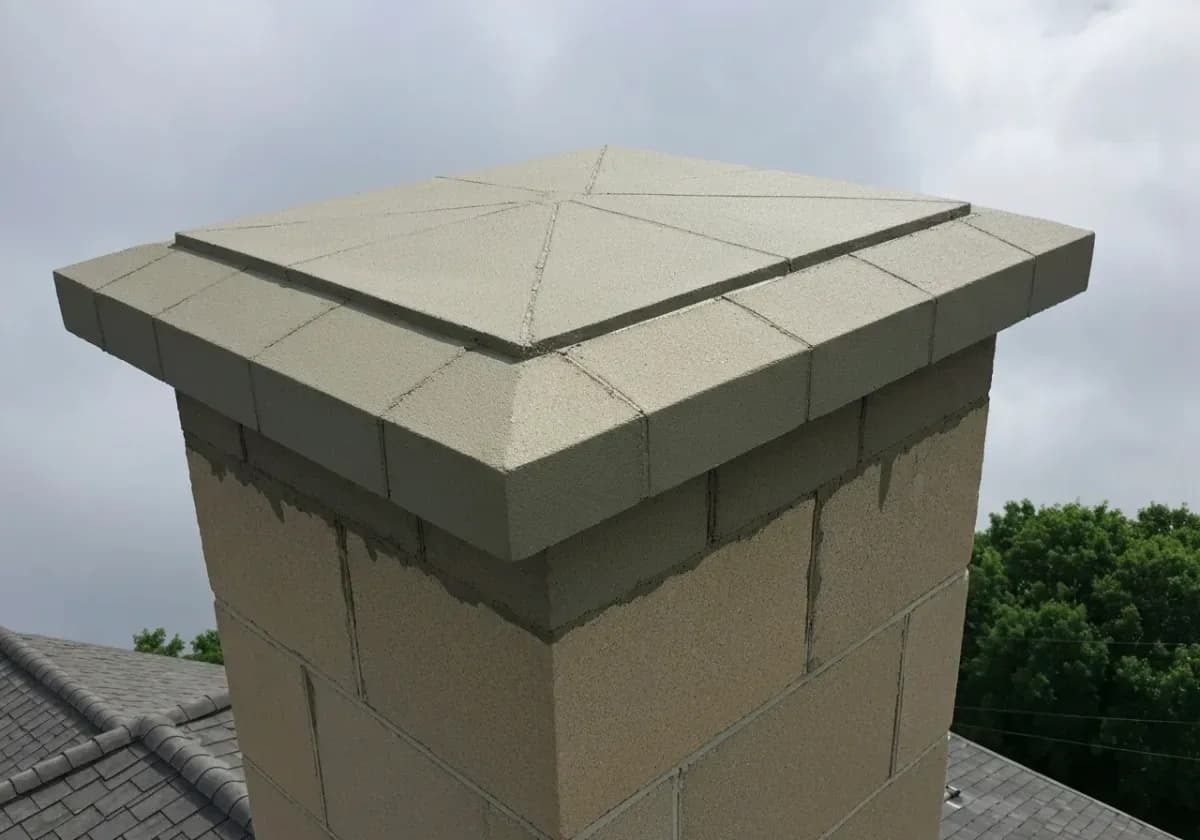 After
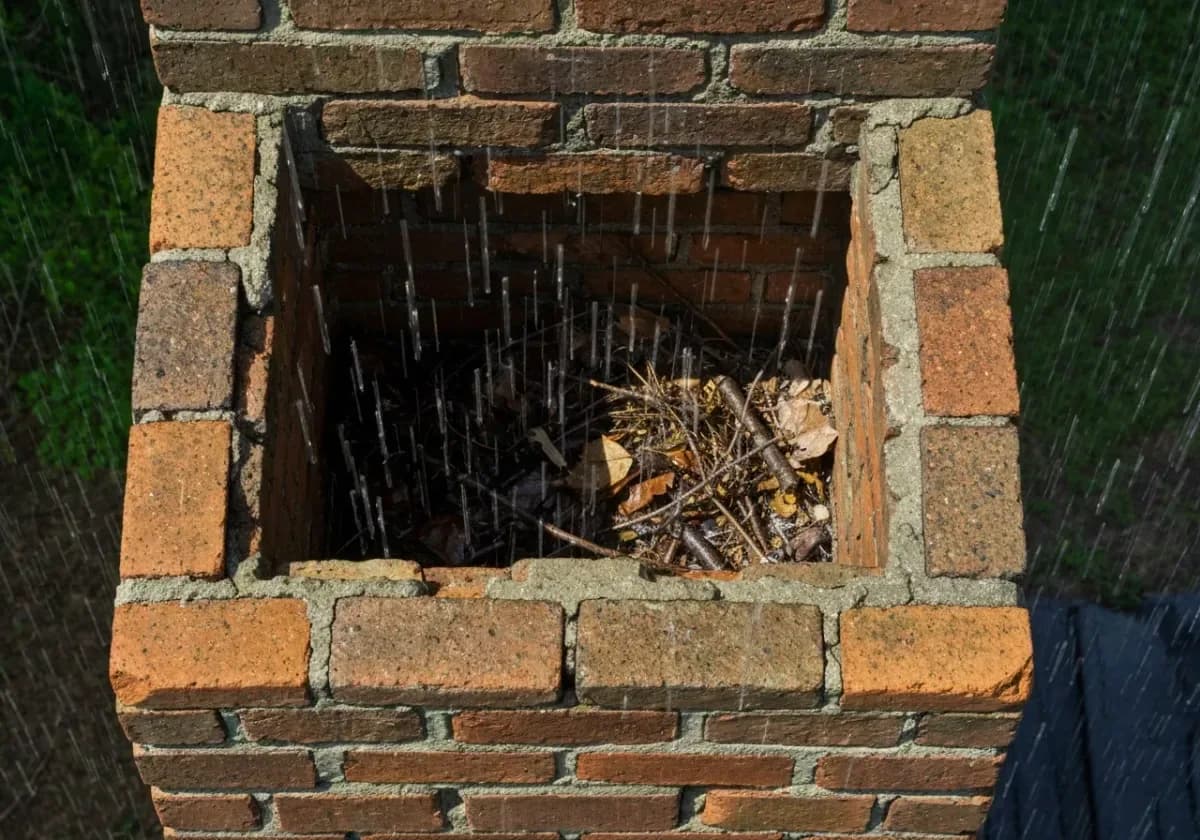 Before
 After

Four steps, each one on paper — so you always know what happens next.
Choose a genuine opening on the crew's calendar. Confirmation is immediate.
Liner, crown, cap, flashing and masonry examined in order — each finding photographed.
One document, plain numbers, covering only the work your chimney genuinely needs.
The repair is completed, then handed over with before-and-after photos of every item.
From $245 for brushing out soot and flaky deposits. Glazed creosote costs more because of the treatment and the extra passes; the quote lists both.
For soot and loose flakes, a sweep handles it. Glaze does not brush off, which is what this service is for.
Those logs may soften a little of the crust. Glaze survives them, and burning one tells you nothing about what is up there. We prefer to see the deposit first.
Heavy glaze sometimes hides a cracked liner or a past chimney fire. If we see signs of either, we recommend a full inspection at $99 plus tax per chimney, credited to any work you approve.
A $99 on-site inspection, a written quote before any work, and photos of every item we touch.