Alki, King County
Creosote removal in Alki starts at $245. Which of three deposits we find decides the rest. Dusty soot and crisp flakes brush away, and the bill stays near $245. Tar-like buildup needs rotary tools. Glazed creosote, hard and shiny as poured glass, has to be softened chemically over one or more visits before it will release, and that is where the price climbs. You get a photo of your own deposit and its name before you agree to anything.
Typical investment
From $245
Book an inspection
Book your $99 inspection
$99 plus tax, deducted when you approve the repair
Not sure where to start
Pick what you're seeing at your Alki home — we'll point you to the right fix.
What we do
The same crew, the same written quote — for Alki homes.
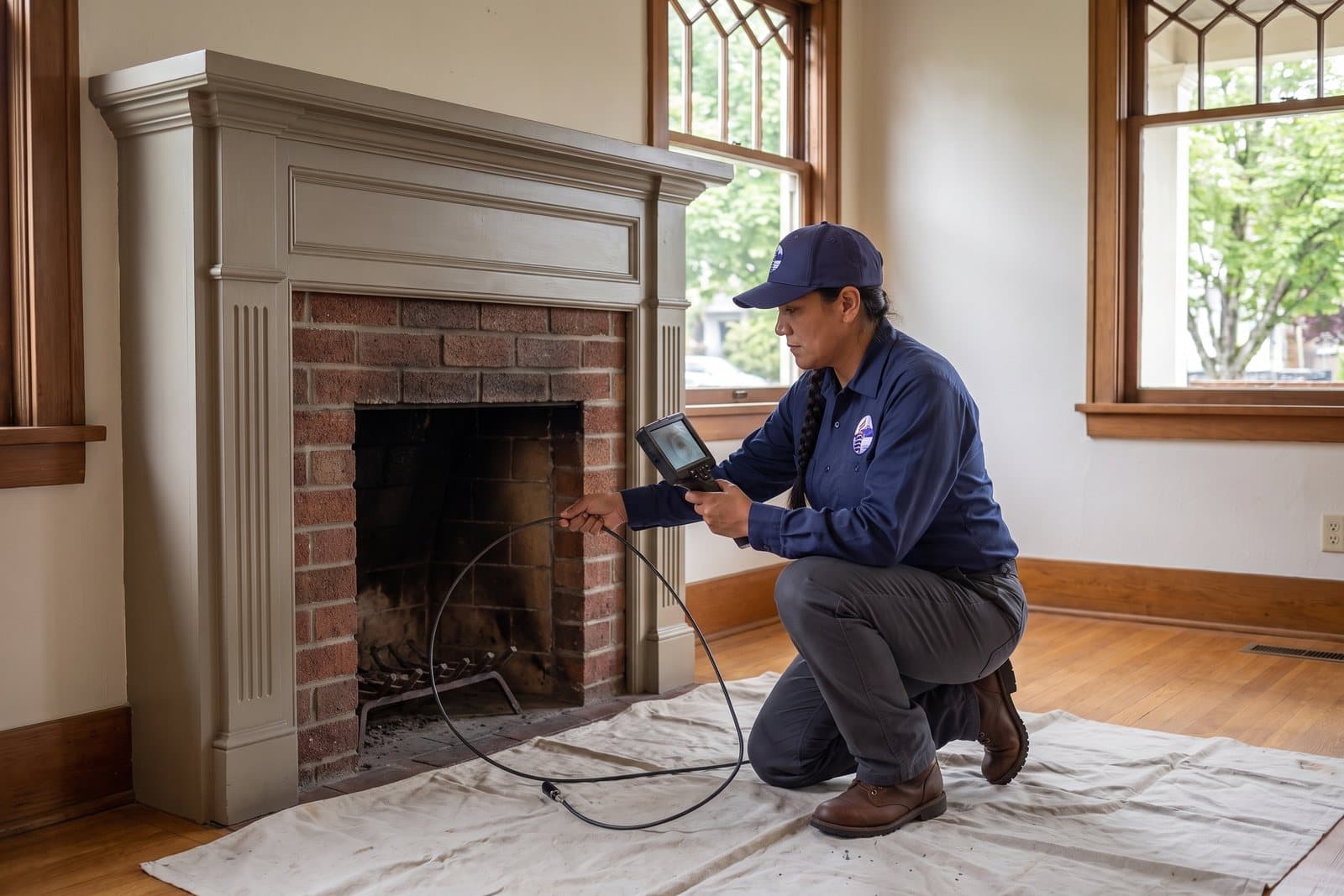
Level 1 examination of everything reachable, with a Level 2 camera pass when the reachable parts leave a question open
Learn more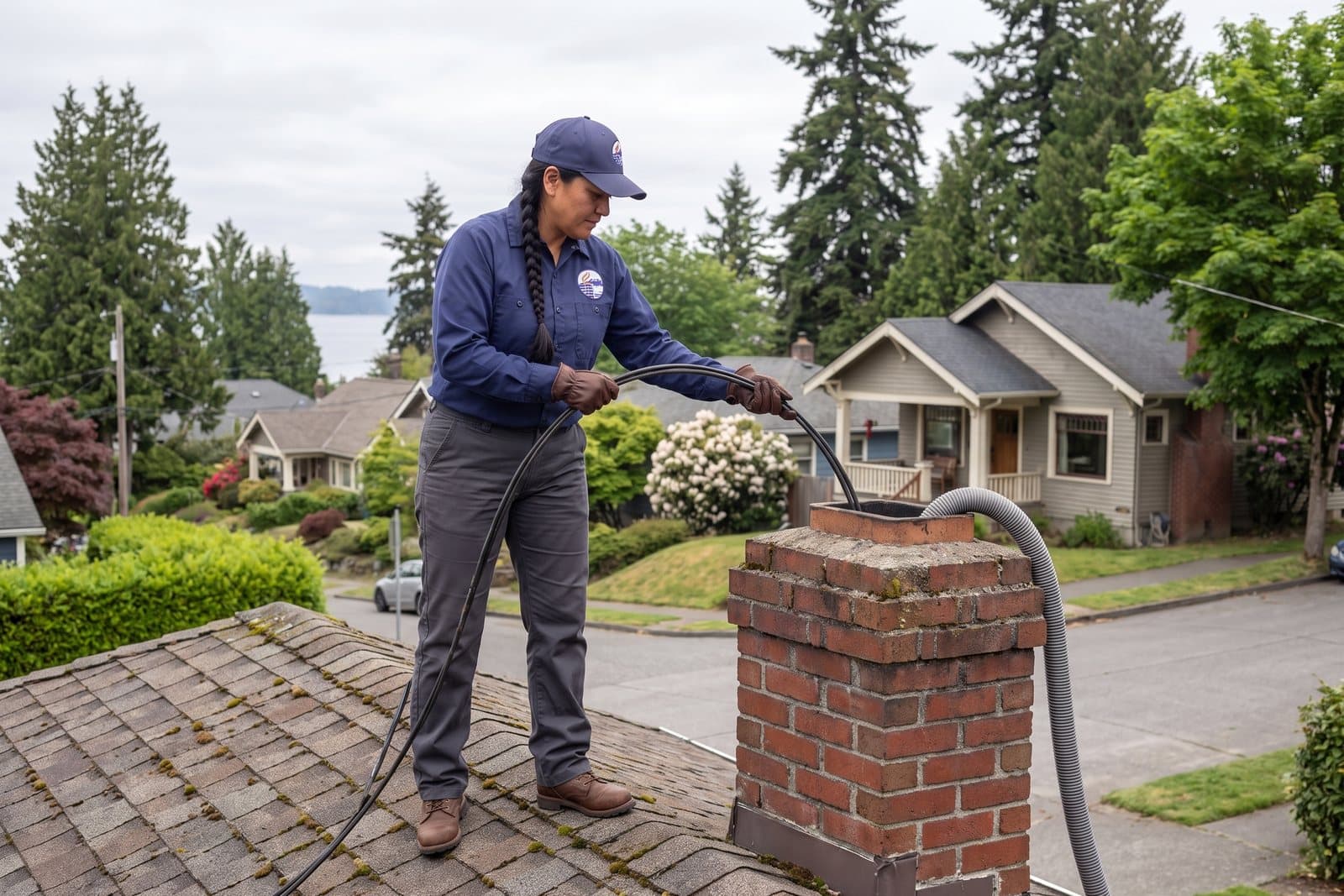
Full-height brushing of the flue with a head sized to its shape and material
Learn more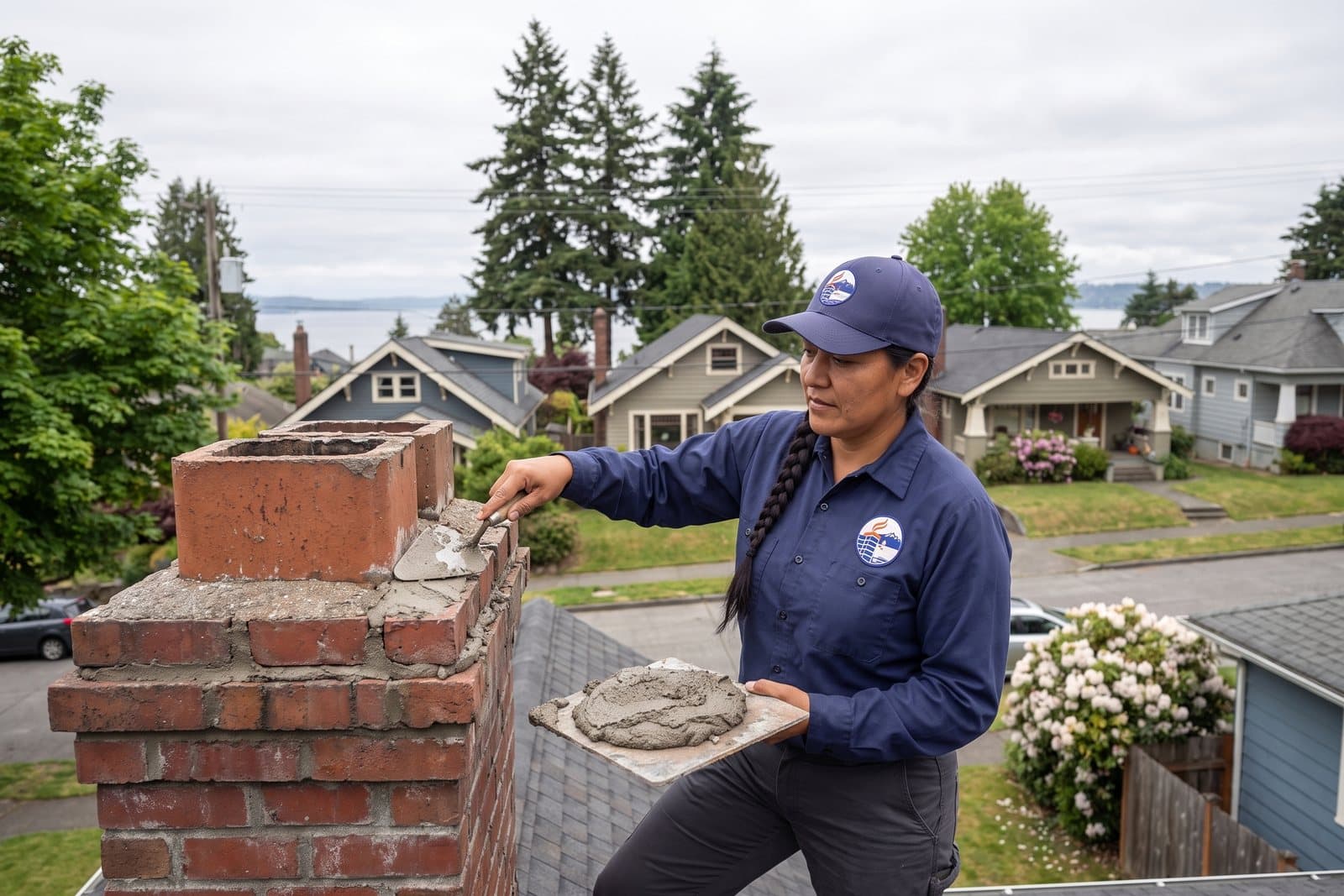
Assessment of the stack from roofline to crown, with a photo of each defect
Learn more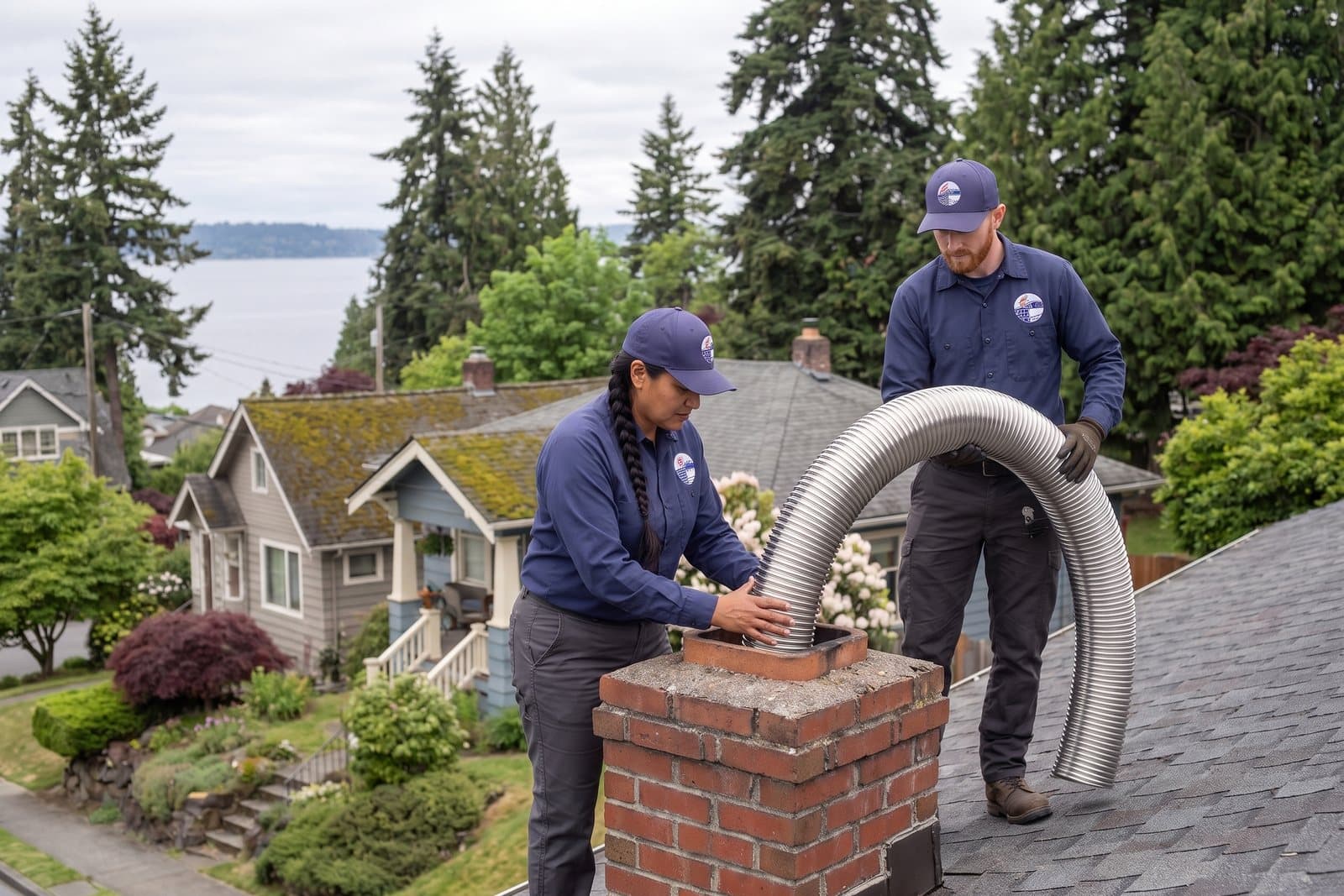
Camera survey and measurement of the existing flue before anything is ordered
Learn more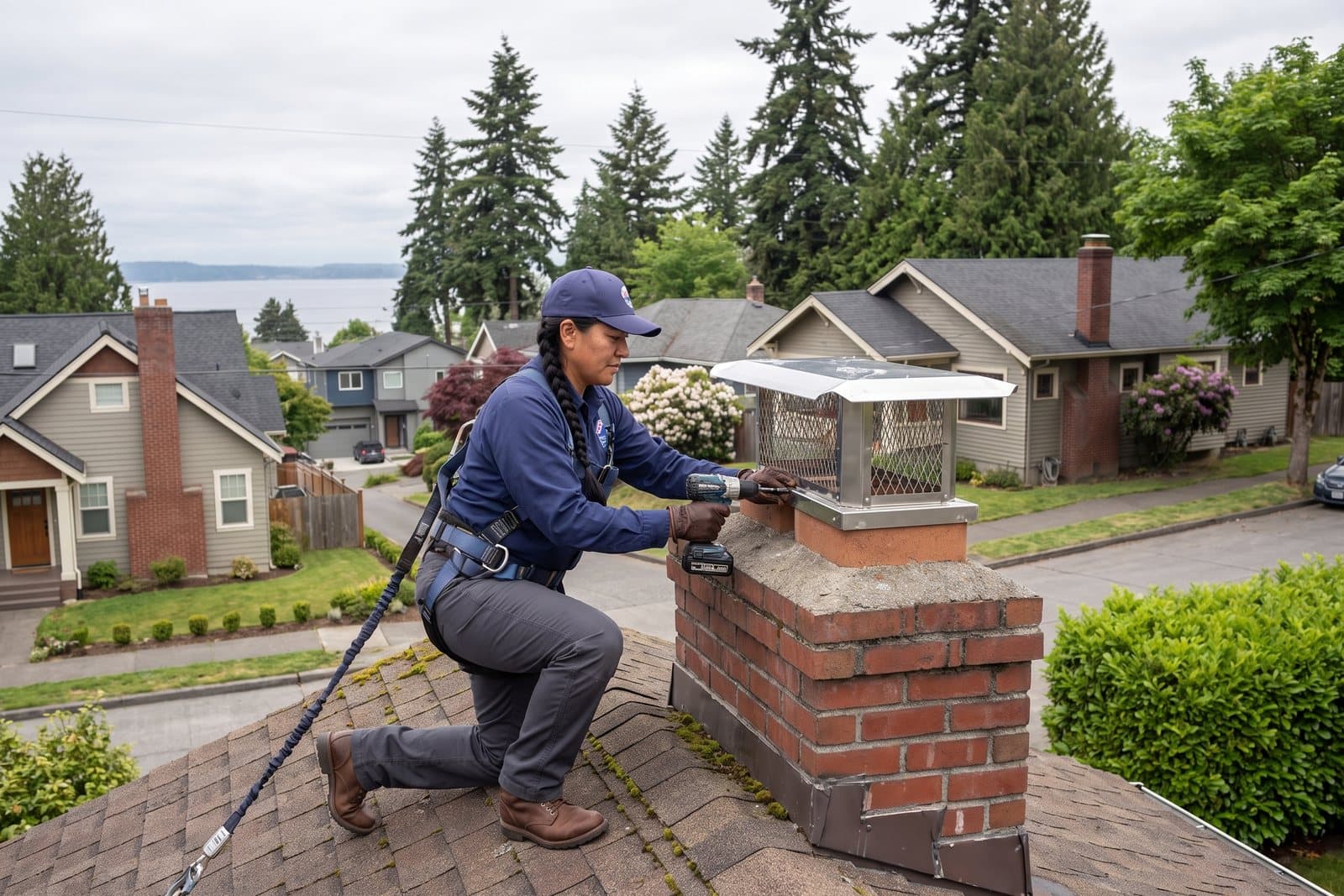
Measurement of each flue tile, or of the whole crown for a multi-flue cap
Learn more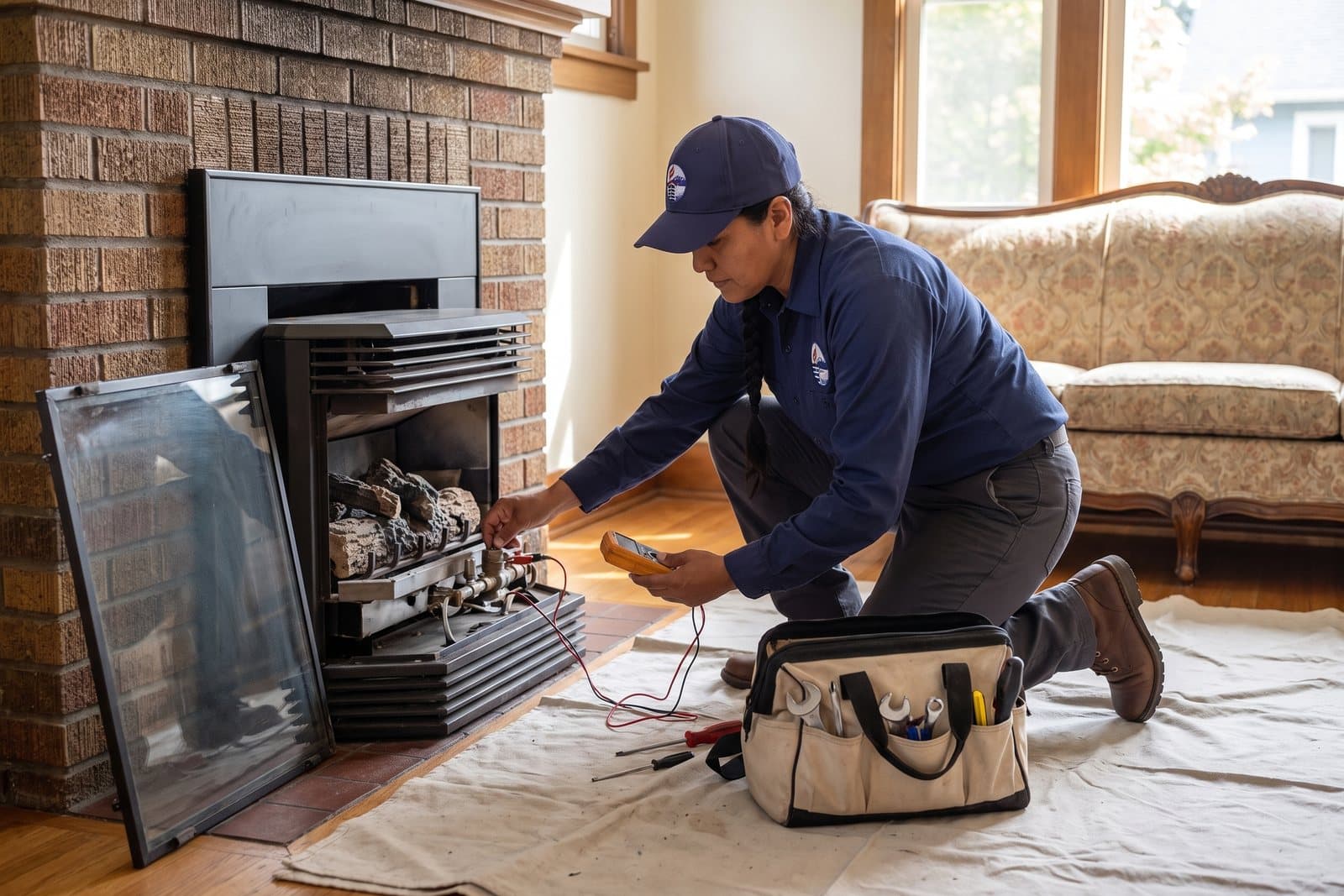
Burner, pilot assembly and firebox cleaned; logs or media put back in the layout the manual shows
Learn moreRanges shown for orientation — the exact figure is written up on-site, after the inspection.
Hardly anyone on Alki heats with wood. For the ZIP code area that contains the neighborhood, the Census estimate of homes using wood as their main heat is zero, give or take 25, a figure that says nothing about fireplaces lit for pleasure. Occasional use is its own risk. An hour of fire after dinner leaves the upper flue chilly throughout, and a chilly flue collects far more of the smoke as residue than one heated by a long, steady burn.
Seattle Parks gives the water temperature off Alki Beach as 46 to 56 degrees Fahrenheit, according to season. Wikipedia's West Seattle article recalls the high winds of the peninsula's exposed western side, the reason most of the first settlers moved on.
Creosote forms where flue gas cools below the point at which its vapors condense. A chimney on an outside wall, standing in wind beside water that cold, sheds heat quickly, and its upper flue is the coolest stretch of all. That top section is where we look first for the thickest deposit. An insulated liner or simply hotter, shorter fires can reduce it; cleaning alone will not change the conditions that made it.
Every creosote removal we do in Alki includes:
Smoke coming back into the room, or a smell that won't go? Book the inspection first.
Book nowBurn bans add a reason to deal with heavy deposits. A Stage 1 air quality ban, under Puget Sound Clean Air Agency rules, prohibits wood-burning fireplaces and uncertified stoves or inserts unless a household holds an approved exemption, and nothing may emit visible smoke. A flue choked with creosote draws poorly and smokes more, in the room and above the roof. Washington's fire marshal adds advice about what comes out of the firebox: cooled ashes belong in a metal can with a tight cover, stored outside the house.
A scrape and a close photo tell soot from tar from glaze, and the method follows from that.
Brushes or rotary heads take off everything that will come off without harming the liner.
Glaze is coated with a remover that changes it to a brittle char over several days, then brushed out.
With deposits gone, the camera shows the tiles themselves, cracks included.
The 2004 chimney study by Booth, Wells and Givler reached an awkward conclusion for anyone hoping to judge risk from the street. West Seattle's 2001 damage ignored distance from the epicenter, soft ground, terrain and the way a slope faces. The worst zones followed mapped strands of the Seattle fault zone instead, and damage dropped away within a block or two of where that zone ends. HistoryLink's essay on 1949 lists the brick gable that collapsed at West Seattle's Lafayette School.
So a sound chimney next door proves nothing about yours. Inside a flue, a layer of glazed creosote can cover a cracked tile completely, and a chimney fire then has a path to the framing. That is why our removal ends with a camera run: once the liner is bare, old earthquake cracks have nowhere left to hide.
What this work is quoted at for Alki homes — the exact figure comes from the $99 on-site inspection, credited toward the work.
| Service | Price in Alki | What that covers |
|---|---|---|
| Creosote Removal | From $245 | Priced by creosote stage — glazed stage 3 is the heavy end |
| Chimney Sweep | $189–$449 | Full flue swept, Level 1 inspection included |
| Chimney Inspection | $99 plus tax | Level 1 visual; Level 2 adds a full camera scan |
| Chimney Relining | From $1,900 | Full-length stainless liner, sized to the appliance |
| Chimney Repair | From $425 | Masonry repair — brick and mortar, scoped after diagnosis |
Ranges are what these jobs are quoted at in Alki. The exact figure is set on site after a $99 inspection (credited toward the job if you go ahead), and you approve it before any work starts.
Alki is the beach neighborhood at the northwest tip of West Seattle, where the Denny party landed in 1851, on Puget Sound and Elliott Bay, with houses and duplexes that date mostly from the 1920s and the 1950s around the school, mixed with newer townhouses and apartments. We work every part of it — Alki Point, the Alki Avenue beachfront included.
AlkiKing County, WA · 47.576, -122.409
Before and after
Illustrations of what each repair changes on a typical chimney — not photos of a specific job.
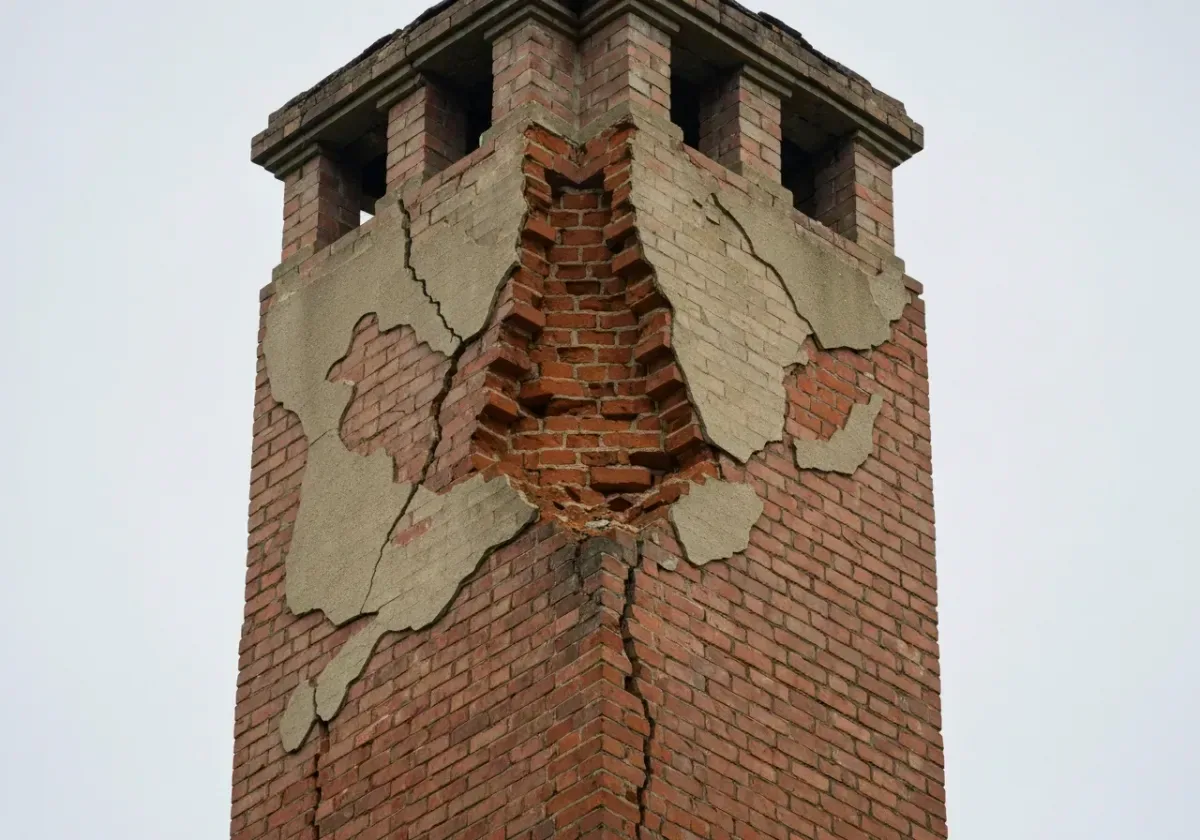 Before
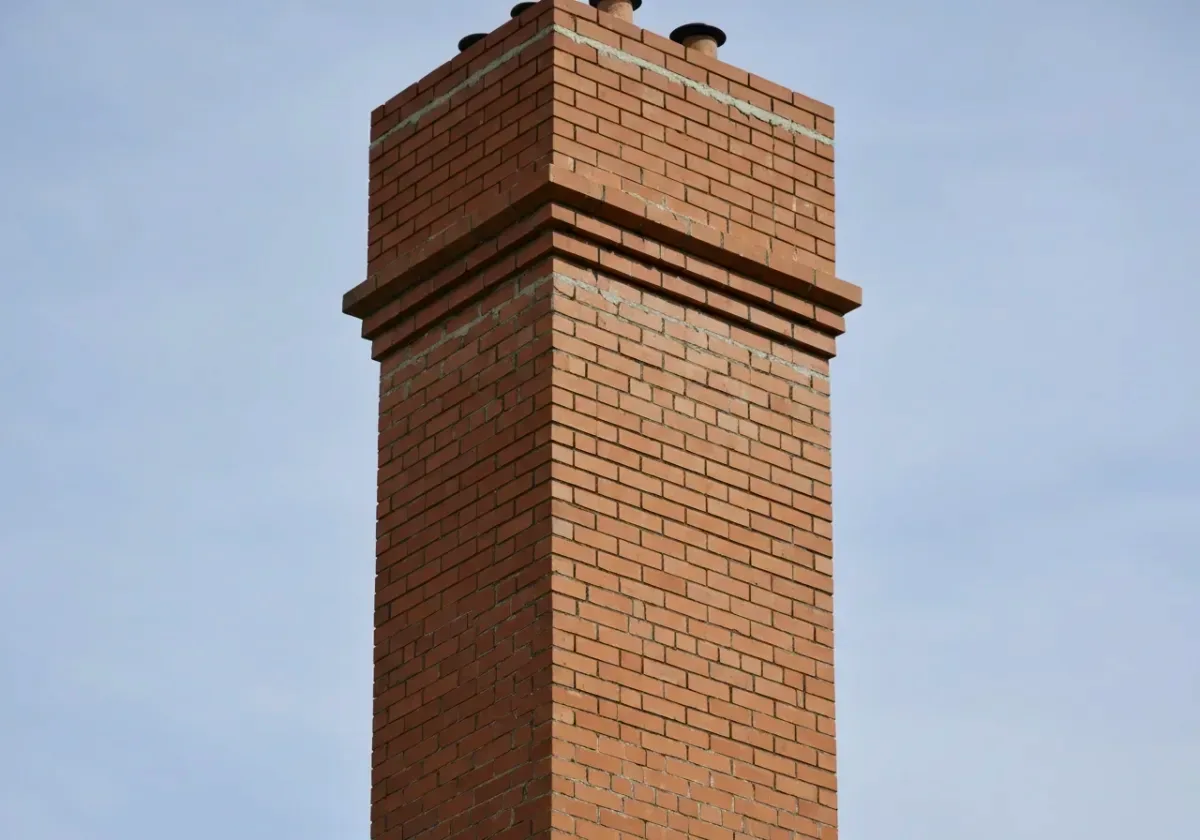 After
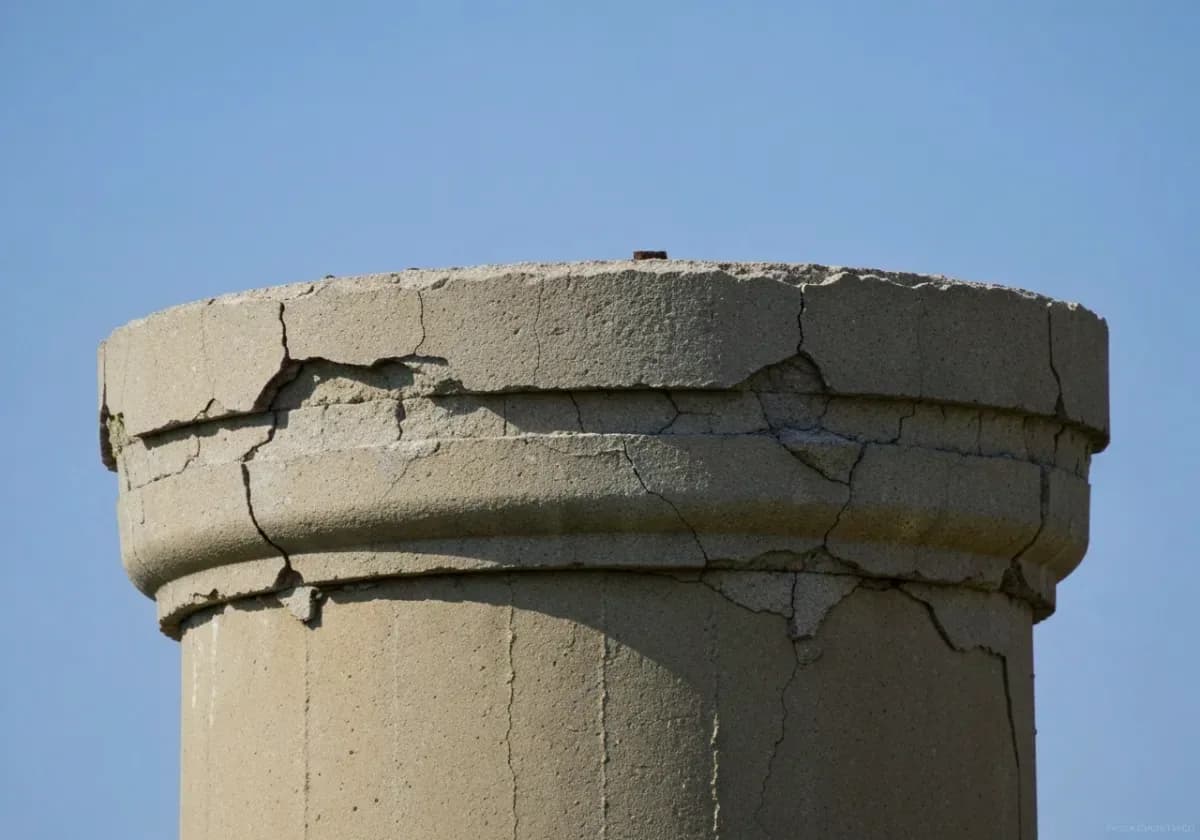 Before
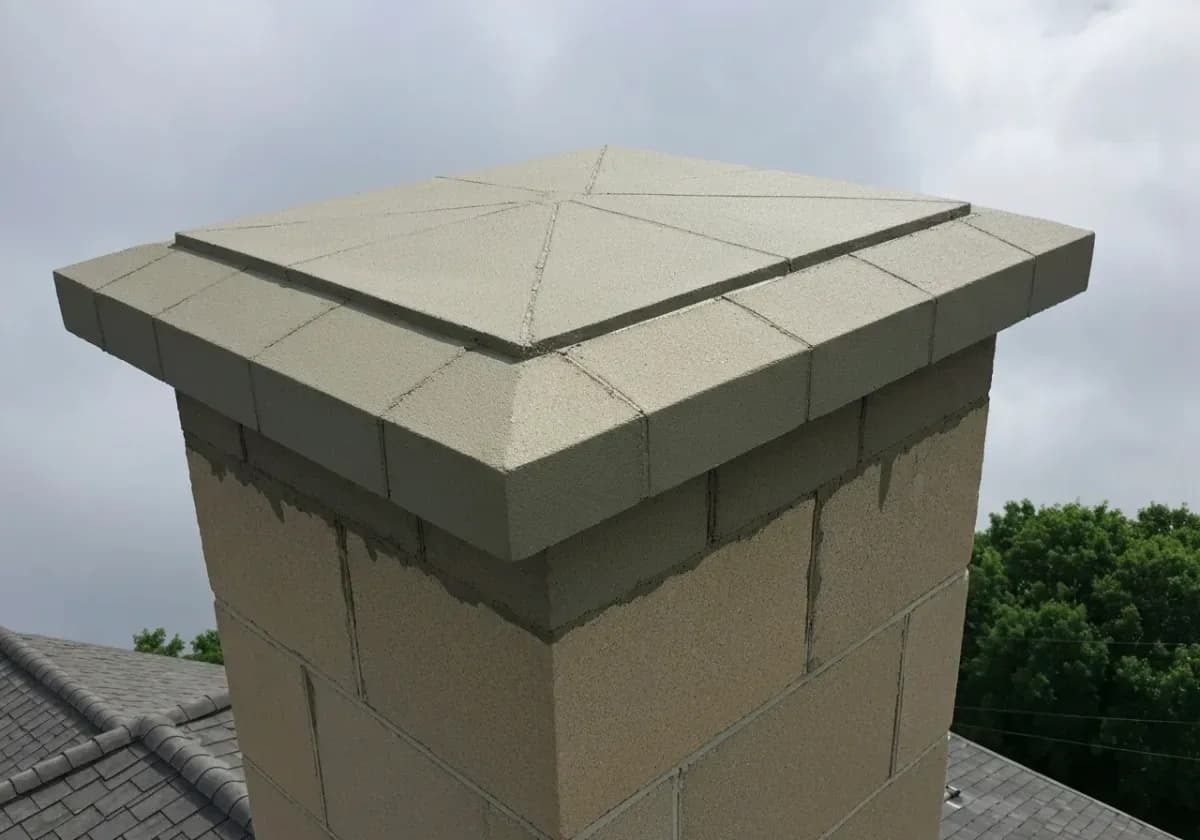 After
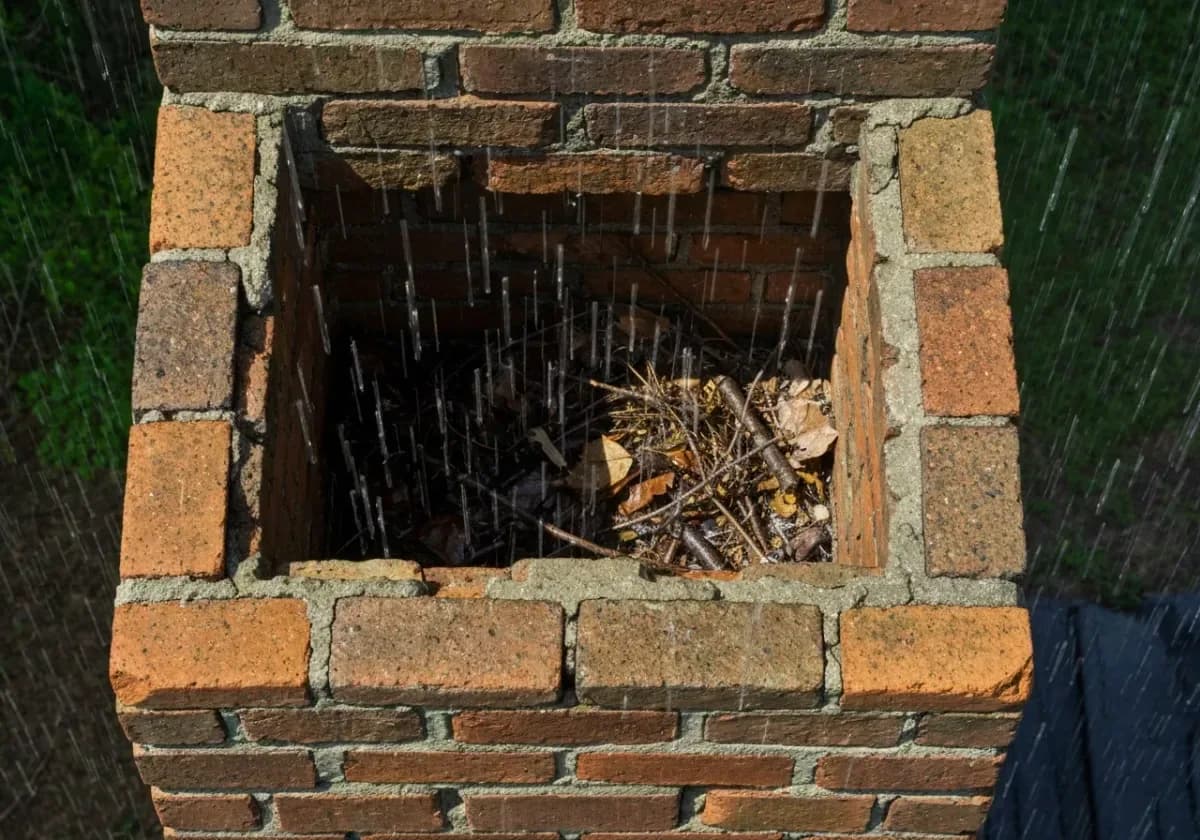 Before
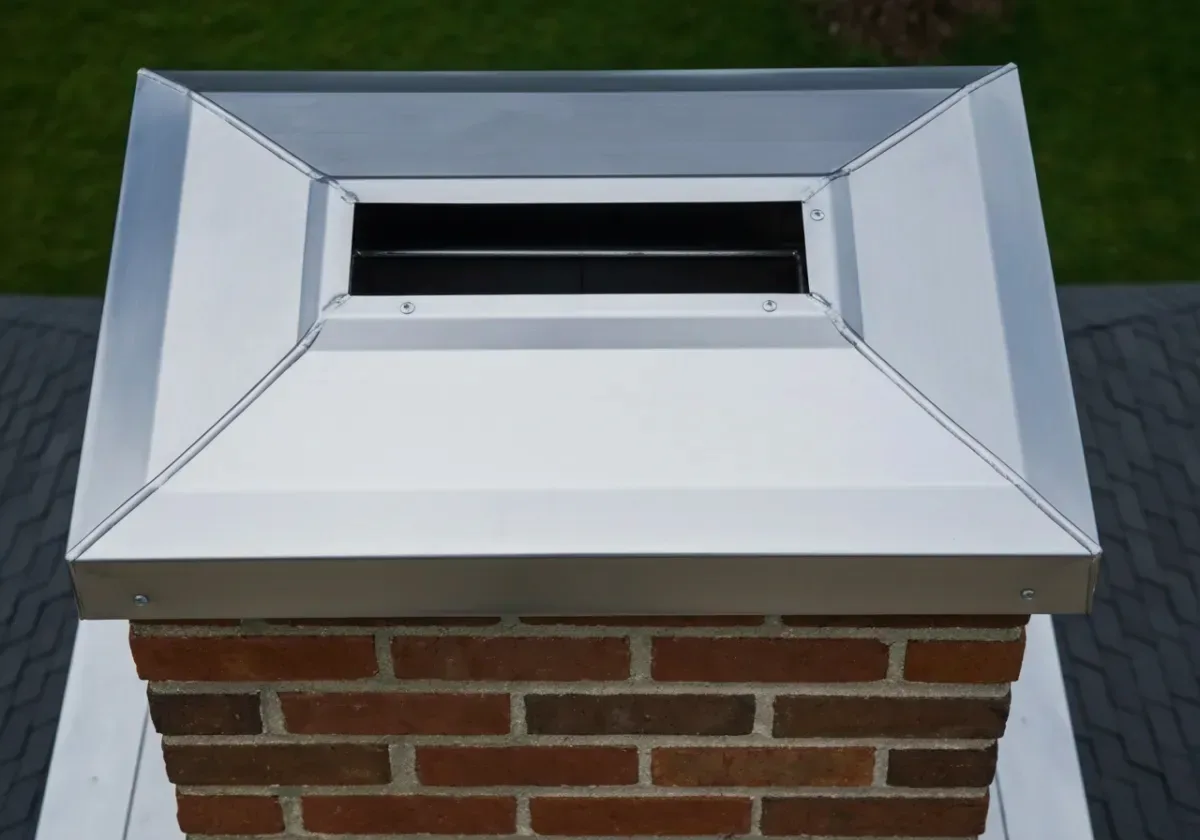 After
Four steps, each one on paper — so you always know what happens next.
Choose a genuine opening on the crew's calendar. Confirmation is immediate.
Liner, crown, cap, flashing and masonry examined in order — each finding photographed.
One document, plain numbers, covering only the work your chimney genuinely needs.
The repair is completed, then handed over with before-and-after photos of every item.
A sweep handles ordinary soot. Removal is for the hardened or tarry stages that a standard brush slides over, and it takes other tools and sometimes several visits.
Not safely. Chains and scrapers aggressive enough to break glaze also break clay tiles. Chemical softening first is slower and spares the liner.
Use wood split and dried for at least a season, keep the air control open so flames stay lively, and never bank a fire to smolder overnight. A hot, clean fire leaves little behind.
A $99 on-site inspection, a written quote before any work, and photos of every item we touch.