Delridge, King County
Removing creosote from a Delridge flue starts at $245. Thickness matters less to the bill than what sort of buildup lines the flue. Dry, flaky creosote comes off with brushes much like heavy soot. Sticky, tar-like buildup needs rotary tools and more passes. Hard, shiny glaze that has baked onto the flue wall is the slowest of all and sometimes needs a chemical treatment applied over several fires before it can be broken loose. A camera look at the start tells us which stage we are dealing with, and the quote follows from that.
Typical investment
From $245
Book an inspection
Book your $99 inspection
$99 plus tax, deducted when you approve the repair
Not sure where to start
Pick what you're seeing at your Delridge home — we'll point you to the right fix.
What we do
The same crew, the same written quote — for Delridge homes.
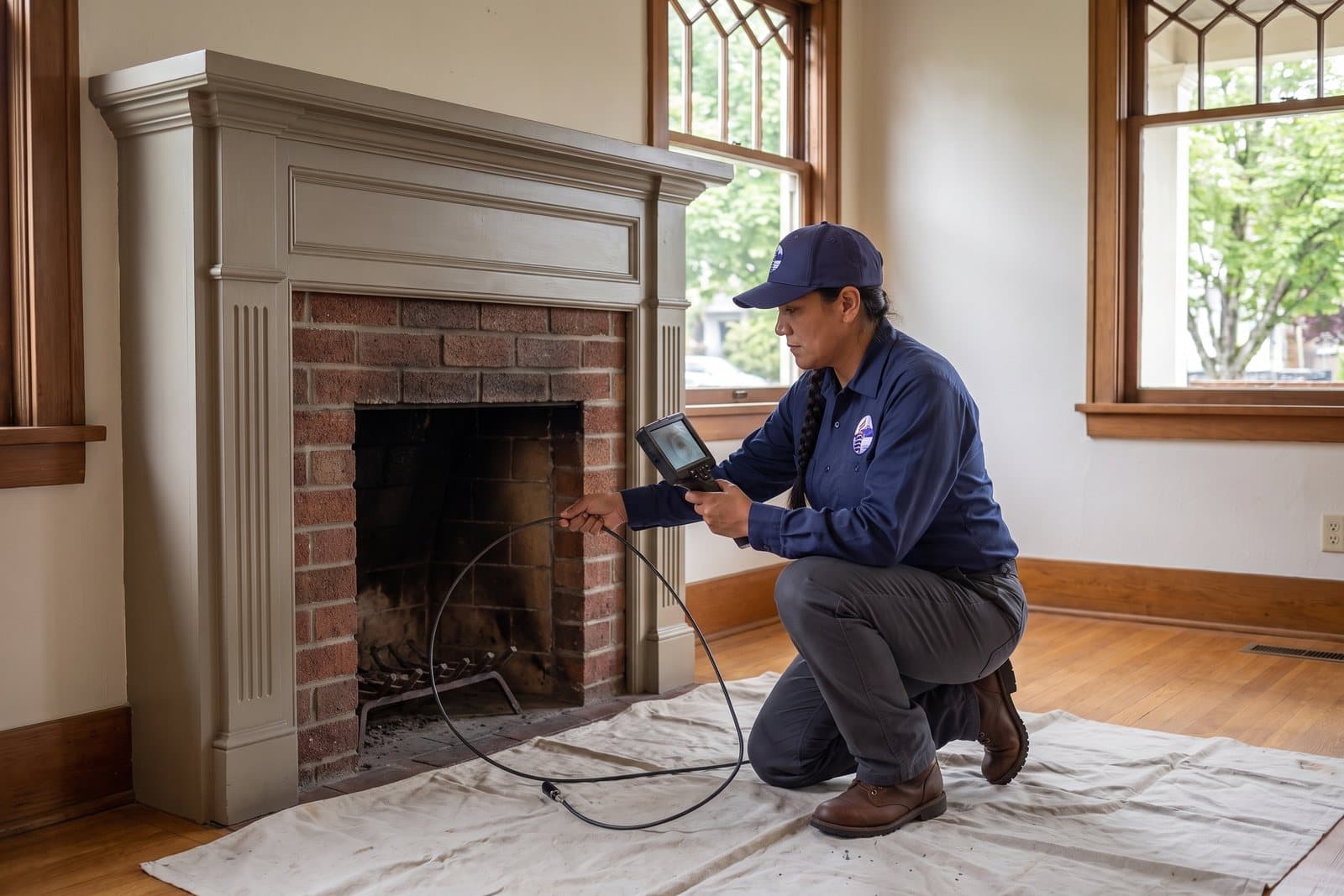
Level 1 examination of everything reachable, with a Level 2 camera pass when the reachable parts leave a question open
Learn more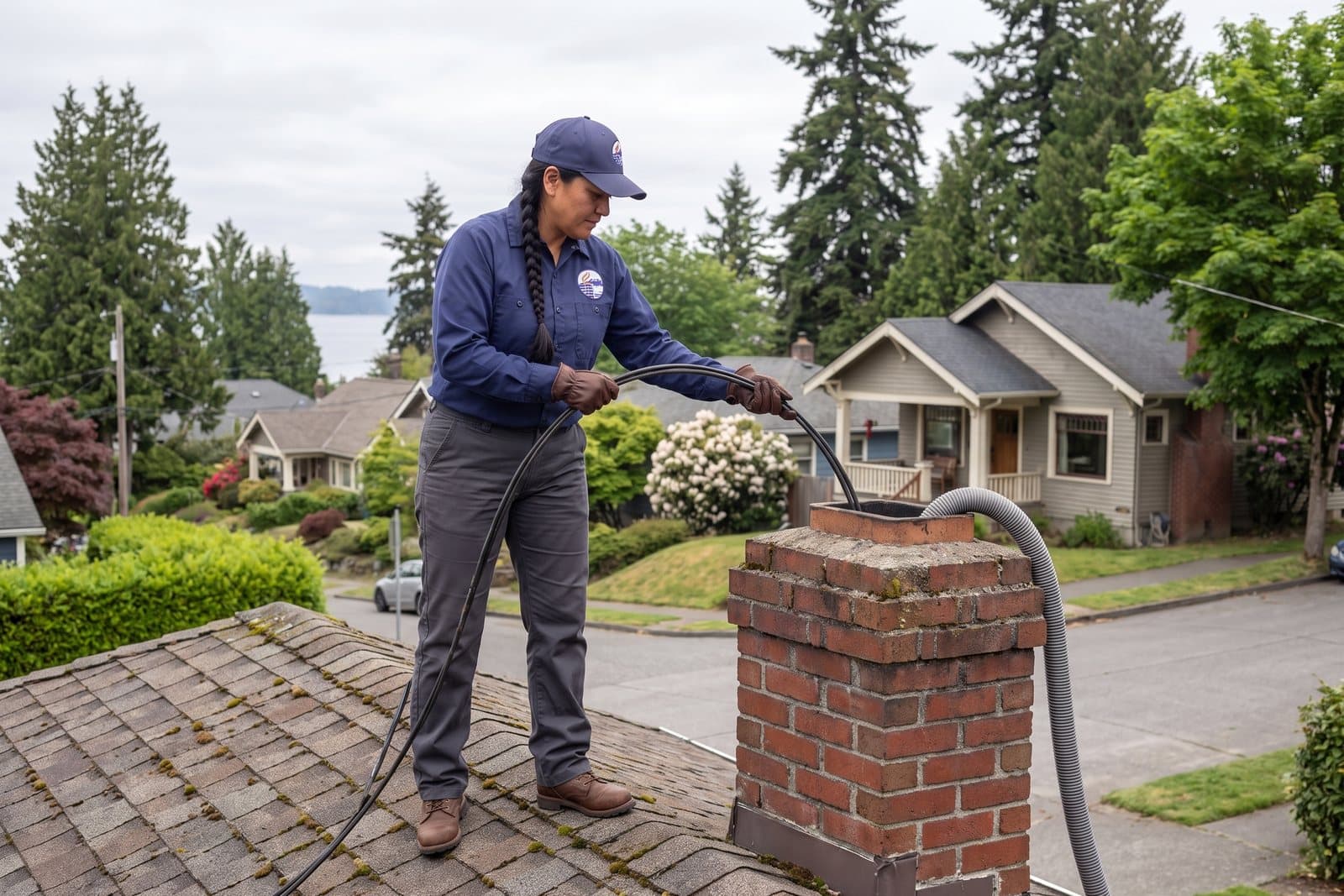
Full-height brushing of the flue with a head sized to its shape and material
Learn more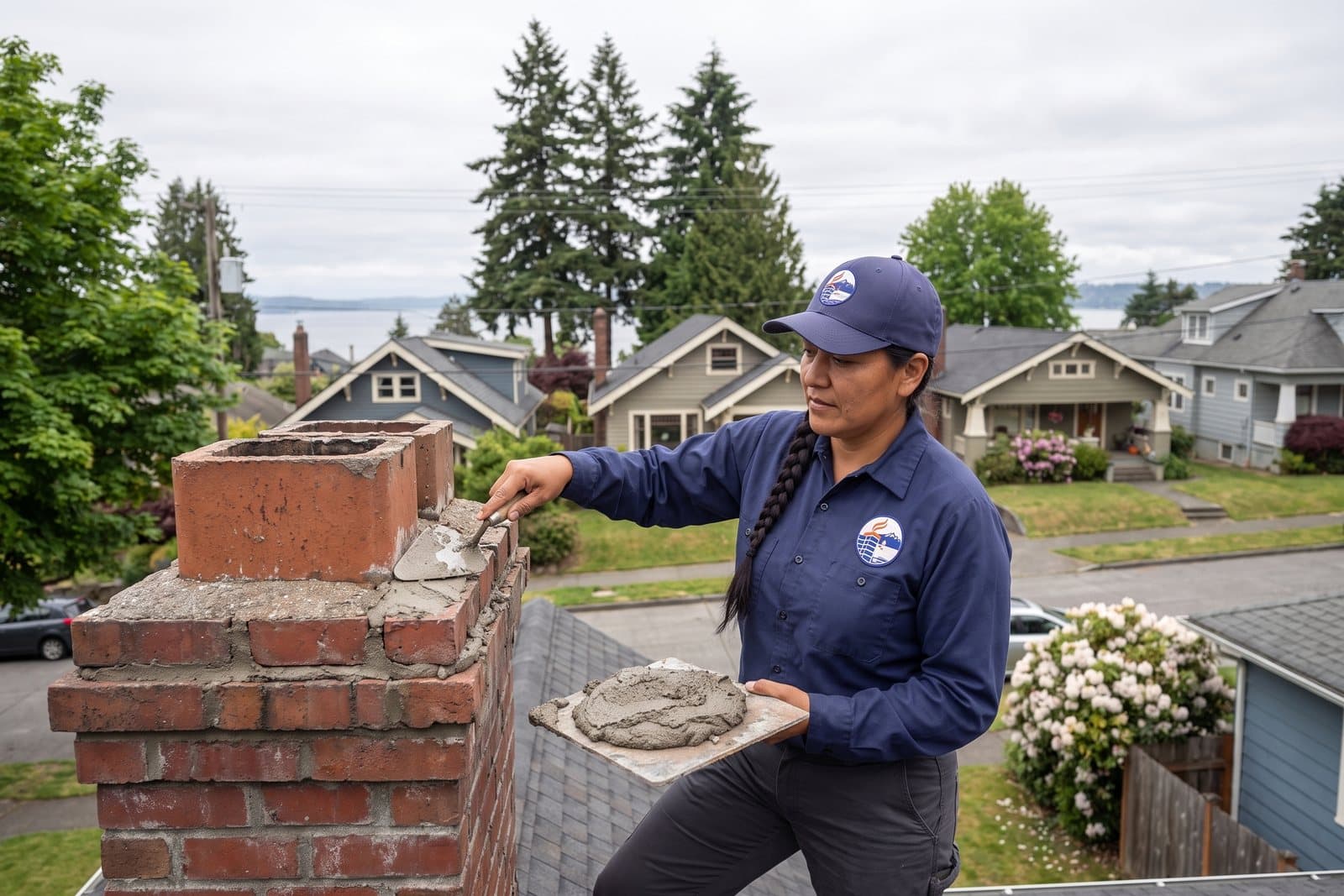
Assessment of the stack from roofline to crown, with a photo of each defect
Learn more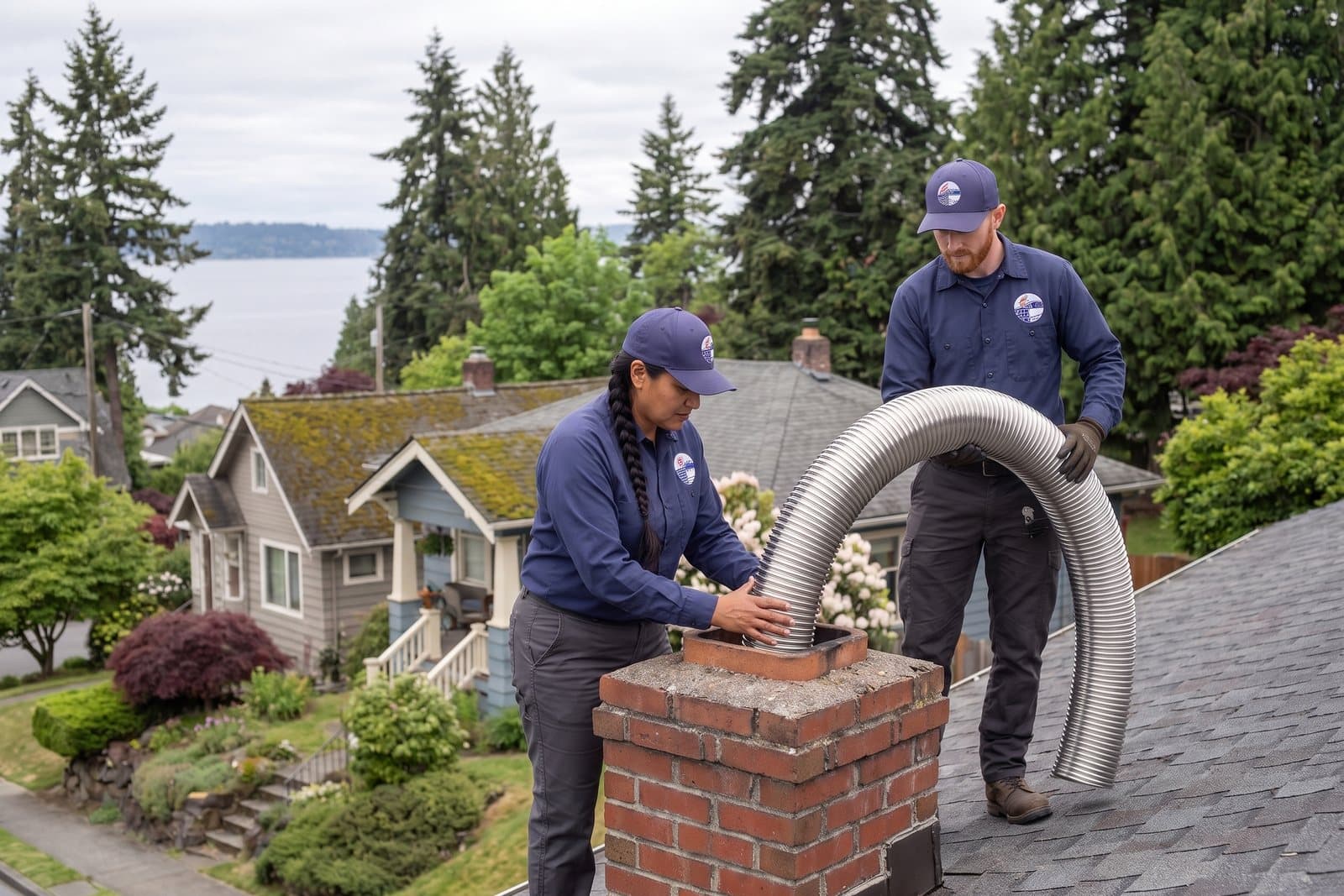
Camera survey and measurement of the existing flue before anything is ordered
Learn more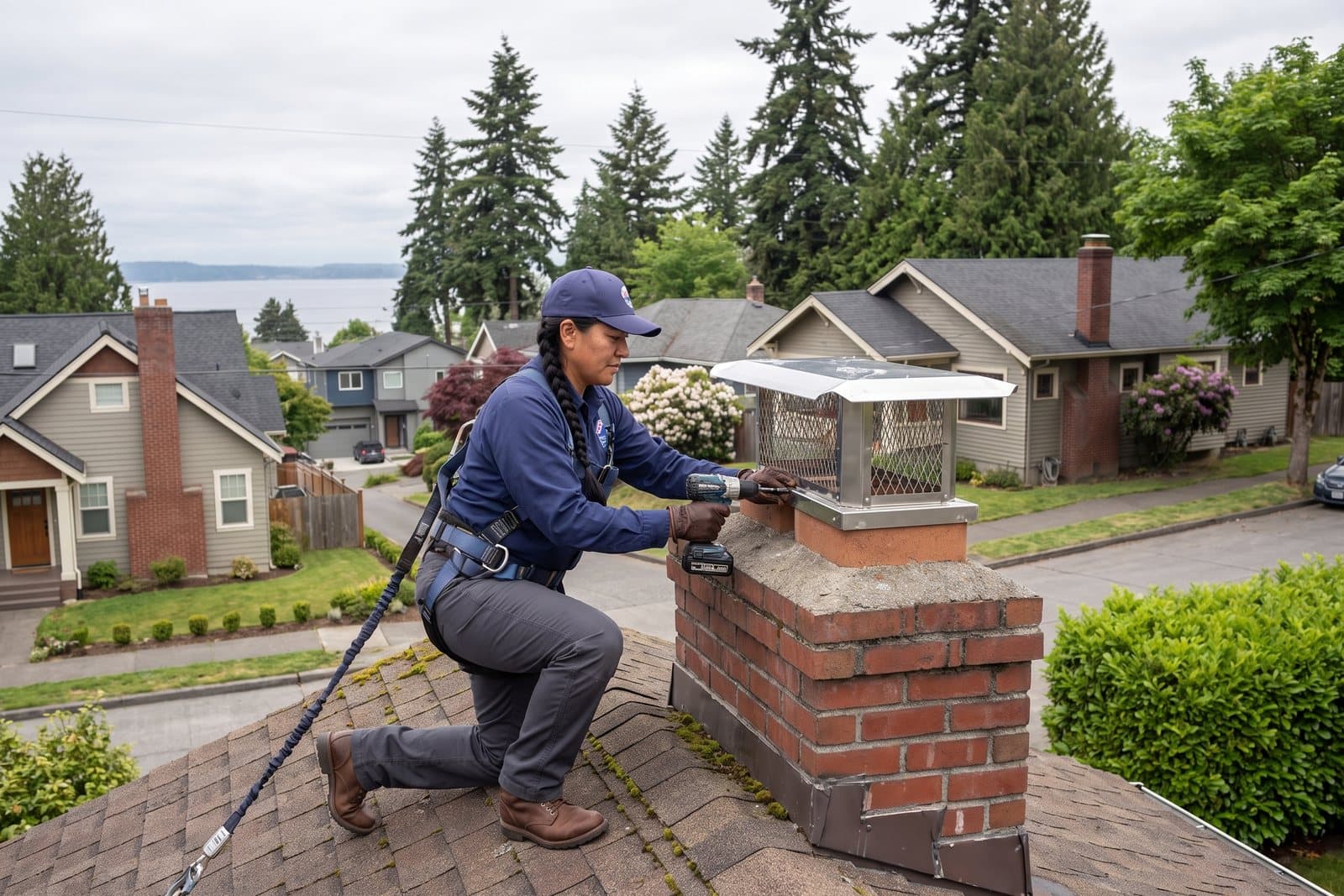
Measurement of each flue tile, or of the whole crown for a multi-flue cap
Learn more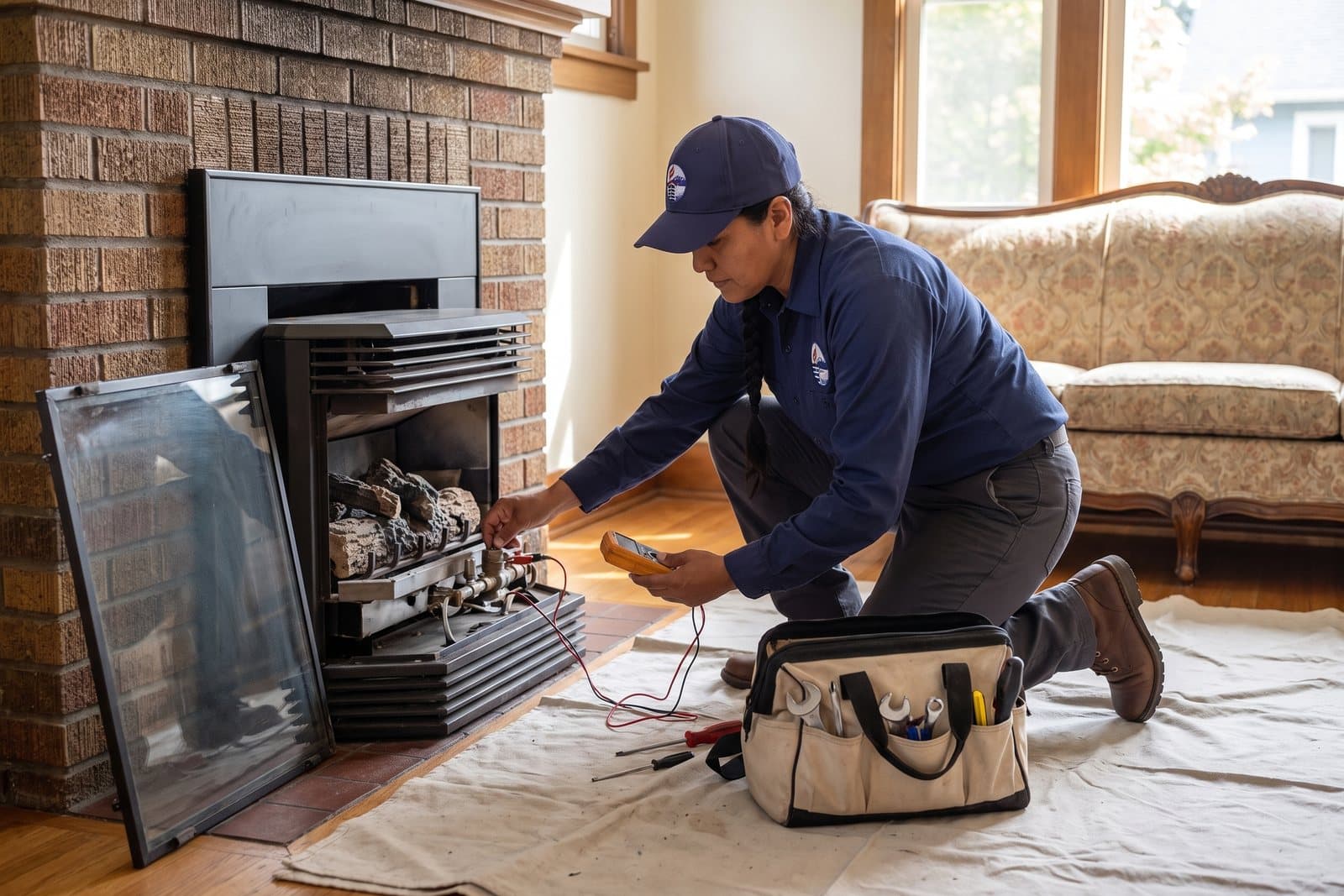
Burner, pilot assembly and firebox cleaned; logs or media put back in the layout the manual shows
Learn moreRanges shown for orientation — the exact figure is written up on-site, after the inspection.
Creosote is unburned wood fuel that condenses on a cool flue wall. Three conditions make it build quickly: wet wood, a fire kept low and smoldering, and a flue that runs cold, either because it is oversized for the appliance or because it loses heat to the outside. Every one of these is common where wood burning is occasional, and in the Delridge area it is occasional. Fires lit for comfort on a damp evening, with wood that sat outside under a tarp, deposit far more than their few hours would suggest.
WeatherSpark's Seattle numbers show how lopsided the year is: roughly 7.5 inches of rain in November against well under an inch in July, with a wetter season that lasts from early October to the end of April. Firewood cut or bought in autumn and stored outdoors in a creek valley spends that whole season absorbing moisture from the air, even under cover.
Regional air rules already speak to this. In its plain-language page on wood-burning law, the regional Clean Air Agency allows only two fuels in a home fire: manufactured logs and seasoned, dry wood. Green or rain-soaked splits break that rule and also smolder, so their water and tar end up coating the flue. Wood split and stacked off the ground in spring, covered on top but open on the sides, is ready by the next fall.
Every creosote removal we do in Delridge includes:
Smoke coming back into the room, or a smell that won't go? Book the inspection first.
Book nowGlazed creosote is the stage that worries us. Think of it as concentrated fuel fused onto the liner, and once glaze ignites, the heat can split tile and overheat the framing next to the chimney. If we find glaze, we photograph it, take off whatever comes away without harming the tile, and say plainly whether the flue should be used before a follow-up. We never seal it under a liner without addressing it, and we do not use a flue for a test fire until it is clean.
Footage tells us flaky, tarry or glazed, plus the height where the buildup stops.
Brushes for flakes, rotary heads for tar, and for glaze either careful rotary work or a treatment that softens it over a few fires.
Loosened material is drawn into the vacuum at the hearth, and the smoke shelf and connector are emptied.
Filming the cleaned flue reveals any tile damage that the deposits were hiding, and both sets of images are yours.
Across the Census postal zone that contains Delridge, the estimate for households heating mainly with wood is very small, with a margin of error wider than the figure. The survey asks only for the main fuel, so it misses fireplaces and stoves used now and then. That occasional use is the pattern that tends to build creosote, because fires are short and flues seldom get fully hot.
The appliance matters too. Washington's Department of Ecology sets particle limits for new equipment: a 7.5 gram-per-hour ceiling for factory-built fireplaces and tighter caps for wood and pellet stoves. Masonry fireplaces built on site carry no limit at all, while any stove lacking certification cannot legally be sold here. A stove from before those limits, still connected to a postwar flue, generally burns dirtier and leaves more deposit than a certified one.
What this work is quoted at for Delridge homes — the exact figure comes from the $99 on-site inspection, credited toward the work.
| Service | Price in Delridge | What that covers |
|---|---|---|
| Creosote Removal | From $245 | Priced by creosote stage — glazed stage 3 is the heavy end |
| Chimney Sweep | $189–$449 | Full flue swept, Level 1 inspection included |
| Chimney Inspection | $99 plus tax | Level 1 visual; Level 2 adds a full camera scan |
| Chimney Relining | From $1,900 | Full-length stainless liner, sized to the appliance |
| Chimney Repair | From $425 | Masonry repair — brick and mortar, scoped after diagnosis |
Ranges are what these jobs are quoted at in Delridge. The exact figure is set on site after a $99 inspection (credited toward the job if you go ahead), and you approve it before any work starts.
Delridge is a valley neighborhood between the two ridges of West Seattle, on Longfellow Creek, with homes of mixed ages, about a fifth of those in its ZIP code area from the 1940s and 1950s and nearly a third built since 2000. We work every part of it — Pigeon Point, Youngstown, Cottage Grove, Puget Ridge, Riverview included.
DelridgeKing County, WA · 47.547, -122.362
Before and after
Illustrations of what each repair changes on a typical chimney — not photos of a specific job.
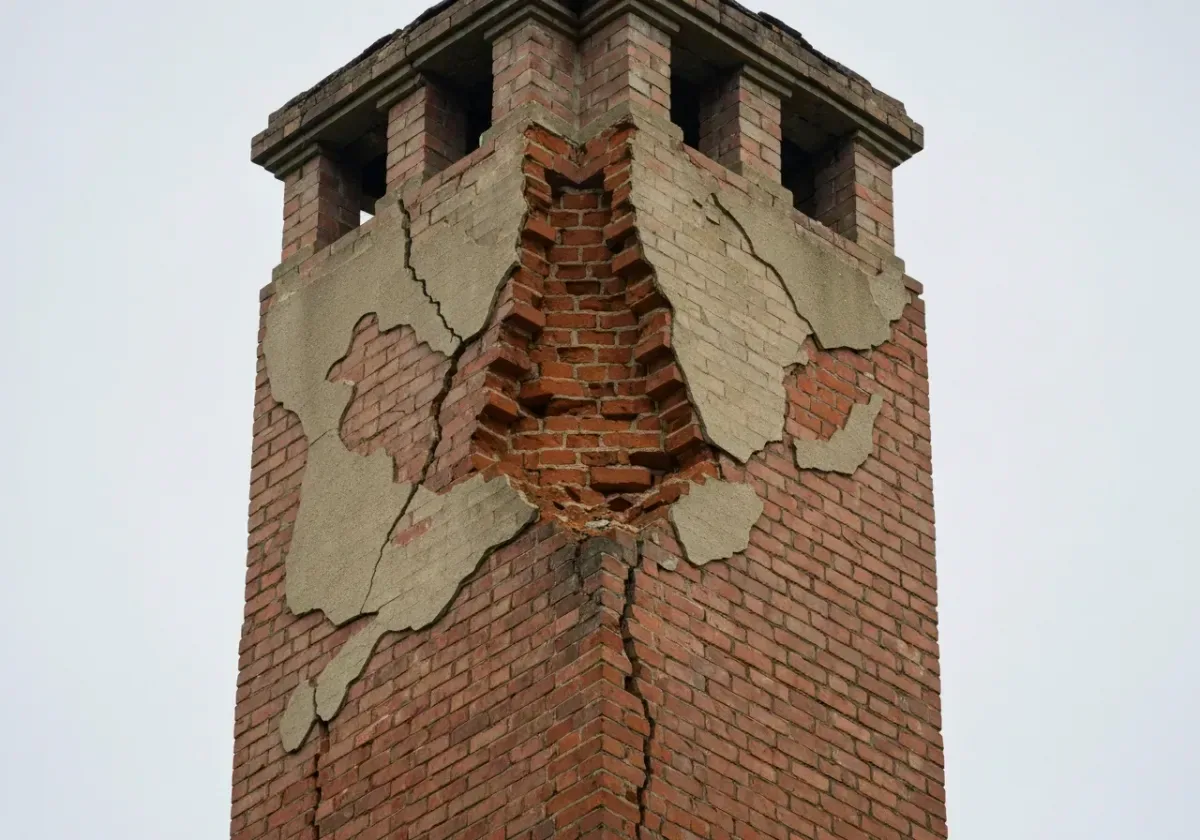 Before
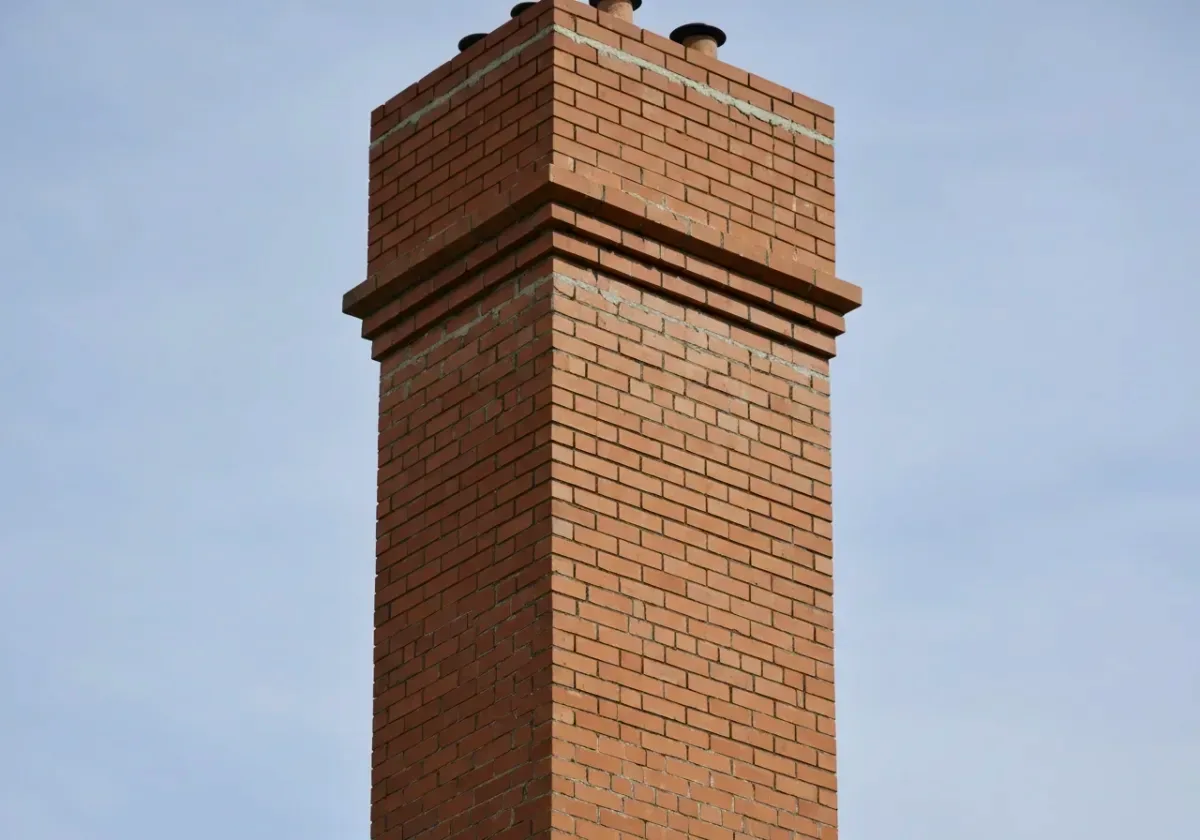 After
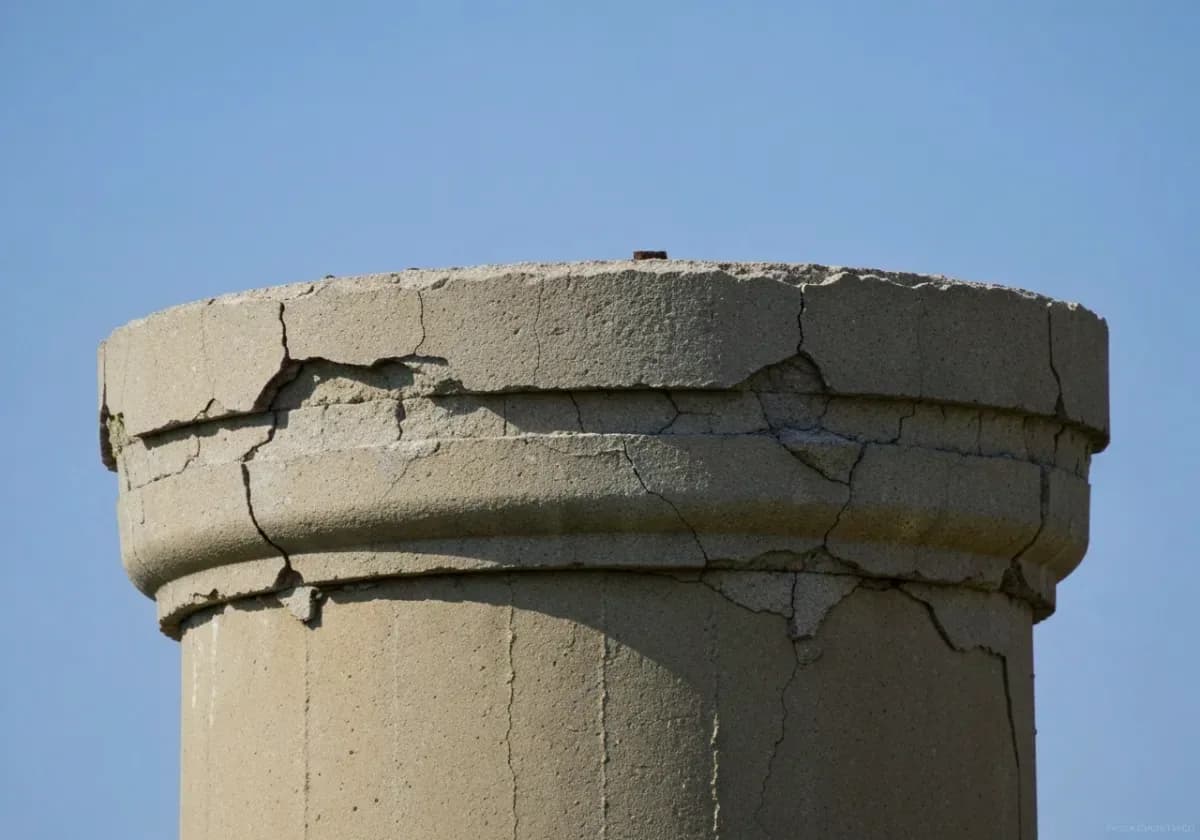 Before
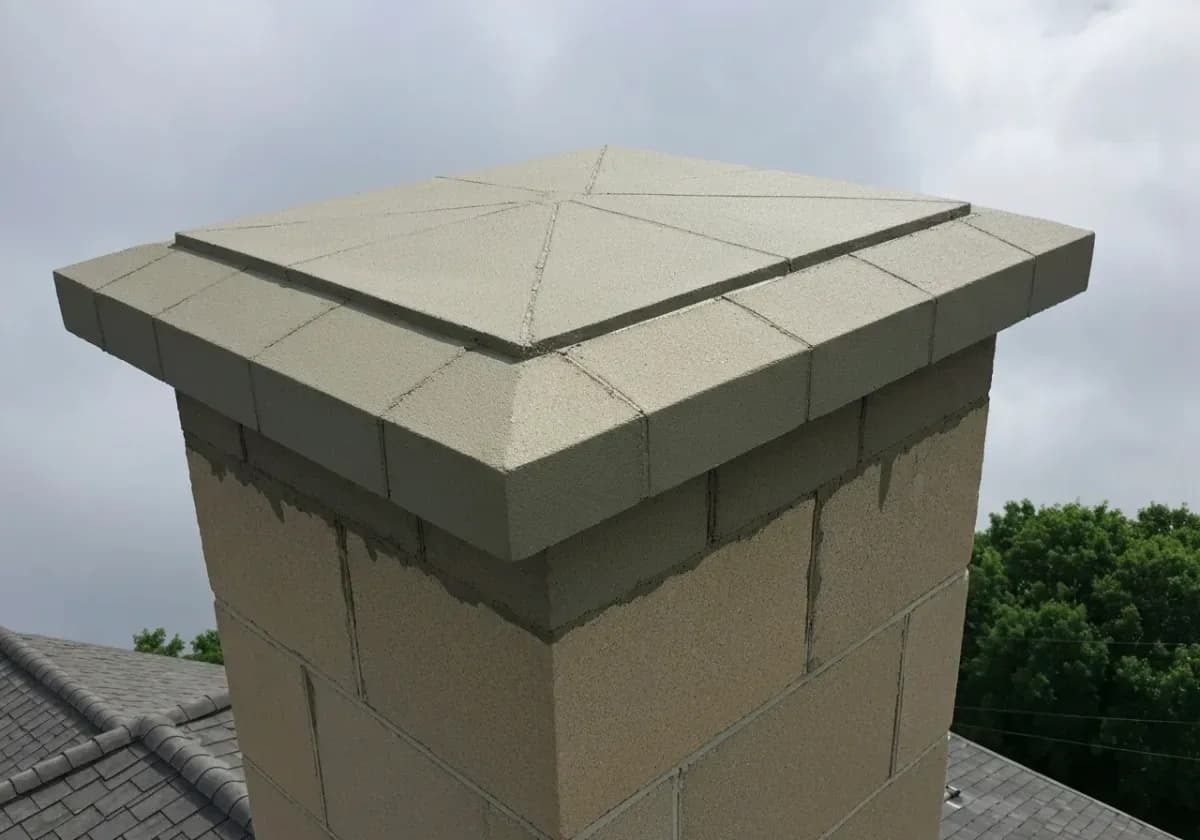 After
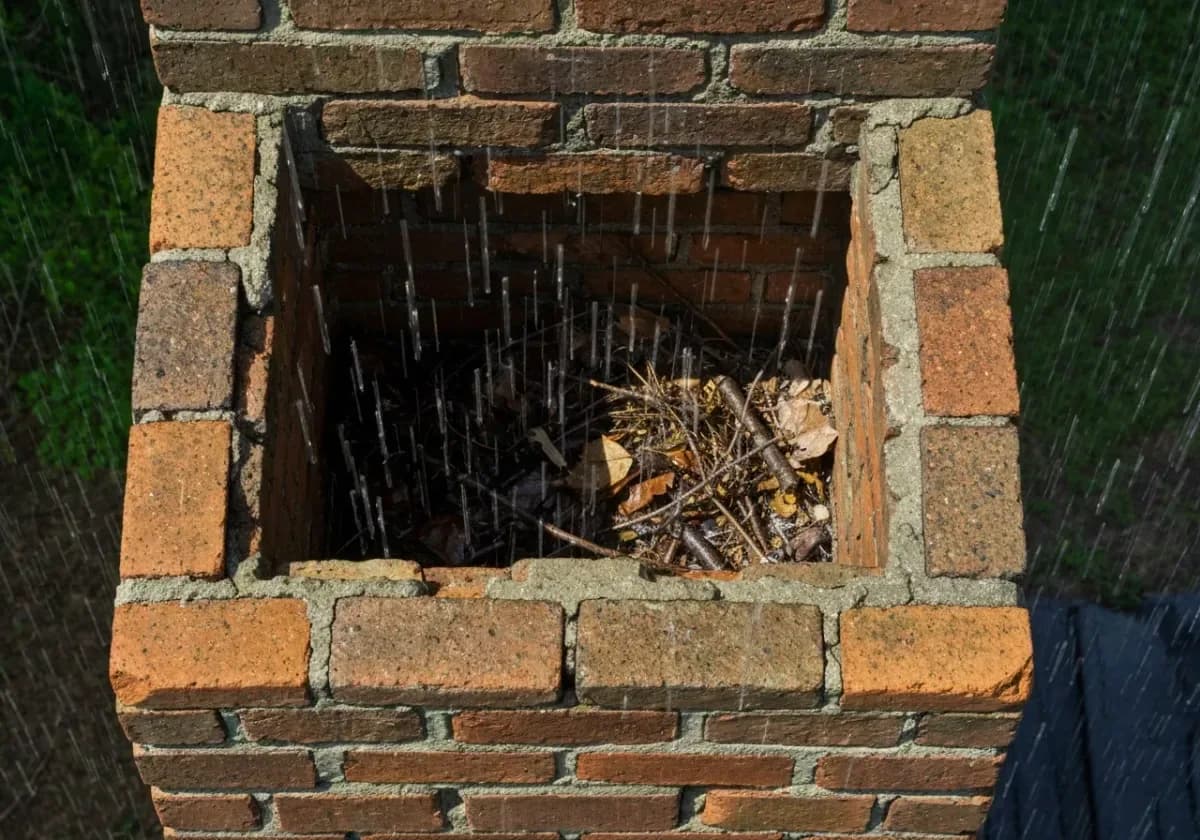 Before
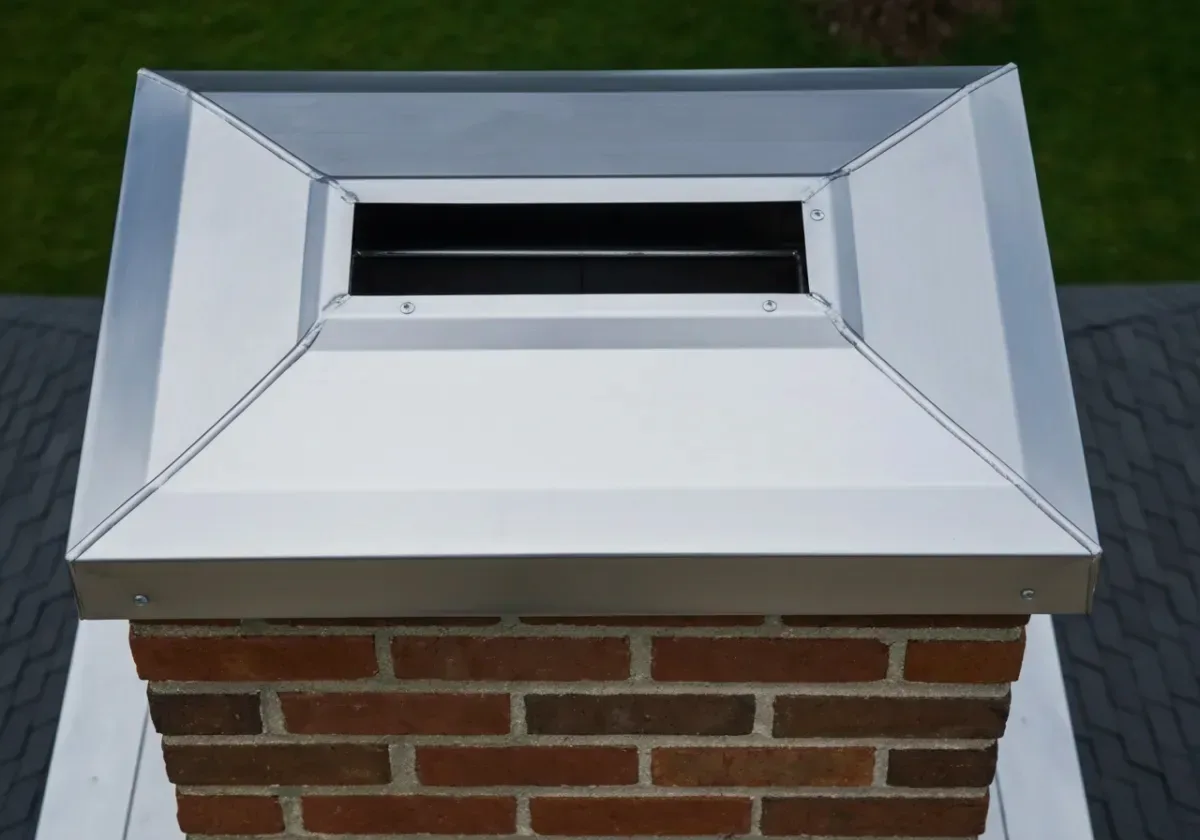 After
Four steps, each one on paper — so you always know what happens next.
Choose a genuine opening on the crew's calendar. Confirmation is immediate.
Liner, crown, cap, flashing and masonry examined in order — each finding photographed.
One document, plain numbers, covering only the work your chimney genuinely needs.
The repair is completed, then handed over with before-and-after photos of every item.
Please do not. That is how chimney fires start. Deposits should be removed mechanically or treated, not burned out.
They can loosen some light deposits, but they do not remove them and they are no substitute for a sweep and a look at the flue.
Puffed creosote and cracked tile are the usual evidence. Our $99 plus tax inspection checks for both, and that sum is subtracted from a repair you go ahead with.
A $99 on-site inspection, a written quote before any work, and photos of every item we touch.